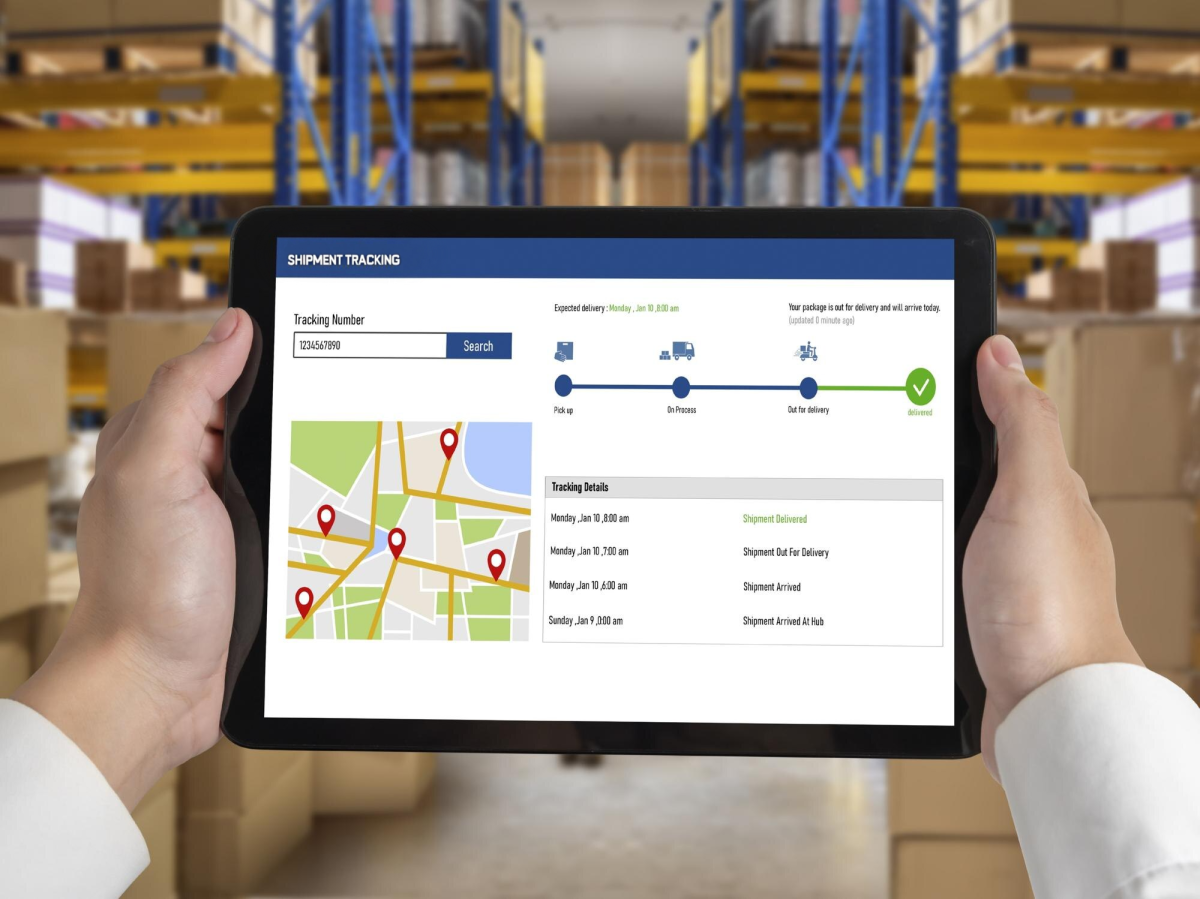
Navigating public safety data across the state requires a centralized system that cuts through administrative red tape. For residents, employers, and law enforcement agencies, the Michigan Department of Corrections provides a public lookup portal known as the Offender Tracking Information System, or OTIS. This digital database allows anyone to search for felony offenders who are currently under state supervision or who have recently completed their sentences.
Understanding how to navigate this tool effectively helps communities stay informed and empowers individuals to perform background due diligence. Whether you're checking neighborhood safety or verifying historical court data, knowing the scope and limits of this system ensures you find accurate information without running into dead ends.
What is the Michigan OTIS Database?
The Offender Tracking Information System is an online public database maintained by state authorities to track individuals who fall under specific jurisdictional categories. It includes active prisoners housed in correctional facilities, individuals on parole, and those serving terms of probation. Furthermore, the platform retains records for individuals who have been discharged from supervision within a three-year window.
Public access to this registry promotes transparency. It gives residents a direct line to official records without requiring formal requests through local law enforcement offices. However, it's not a catch-all registry for every minor municipal infraction or misdemeanor. The database specifically focuses on felony-level offenses handled at the state level.
Who Appears in the OTIS Search System?
Not every criminal record in the state lands in this specific registry. Knowing who appears in the system prevents confusion when a search yields no results.
- Active Prisoners: Individuals currently serving time inside a Michigan state correctional facility.
- Parolees: Offenders who have been released from prison early to serve the remainder of their sentence under community supervision.
- Probationers: Individuals sentenced by a court to community supervision instead of incarceration, overseen by state agents.
- Recently Discharged Individuals: Past offenders whose files remain visible for three years following their official discharge date.
If an individual was convicted of a misdemeanor, handled strictly through local district courts, or sentenced under specific statutes that shield certain records from public disclosure, they won't show up here. Federal convictions and out-of-state records also remain completely outside the scope of this platform.
Step-by-Step Guide to Performing an Offender Search
Running a query on the platform doesn't require technical expertise, but using specific parameters yields the cleanest results. Follow these steps to execute an effective search:
- Navigate to the official Michigan OTIS Portal hosted on the state domain.
- Enter known details into the search fields. You can search by entering a last name, first name, or specific MDOC number if you have one.
- Apply filters if necessary, such as race, sex, or current status, to narrow down common names.
- Review the search results list, which displays matching profiles along with basic physical identifiers and tracking numbers.
- Click on an individual profile to view detailed information regarding their convictions, sentence lengths, and current facility location.
If you don't get immediate results, try broadening your spelling or dropping the first name to catch alternative aliases or partial name matches.
Understanding Search Results and Limitations
When you pull up an offender profile, you'll see specific data points, including sentence dates, offense descriptions, and supervising office locations. Yet, the system has strict boundaries. It's designed for tracking and informational awareness, not as an official certified background check for employment or housing.
Official background screening usually requires fingerprint-based checks through the Michigan State Police to catch local misdemeanors and sealed files that state correction databases omit. Relying solely on a public web lookup for high-stakes decisions can leave critical gaps in your assessment.
Common Mistakes to Avoid
Users often misuse tracking portals because they misunderstand state record jurisdictions. Keep these pitfalls in mind:
- Confusing county jails with state prisons: If someone was arrested yesterday, they're likely held in a local county jail rather than a state facility, meaning they won't appear on state tracking systems immediately.
- Ignoring the three-year window: Expecting to find records for someone released a decade ago will yield nothing, as older files drop off the active public interface.
- Treating data as infallible: Clerical errors happen. Always cross-reference critical findings with official court documents if legal or financial stakes are high.
Frequently Asked Questions
Does the system show mugshots for every offender?
Not necessarily. While many profiles include physical descriptions and photographs, older records or specific custody statuses might lack updated images.
Is there a fee to use the lookup tool?
No, searching the database is entirely free for the public since it's maintained as an open government resource funded by state taxes.
What should I do if I spot incorrect information?
If you find a discrepancy in a record, you must contact the Michigan Department of Corrections records office directly to report the administrative error for review.
Can I set up notifications for status changes?
The state portal itself doesn't always provide real-time personal alerts, but victims can utilize services like Michigan VINELink to track custody updates and release dates.


