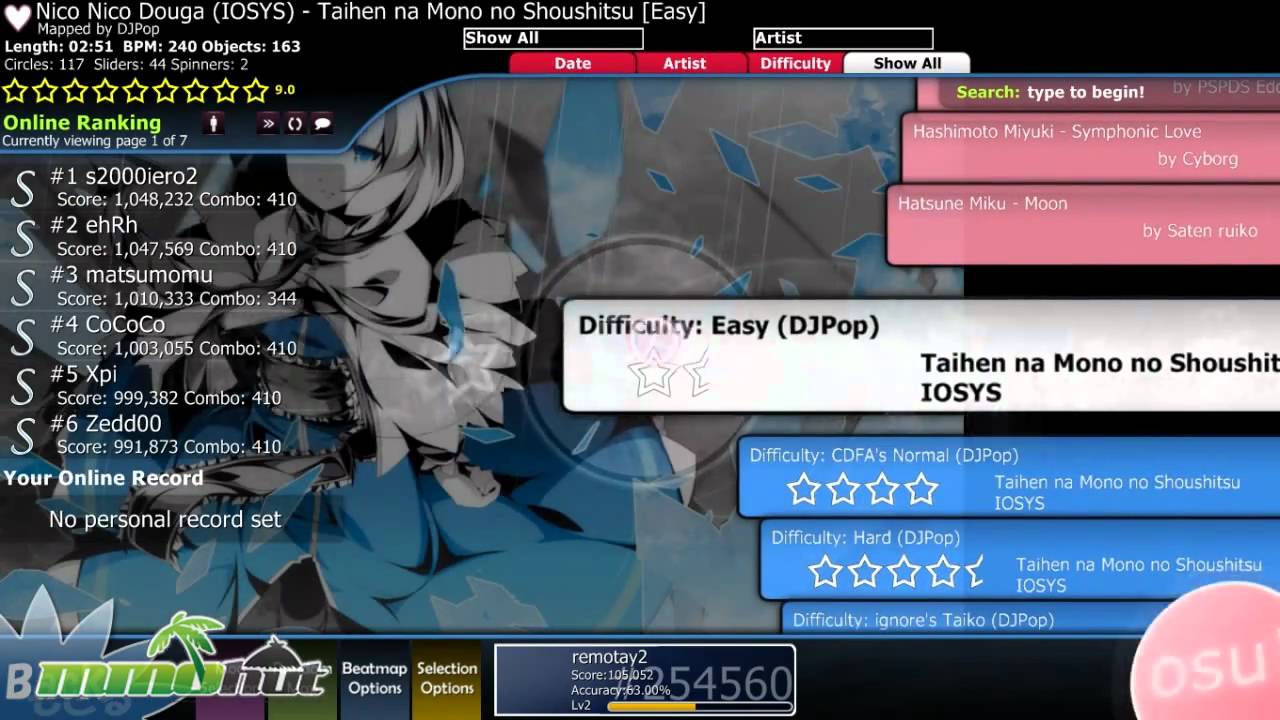
Mastering digital workflows requires precision, speed, and the elimination of redundant software switching. For rhythm game enthusiasts and productivity specialists utilizing the osu! ecosystem, configuring interface extensions effectively transforms how daily tasks or custom beatmap practice sessions are managed. By streamlining your digital workspace, you reduce friction and execute repetitive operations with minimal effort.
This guide breaks down professional strategies to configure interface setups, maximize custom scripts, and organize your environment for peak operational efficiency. Whether you're managing complex digital asset pipelines or refining high-speed inputs, these techniques ensure your workflow runs without lag.
Optimizing Your Interface Layout
A cluttered workspace slows down execution time. When managing intensive operational environments, every visual element on your screen dictates how fast you process information and react.
- Streamline visual clutter: Remove non-essential UI overlays, decorative themes, or high-contrast backgrounds that drain cognitive focus. Keep your workspace minimal so critical indicators remain instantly visible.
- Prioritize high-frequency modules: Place your most frequently accessed operational panels near the center of your field of view to minimize mouse travel distance.
- Establish consistent color coding: Assign distinct visual markers to different operational states, such as active processing, standby, or error warnings, to gauge system status at a glance.
Customizing Key Bindings and Input Responsibilities
Input latency and awkward hand positioning introduce micro-delays that compound over hours of work. Treating your input devices with the same precision as competitive esports athletes ensures maximum mechanical efficiency. As reported in detailed reports by Reuters, the effects are notable.
+-------------------------------------------------------+
|                Input Optimization Flow                |
|                                                       |
|  1. Audit current key layout for repetitive strain    |
|  2. Map high-frequency actions to primary fingers     |
|  3. Test response curves and actuation thresholds     |
+-------------------------------------------------------+
Assigning secondary actions to auxiliary mouse buttons or macro pads keeps your primary hand free for precise navigation. If you're working within software environments that support modular extensions, map quick-toggle switches to keyboard shortcuts that require zero hand relocation.
- Audit physical ergonomics: Ensure your wrist angle remains neutral to prevent fatigue during extended operation blocks.
- Calibrate sensitivity curves: Fine-tune your input scaling so that micro-adjustments feel natural, preventing over-correction during high-speed tasks.
Scripting and Automated Routine Execution
Manual repetition is the enemy of productivity. Building small, targeted automation sequences allows you to bypass tedious multi-step procedures entirely.
Instead of navigating through nested menus to execute recurring tasks, write lightweight configuration profiles or scripts that load your preferred state instantly. For instance, you can bundle interface scaling preferences, audio routing configurations, and plugin states into a single startup macro. This approach guarantees consistency across different operational sessions and eliminates human error during setup.
Mitigating Common Performance Bottlenecks
Even the most optimized workflows encounter friction if underlying hardware or software configurations conflict. Recognizing these bottlenecks early saves hours of troubleshooting.
- Resource bloat: Running too many background monitoring utilities can introduce micro-stutters or input lag. Audit your active background processes regularly.
- Over-customization traps: Modifying too many interface parameters at once makes it difficult to isolate the source of unexpected behavior. Make adjustments incrementally.
- Inconsistent environment profiles: Relying on unique local settings that don't transfer to alternative machines creates friction when you need to work elsewhere. Keep your core configuration files backed up on cloud storage or portable drives.
You can learn more about digital tool management practices through resources provided by Digitaldefend or explore software workflow frameworks via TechTarget.
Frequently Asked Questions
What causes input stutter when using custom interface tools?
Input stutter typically stems from hardware resource contention or conflicting background overlays. Disabling unnecessary real-time monitoring plugins and updating your graphics drivers usually resolves the issue.
How often should I back up my custom configuration profiles?
You should back up your configuration files whenever you make major adjustments to your layout or shortcuts. Storing copies in a secure cloud directory ensures you never lose hours of personalization work.
Can I transfer my custom setup to a different machine?
Yes, most modular toolsets store preferences in localized configuration files. Copying these specific data directories to your secondary machine replicates your exact workspace environment.
What is the best way to handle software updates without losing custom layouts?
Always export or duplicate your profile directory before initiating major software patches. This gives you a clean restore point if an update resets default parameters.



