Understanding how water moves across semi-permeable membranes is one of the core hurdles in high school and introductory college biology. When students flip over their lab sheets to tackle the second half of an assignment, they often encounter complex scenarios involving hypertonic, hypotonic, and isotonic environments that require careful analytical thinking rather than simple memorization.
Solving these problems correctly depends on recognizing concentration gradients and predicting how animal and plant cells will react when placed in different fluid environments. Below, we break down the mechanics behind typical backside problems, walk through common problem types step-by-step, and clarify the exact physiological rules governing cellular water balance.
The Core Principles of Osmosis
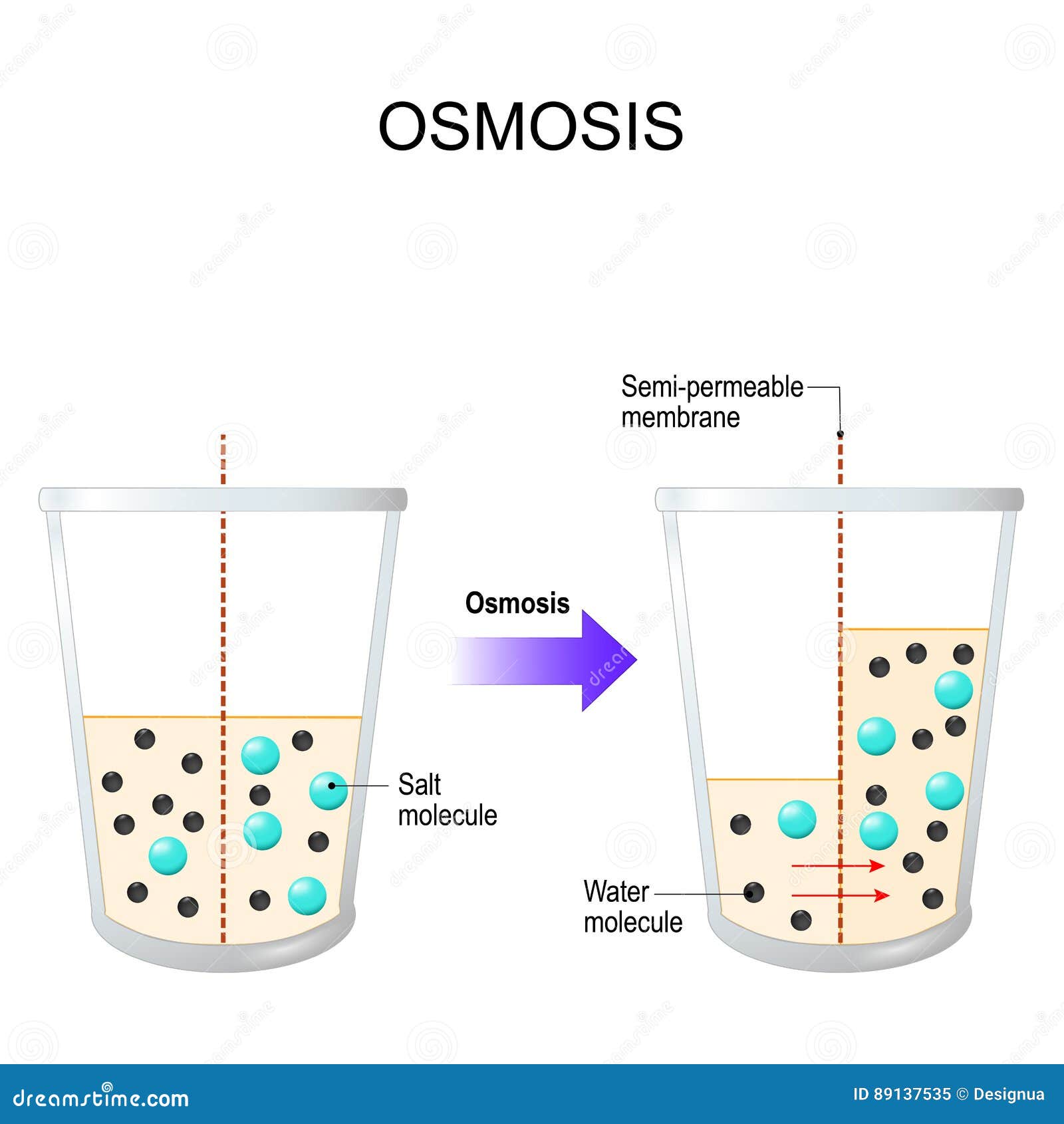
Osmosis is the passive movement of water molecules across a selectively permeable membrane from an area of lower solute concentration to an area of higher solute concentration. Water moves to achieve equilibrium, diluting the side with more solutes.
When tackling advanced worksheet problems, you'll encounter three primary tonicity states:
- Hypotonic solutions: The solution outside the cell has a lower concentration of solutes compared to the inside. Water rushes into the cell.
- Hypertonic solutions: The solution outside has a higher concentration of solutes than the inside. Water flows out of the cell.
- Isotonic solutions: Solute concentrations are equal inside and out, resulting in a dynamic equilibrium where water enters and leaves at equal rates.
According to the National Center for Biotechnology Information, maintaining this precise osmotic balance is critical for cellular homeostasis across all living tissues.
Decoding Backside Worksheet Scenarios
The backside of a biology worksheet usually moves away from basic definitions and presents applied scenarios, such as dialysis tubing experiments, plant cell placement in salt water, or U-tube apparatus problems.
Dialysis Tubing and Artificial Membranes
Many assignments use dialysis tubing as a model cell membrane because it is permeable to water but impermeable to large solutes like starch or sucrose.
- The Setup: A bag filled with a 10 percent glucose solution is submerged in a beaker of pure distilled water.
- The Question: Which way does the water move, and what happens to the mass of the bag?
- The Solution: Water moves from the beaker (0 percent solute) into the bag (10 percent solute). Because water enters the bag, the total mass of the dialysis bag increases over time.
Plant vs. Animal Cell Responses
A frequent trap on the backside of these assignments involves contrasting how red blood cells and plant cells react to extreme environments.
- In Hypotonic Solutions: Animal cells (like red blood cells) will swell and eventually burst, a process called lysis, because they lack rigid cell walls. Plant cells absorb water until internal pressure—known as turgor pressure—pushes the plasma membrane against the cell wall. The cell becomes firm and healthy, which is its normal, preferred state.
- In Hypertonic Solutions: Animal cells shrivel up in a process called crenation. Plant cells undergo plasmolysis, where the cell membrane pulls away from the cell wall as water leaves the central vacuole, causing the plant to wilt.
Step-by-Step Problem-Solving Method
When you're stuck on a multi-step transport problem, don't guess. Follow a structured problem-solving sequence to isolate the variables:
- Identify the two compartments: Determine what is inside the "cell" (or dialysis bag) and what is in the surrounding environment (beaker or extracellular fluid).
- Compare solute percentages: Write down the solute concentration for both sides. Remember that solute plus solvent (water) always equals 100 percent. If a solution is 5 percent salt, it is 95 percent water.
- Determine water concentration: Water always moves from the side with a higher percentage of water to the side with a lower percentage of water (which is the same as moving from lower solute to higher solute).
- Predict physical changes: Ask yourself what happens to the container size, weight, or cell shape based on that water direction.
Common Mistakes to Avoid
Students frequently lose points on osmosis assignments due to a few persistent mix-ups:
- Confusing solute and solvent: Remembering that water chases solutes is the easiest way to keep your bearings. Water moves toward the higher concentration of dissolved particles.
- Ignoring membrane permeability: If a solute is small enough to pass through the pores of a membrane (like urea or small ions), it will diffuse down its own concentration gradient alongside osmosis. Always check if the worksheet states a solute can cross the barrier.
- Assuming plant and animal cells behave identically: Always double-check whether the question specifies a plant leaf cell or a human cheek cell before predicting structural damage or turgidity.
For additional interactive practice on membrane transport dynamics, explore the resources provided by the University of Arizona Biology Project.
Frequently Asked Questions
Why do plant cells not burst in pure water?
Plant cells possess a rigid outer cell wall made of cellulose. When water enters a plant cell in a hypotonic environment, the central vacuole fills and creates internal turgor pressure. The rigid wall exerts counter-pressure, stopping any further net water entry before the membrane can rupture.
What is the difference between diffusion and osmosis?
Diffusion is the net movement of any molecules from an area of higher concentration to an area of lower concentration. Osmosis is specifically the diffusion of water molecules across a selectively permeable membrane.
How do freshwater fish survive without bursting?
Freshwater fish live in a hypotonic environment relative to their body fluids. Their kidneys are specially adapted to pump out large volumes of very dilute urine, and their gills actively pump salt ions into their bodies to maintain internal balance.
Can osmosis occur without a membrane?
No. By scientific definition, osmosis requires a differential barrier—a semi-permeable membrane—that restricts the movement of solutes while allowing solvent molecules to pass through.



