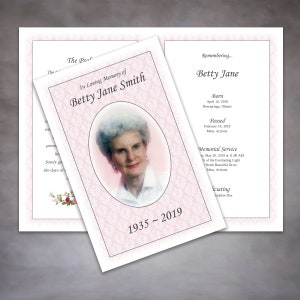
Navigating local Oshkosh obituaries is about more than reading death notices. It means engaging with the fabric of a historic Wisconsin city. Every notice preserves a personal history that helped shape Winnebago County. Local records map generations of families who built businesses, supported schools, and fostered community bonds along the shores of Lake Winnebago.
Understanding where to find accurate notices and how to read them as historical snapshots helps families honor their ancestors properly. Local remembrance notices offer a window into regional heritage, connecting past contributions with current residents.
Where to Find Verified Oshkosh Obituaries
Locating reliable death notices requires knowing which local channels and digital repositories hold verified records. Regional archives and funeral home databases provide the most accurate details for recent passings and historical research alike.
- Local Funeral Home Registries: Establishments like Seefeld Funeral and Cremation Services and Konrad-Behlman Funeral Homes maintain up-to-date online databases for families in the immediate Oshkosh area.
- Regional Newspapers: Publications like the Oshkosh Northwestern serve as the primary traditional print and digital archive for official death notices and life reflections.
- Aggregated Archives: Platforms like Legacy.com pool notices from multiple regional funeral directors, making it easier to search across Winnebago County.
- Historical Society Records: The Oshkosh Public Library and local historical archives hold physical and digital microfilm for genealogy projects dating back over a century.
The Cultural Value of Community Death Notices
Obituaries do more than announce a passing. They function as micro-histories of the community. When a lifelong resident passes, their notice often mentions decades of employment at regional staples like Oshkosh B'Gosh or local manufacturing plants, service in local government, or active membership in neighborhood churches.
These details record the economic and social shifts of the Fox Valley region. They show how everyday people built the infrastructure, schools, and cultural spaces that define the city today. Preserving these stories ensures that future generations understand the human effort behind local development.
How to Research Historical Oshkosh Ancestors
Tracing family roots in Winnebago County requires a systematic approach to archival research. Genealogists often hit walls when looking up records from the late 19th and early 20th centuries.
- Start with Census Data: Cross-reference federal and state census records for Wisconsin to establish approximate dates of death before searching newspaper archives.
- Check Church Records: Many early Oshkosh congregations kept meticulous burial and parish registers that predate modern municipal record-keeping.
- Visit the Local Library: The Oshkosh Public Library houses extensive local history collections, including indexed obituary files managed by local volunteers.
- Utilize State Vital Records: Request official death certificates through the Wisconsin Department of Health Services for formal legal or genealogical verification.
Common Mistakes in Local Genealogy Research
Researchers frequently make avoidable errors when compiling family histories or reading historical notices. Avoiding these pitfalls saves time and prevents factual inaccuracies.
Relying on unverified secondary transcriptions without checking primary source documents often introduces spelling errors or incorrect dates. Name variations are another common hurdle; historical documents frequently misspelled German, Polish, or Irish surnames based on phonetic spellings by census takers or local reporters. Always cross-reference multiple records—such as cemetery markers, church books, and draft cards—to confirm details.
Frequently Asked Questions
How far back do online Oshkosh obituary archives go?
Most modern funeral home websites maintain digital archives going back five to ten years. For deeper historical research, newspaper microfilm repositories at the local library stretch back into the 19th century.
How can I submit a remembrance notice to local Oshkosh papers?
Families typically work directly through their chosen funeral director, who coordinates publication details, service times, and newspaper placements on behalf of the relatives.
Are historical Wisconsin death records public information?
Yes, vital records older than a specific threshold are generally open for public genealogy research through state and county archives, though restrictions apply to very recent confidential files.
What details should be included when writing a modern tribute?
A complete tribute typically highlights surviving family members, career milestones, community involvement, military service, and details regarding memorial services or charitable donations in lieu of flowers.



