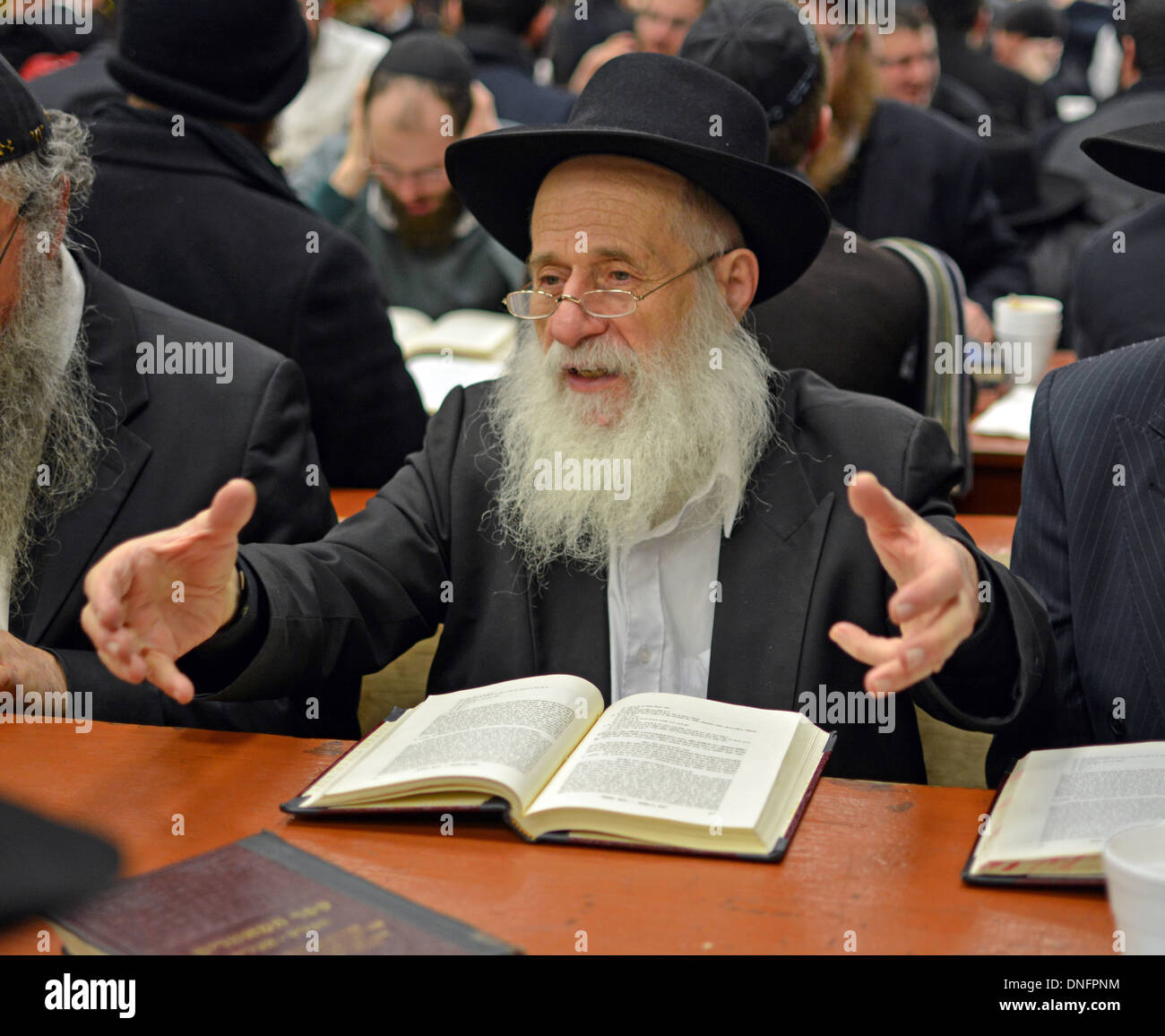
Discussions surrounding diversity within the Orthodox Jewish community often polarize observers between strict traditionalism and modern inclusivity. Navigating these dynamics requires understanding how insular religious networks balance ancient legal frameworks with contemporary social realities. Rather than depicting monolithic resistance or sweeping reform, examining everyday communal life reveals a complex negotiation of identity, education, and leadership.
Traditional Orthodox frameworks prioritize halakhah, or Jewish law, as the ultimate binding authority for daily conduct, communal standards, and lifecycle events. This commitment creates strong intergenerational continuity, but it can also foster insularity. Critics outside the tradition often view this adherence as rigid exclusion, whereas insiders frequently experience it as a protective boundary that preserves centuries of heritage against the pressures of assimilation.
Internal conversations about inclusion don't typically manifest as sudden rebellions against tradition. Instead, they happen quietly inside day schools, community boards, and rabbinical councils. Advocates for broader engagement argue that ignoring demographic shifts or varied personal backgrounds alienates younger members. Meanwhile, traditionalists caution that loosening established norms risks eroding the spiritual distinctiveness that defines Orthodox life.
Educational Institutions and Communal Integration
Jewish day schools and yeshivas serve as the primary socialization hubs for the Orthodox world. Historically, these institutions maintained uniform curricula and strict behavioral codes to ensure ideological alignment. Today, educators face the challenge of supporting students from diverse backgrounds, including baalei teshuva (newly observant individuals), converts, and families from varying cultural origins. To understand the complete picture, check out the detailed article by The New York Times.
Integrating these groups requires more than superficial programming. Schools have begun adapting support systems to help newcomers navigate complex liturgical languages, textual traditions, and unwritten social rules.
- Curriculum Adaptation: Teachers incorporate nuanced discussions on Jewish history that reflect global Sephardic, Ashkenazi, and Mizrahi experiences.
- Mentorship Programs: Established families pair with newer members to demystify holiday hosting, kosher logistics, and synagogue etiquette.
- Faculty Diversity: Hiring educators from varied backgrounds ensures students see lived examples of multi-faceted Orthodox identities.
Despite these adjustments, tensions remain. Some administrators worry that tailoring programs too broadly dilutes the rigorous baseline expected of traditional students. Balancing institutional consistency with individual empathy remains a delicate administrative tightrope.
Women's Leadership and Communal Roles
The scope of women's participation in religious, educational, and administrative spheres represents one of the most actively debated topics in modern Orthodox circles. While traditional gender roles assign distinct responsibilities within the home and public worship, contemporary needs have catalyzed new avenues for female leadership.
Women now serve extensively as community educators, program directors, and high-level legal advisors known as yoatzot halakhah, who guide families on matters of ritual purity and Jewish law. These roles require intensive mastery of classical texts, a domain once restricted almost exclusively to men.
- Advanced Scholarship: Institutions in North America and Israel now offer multi-year fellowship programs for women training in advanced Talmudic and legal analysis.
- Administrative Governance: Synagogue boards increasingly include women in executive decision-making, shifting away from purely auxiliary committee structures.
- Pastoral Care: Female chaplains and educators provide critical support in hospitals, universities, and community centers, bridging gaps that traditional male clergy might not reach.
Skeptics within the right-leaning segments of the community argue that these shifts mimic secular feminist movements rather than organic halakhic development. Proponents counter that elevating women's Torah scholarship deepens communal engagement and honors the historical contributions of Jewish women throughout history. You can read more about broader religious demographic trends through organizations like the Pew Research Center.
Balancing Heritage and Modern Pressures
The survival of any traditional subculture depends on its ability to transmit values to the next generation without losing relevance. In an era defined by digital connectivity and globalized values, isolated communities face unprecedented external exposure.
Young adults raised in Orthodox enclaves frequently encounter pluralistic viewpoints through higher education, professional environments, and media consumption. When these individuals return to their communities, they often ask probing questions about mental health stigma, socioeconomic disparities, and the treatment of marginalized members.
Addressing these inquiries transparently helps prevent alienation. Communities that foster safe environments for difficult conversations tend to retain their membership more effectively than those that rely on censorship or dismissal.
Common Misconceptions About Orthodox Inclusivity
External media coverage frequently mischaracterizes the internal mechanics of traditional religious groups. Recognizing these errors helps paint a more accurate picture of daily life.
- The Myth of Monolithic Thought: Observers often assume all community members share identical political, social, and religious views. In reality, fierce internal debates occur daily over education, philanthropy, and communal priorities.
- Complete Isolation: While physical neighborhoods may feel insular, modern Orthodox professionals engage deeply with the broader secular economy, medicine, law, and technology sectors.
- Resistance to All Change: Legal development in Judaism has a multi-millennial history of adaptation through responsa literature. Change happens slowly and deliberately, but it does happen.
Frequently Asked Questions
What defines the Orthodox Jewish community?
Orthodox Judaism is characterized by a binding commitment to halakhah, the traditional system of Jewish law derived from the Torah and rabbinic interpretation. While sharing this foundational baseline, the community comprises diverse sub-groups, including Modern Orthodox, Hasidic, and Yeshivish communities, each with distinct cultural customs.
How are newcomers integrated into traditional synagogues?
Integration typically occurs through community hospitality, Shabbat meals, and mentorship programs coordinated by local rabbis and welcoming committees. Many synagogues assign host families to help visitors or new members navigate services and local logistics.
Are women allowed to study advanced Jewish law?
Yes. Over the past few decades, numerous institutions have emerged dedicated to high-level Torah and Talmud study for women, with some graduates certifying as halakhic advisors and educators.
How do traditional communities handle differing personal lifestyles?
Communities manage differing lifestyles through a spectrum of approaches, ranging from strict institutional exclusion in more conservative enclaves to active pastoral outreach and localized inclusion programs in modern settings. Academic insights on these sociological shifts are regularly published by institutions like Brandeis University.



