Navigating Orlando means understanding that postal codes map far more than mail routes—they define distinct cultural corridors, residential enclaves, and commercial hubs. If you're looking for an Orlando post code, you're likely trying to pinpoint a specific neighborhood, verify a shipping address, or analyze local real estate. Orlando proper features dozens of unique postal zones managed by the United States Postal Service, spanning major commercial districts, historic communities, and sprawling master-planned developments.
The city's postal grid primarily falls under the 328xx prefix range within Orange County, though some fringe areas extend into surrounding counties. Recognizing how these zones are distributed saves time whether you're sending a package, booking a vacation rental, or relocating to central Florida. Let's break down how the system works and where each major zone leads.
Understanding Orlando Postal Layouts
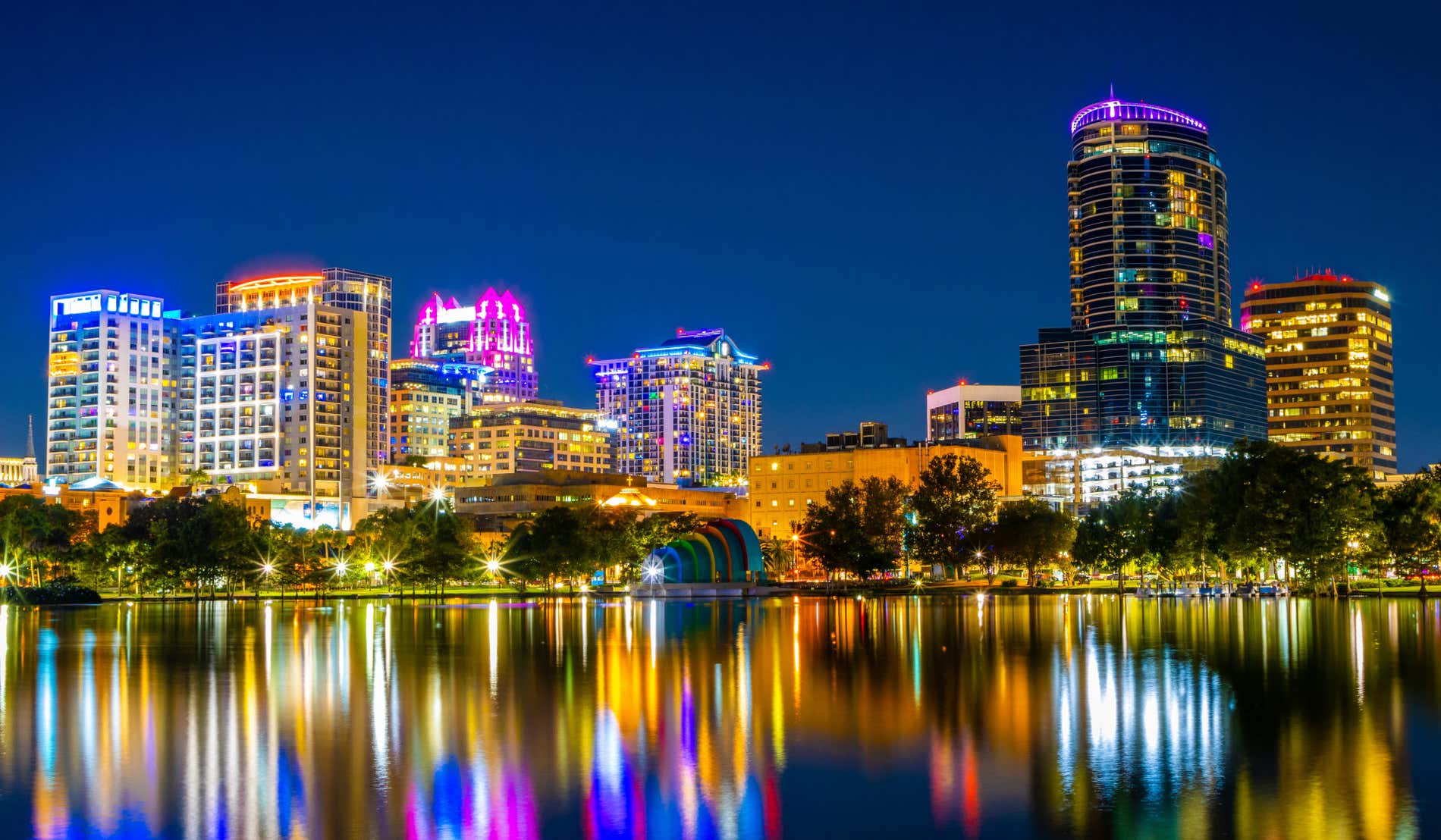
The core municipal area utilizes postal zones starting with 328, moving outward from the historic downtown commercial district. For example, 32801 covers the dense high-rises and business blocks surrounding Lake Eola, while adjacent zones radiate into residential suburbs.
Unlike cities with rigid grid layouts, Orlando's postal zones evolved alongside rapid post-war expansion and massive tourism development. That means a single zip code might encompass a major theme park resort, an industrial park, and quiet residential cul-de-sacs all at once. Knowing the exact boundary helps you avoid common logistical headaches with delivery services and ride-share pickups.
Core Urban and Historic Zones
Downtown and its immediate historic ring form the social and cultural heartbeat of central Florida. These areas feature higher walkability, older housing stock, and dense commercial corridors.
- 32801 (Downtown & Lake Eola): Serves as the central business district, featuring high-rise residential towers, government offices, and entertainment venues like the Kia Center.
- 32803 (Mills 50 & Colonialtown): Blends mid-century bungalows with a thriving indie arts scene, local eateries, and a dense concentration of local businesses.
- 32804 (College Park): Located just northwest of downtown, this leafy neighborhood features brick streets, local boutiques along Edgewater Drive, and historic single-family homes.
- 32806 (Delaney Park & South Orange): A historic residential neighborhood sitting just south of the central business district, popular for its proximity to major medical centers.
Suburban Enclaves and Family Neighborhoods
Moving outward from the center, residential development scales up dramatically. These zones house the majority of local families and feature a mix of master-planned communities and commercial strip centers.
- 32814 (Baldwin Park): Built on the former site of the Orlando Naval Training Center, this neo-traditional planned community emphasizes walkability, parks, and lakeside village centers.
- 32819 (Dr. Phillips & Bay Hill): Anchored by Restaurant Row on Sand Lake Road and luxury golf communities, this zone sits immediately east of the major theme park corridors.
- 32827 (Lake Nona): Home to Medical City, this southeastern tech and innovation hub represents one of the fastest-growing master-planned communities in the country.
- 32835 (MetroWest): A large residential and commercial suburban district featuring apartment complexes, golf courses, and multi-family developments near Kirkman Road.
Tourism and Commercial Corridors
Because Orlando's economy relies heavily on hospitality, several postal codes are designated specifically for major commercial zones, entertainment complexes, and high-volume shipping areas.
- 32830 (Walt Disney World Resort): A specialized postal zone that covers the vast property footprint of the resort area, managing high volumes of commercial and hospitality mail.
- 32836 (Lake Buena Vista): Encompasses areas adjacent to theme parks, major resort hotels, and retail centers like Disney Springs.
- 32822 (Airport & Conway): Covers the territory surrounding the Orlando International Airport (MCO), housing numerous logistics warehouses, rental car hubs, and airport hotels.
Common Mistakes When Addressing Mail in Orlando
Shipping errors in central Florida usually happen due to overlapping municipal boundaries. Many neighborhoods carry an Orlando mailing address even though they are technically governed by unincorporated Orange County or separate municipalities like Winter Park or Windermere.
Always verify the county and zip code combination using the official USPS Lookup Tool before dispatching important parcels. Relying solely on the city name can lead to misrouted deliveries, as postal workers depend primarily on the numerical code rather than the municipality text.
Frequently Asked Questions
How many zip codes are in Orlando?
Orlando proper features roughly 30 residential and standard postal codes, though the broader metropolitan statistical area encompasses over 60 distinct zones spreading into Seminole, Osceola, and Lake counties.
Why do some Orlando codes start with 327 instead of 328?
Codes starting with 327 generally designate surrounding suburban municipalities—such as Winter Park, Altamonte Springs, and Maitland—that share the greater metropolitan telephone and economic footprint but maintain separate postal routing.
What is the zip code for downtown Orlando?
The primary downtown core and business district is 32801, which covers Lake Eola Park and the immediate high-rise commercial zone.
Are postal codes the same as area codes?
No. Postal codes are five-digit numbers used for mail sorting and delivery, while telephone area codes (such as 407, 321, and 689) govern regional telecommunications routing.



