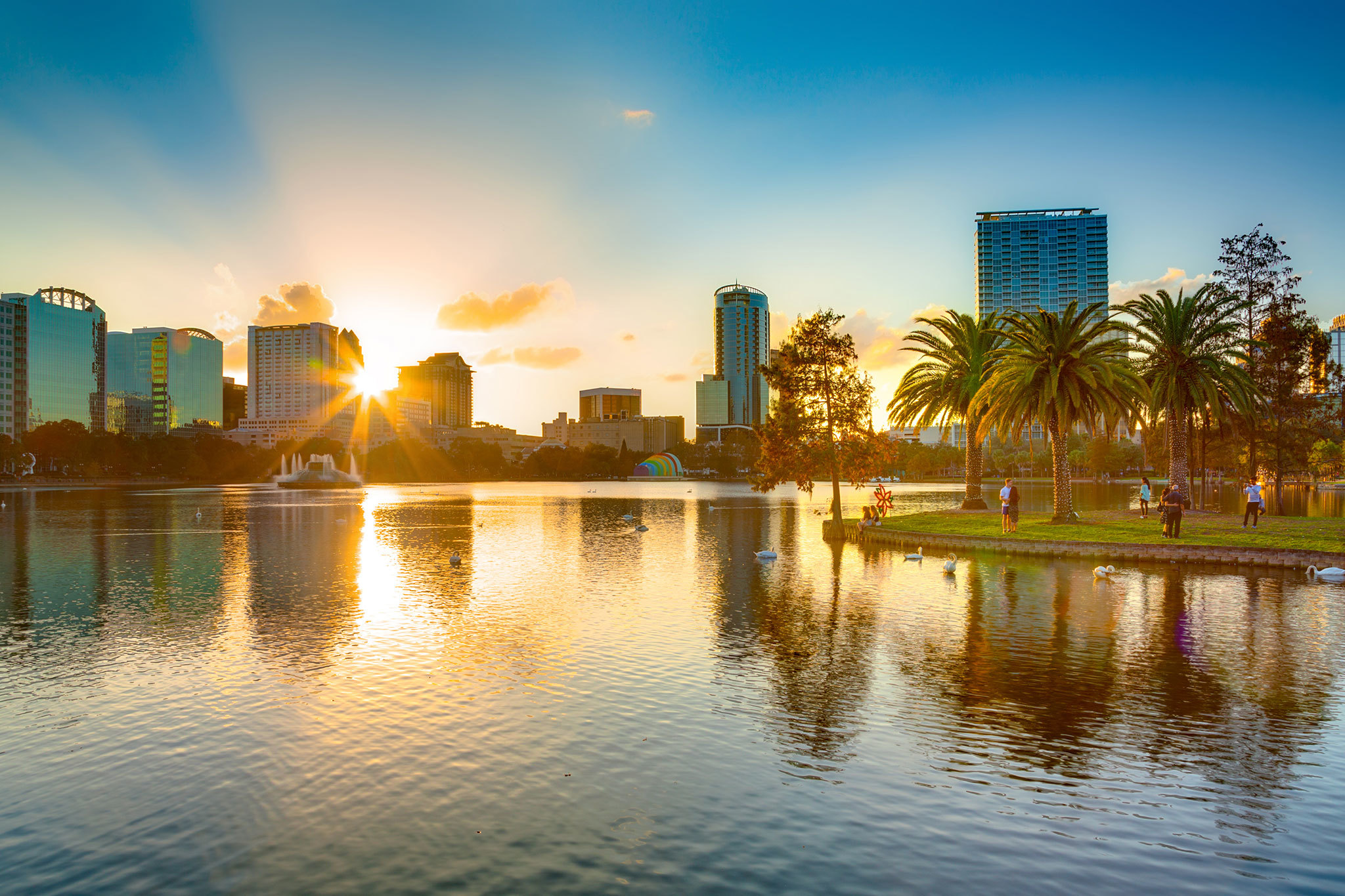
Navigating Orlando's real estate and community landscape requires more than a general map. Postal zones dictate everything from public school districts to homeowners insurance rates and investment potential. Central Florida's rapid expansion has transformed quiet residential pockets into bustling commercial hubs, making a clear breakdown of local postal boundaries essential for buyers, investors, and relocating professionals.
With over 30 distinct residential postal zones spanning the metropolitan area, understanding how these boundaries shape local communities clarifies why certain areas experience explosive demand while others retain historic charm. Local postal districts serve as practical boundaries for property values, lifestyle choices, and municipal planning across Orange County.
Understanding Orlando Postal Geography and Structure
The Orlando metropolitan area relies primarily on postal codes starting with the 328 prefix, managed by the USPS Location Finder to service Orange County and surrounding municipalities. Unlike cities laid out in strict numerical grids, Orlando's postal routing evolved alongside rapid suburban annexation and master-planned developments.
Postal boundaries reflect historical growth pulses rather than uniform geographic squares. For instance, downtown commercial districts sit directly adjacent to historic residential zones, each carrying distinct numerical designations. Recognizing these patterns helps buyers pinpoint specific neighborhoods without getting lost in municipal jargon.
Key Neighborhoods and Their Postal Boundaries
Different postal districts offer vastly different lifestyles, price points, and architectural styles. Examining high-demand sectors across the metro reveals distinct micro-markets.
Downtown and Urban Core (32801)
Covering the central business district and Lake Eola, 32801 represents Orlando's high-rise and urban living sector.
- Property Types: High-rise condominiums, luxury lofts, and historic adaptive reuse apartments.
- Vibe: Highly walkable, close to the Dr. Phillips Center for the Performing Arts, and dominated by young professionals.
- Market Dynamics: High density and steady rental demand make this zone a primary target for investors looking for urban proximity.
Upscale Suburbs and Lakes (32819 and 32814)
The western and eastern suburban corridors present contrasting pictures of master-planned community design.
- 32819 (Dr. Phillips / Bay Hill): Anchored by Restaurant Row on Sand Lake Road, this area features luxury single-family homes, golf course properties near the Bay Hill Club & Lodge, and close proximity to major employment centers.
- 32814 (Baldwin Park): Built on a former naval training center, this New Urbanism design emphasizes walkability, neighborhood parks, and community lakes with a tight-knit residential feel.
Expanding Eastern and Southern Corridors
Zones like 32828 (Avalon Park) and 32827 (Lake Nona) represent the cutting edge of Central Florida's outward expansion. Lake Nona, anchored by Medical City, attracts tech talent, medical professionals, and families seeking modern smart-home construction. These districts feature high population growth rates and modern infrastructure designed to accommodate influxes of new residents.
Population Growth and Housing Market Impact
Central Florida continues to draw thousands of new residents monthly, putting immense pressure on local housing inventory. According to the U.S. Census Bureau, regional population metrics show consistent upward trends driven by job creation in tech, aerospace, hospitality, and healthcare.
This influx manifests differently across postal zones. Suburban and master-planned pockets experience rapid new construction, while core urban districts see vertical densification. Buyers often find that competition spikes in zones with top-rated public school assignments or short commutes to major employment nodes like downtown or the tourist corridor.
Common Mistakes When Evaluating Orlando Postal Areas
Buyers and relocating families often miscalculate the realities of local geography by relying on generalized assumptions. Avoid these common missteps:
- Assuming postal boundaries match city limits: Many addresses carrying an Orlando mailing label actually sit in unincorporated Orange County, affecting municipal services and code enforcement.
- Overlooking insurance variations: Proximity to lakes, retention ponds, and low-lying flood zones varies wildly even within the same postal district, drastically impacting home insurance quotes.
- Ignoring school boundary shifts: School board rezoning frequently separates neighboring subdivisions within the same postal code into entirely different educational tracks. Always verify current assignments directly with the school district.
Frequently Asked Questions
How many residential postal codes are in Orlando?
Orlando proper contains roughly 30 residential postal zones starting with the 328 prefix, though the broader metropolitan statistical area includes dozens more across surrounding counties like Seminole, Osceola, and Lake.
Which postal code has the highest property values?
Upscale areas like 32814 (Baldwin Park) and 32819 (Dr. Phillips) consistently rank among the highest for median home prices and square-foot values due to strong school ratings, lake access, and upscale commercial amenities.
Do Orlando postal boundaries change?
The postal service occasionally adjusts routes or adds new delivery codes to accommodate population growth, though entirely new numbers are rare and usually accompany major master-planned community completions.
How do I check which municipality a specific address belongs to?
You can verify local jurisdiction, property taxes, and voting districts by checking the Orange County Property Appraiser database using the specific property address or parcel number.


