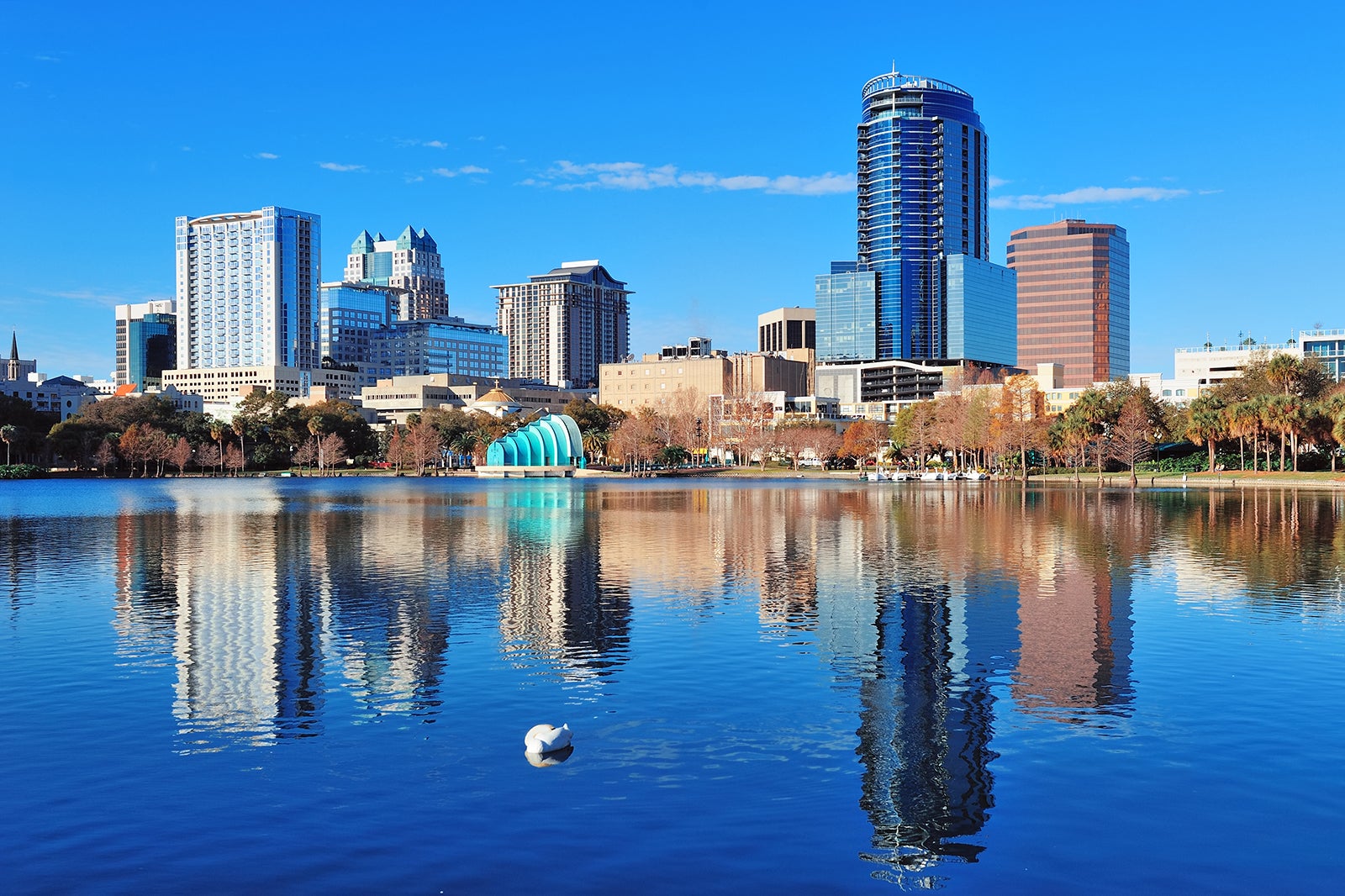
When people think of Orlando, Florida, they picture fiberglass castles, roller coasters, and sun-soaked resort pools. For decades, the global identity of Central Florida was inextricably linked to Mickey Mouse and family-friendly vacations. Beneath the surface of the hospitality footprint, however, a massive transformation has been quietly reshaping the region. Orlando has evolved into a powerhouse metropolitan area with an economy topping $200 billion, driven by defense contracting, aerospace innovation, life sciences, and semiconductor manufacturing.
This economic diversification didn't happen by accident. Local leadership, regional institutions, and a wave of skilled migration have successfully redefined Orlando as a dynamic global tech and innovation hub. Understanding how this transition occurred offers a compelling blueprint for how single-industry tourist towns can reinvent themselves into resilient, multi-faceted metropolitan economies.
Moving Past the Mouse: The Structural Shift
The traditional narrative of Orlando's economy rested on a fragile pillar: low-wage, high-volume tourism. While tourism remains a vital economic anchor, the vulnerability of a hospitality-dependent market became starkly apparent during economic downturns. City planners and regional economic groups realized that to support a rapidly expanding population—which consistently ranks among the fastest-growing in the United States—the city needed high-value job creation.
The pivot involved investing heavily in infrastructure, research partnerships, and advanced fields like modeling, simulation, and digital technology. By capitalizing on a strong base originally seeded by military installations and aerospace programs, Orlando cultivated a cross-sector environment where defense technology seamlessly feeds into medical research and commercial software development.
High-Tech Corridors and Advanced Manufacturing
One of the most significant drivers of Orlando's new economic identity is its explosive growth in advanced manufacturing and technology. The region is home to more than 78,000 technology jobs, injecting billions of dollars directly into the regional gross domestic product.
The NeoCity Semiconductor Hub
Perhaps the physical manifestation of this shift is visible at NeoCity, a 500-acre master-planned technology district in neighboring Osceola County. Rather than relying on imported microchips, regional stakeholders have positioned NeoCity as an epicenter for domestic semiconductor research, design, and manufacturing reshoring. Backed by hundreds of millions in federal grants and private partnerships, the campus brings together global startups and established tech giants to build the hardware powering modern infrastructure.
Aerospace and Defense Innovation
Long before commercial spaceflight became trendy, Central Florida was a quiet titan in defense simulation and aerospace engineering. Major aerospace contractors maintain massive operations across the metropolitan area. The region's expertise in virtual simulation—originally designed for military flight training—now spills over into commercial fields, including automotive testing, medical surgical training, and smart city planning.
Life Sciences and Healthcare Expansion
Beyond hardware and code, Orlando has built a formidable healthcare and life sciences ecosystem. The Medical City at Lake Nona stands as a testament to this effort, featuring a dense cluster of research institutions, hospitals, and pharmaceutical innovators.
This sector employs hundreds of thousands of professionals in high-paying clinical and research roles. By coupling world-class medical facilities with biotechnology startups, Orlando has established a supply chain that distributes a major share of the nation's specialty pharmaceutical products, proving that the city's intellectual capital extends far beyond entertainment.
Population Influx and Urban Scaling
Economic opportunity has triggered a massive demographic wave. Census data highlights that Orlando consistently ranks near the top of major U.S. metropolitan areas for population growth, fueled heavily by international migration and professionals relocating from high-cost coastal cities.
This influx brings unique challenges, including housing affordability, traffic management, and sustainable urban expansion. To address these hurdles, the city utilizes smart city initiatives—deploying Internet of Things sensors, autonomous transit pilots, and data-driven infrastructure projects designed to handle growth without compromising quality of life.
Common Pitfalls in Economic Diversification
For cities attempting to transition away from monoculture economies, Orlando's journey highlights several traps to avoid:
- Ignoring existing assets: Transitioning away from tourism doesn't mean abandoning it. Orlando leveraged its hospitality expertise in customer experience and logistics to improve its smart city and service sectors.
- Neglecting workforce pipelines: High-tech hubs require specialized talent. Success relies on aligning local universities and technical colleges directly with emerging industry demands.
- Siloing innovation: Keeping tech sectors isolated from traditional local industries limits growth. Orlando's cross-pollination between defense simulation, healthcare, and entertainment tech prevents isolated bubbles.
Frequently Asked Questions
Is tourism still the primary economic driver in Orlando?
Tourism remains a massive economic pillar, but it shares the stage with robust tech, healthcare, aerospace, and advanced manufacturing sectors that collectively push the regional economy past the $200 billion mark.
What is NeoCity and why is it important?
NeoCity is a 500-acre technology and research park in the Orlando region dedicated to semiconductor research and manufacturing reshoring, positioning Central Florida as a key player in American tech hardware independence.
How has Orlando's workforce changed?
The workforce has diversified significantly, adding tens of thousands of high-paying STEM, biotech, and advanced engineering jobs alongside traditional hospitality roles.
What challenges does Orlando face during this economic transition?
Rapid population growth has created pressures on housing affordability, regional transportation infrastructure, and sustainable resource management, requiring coordinated urban planning across multiple counties.



