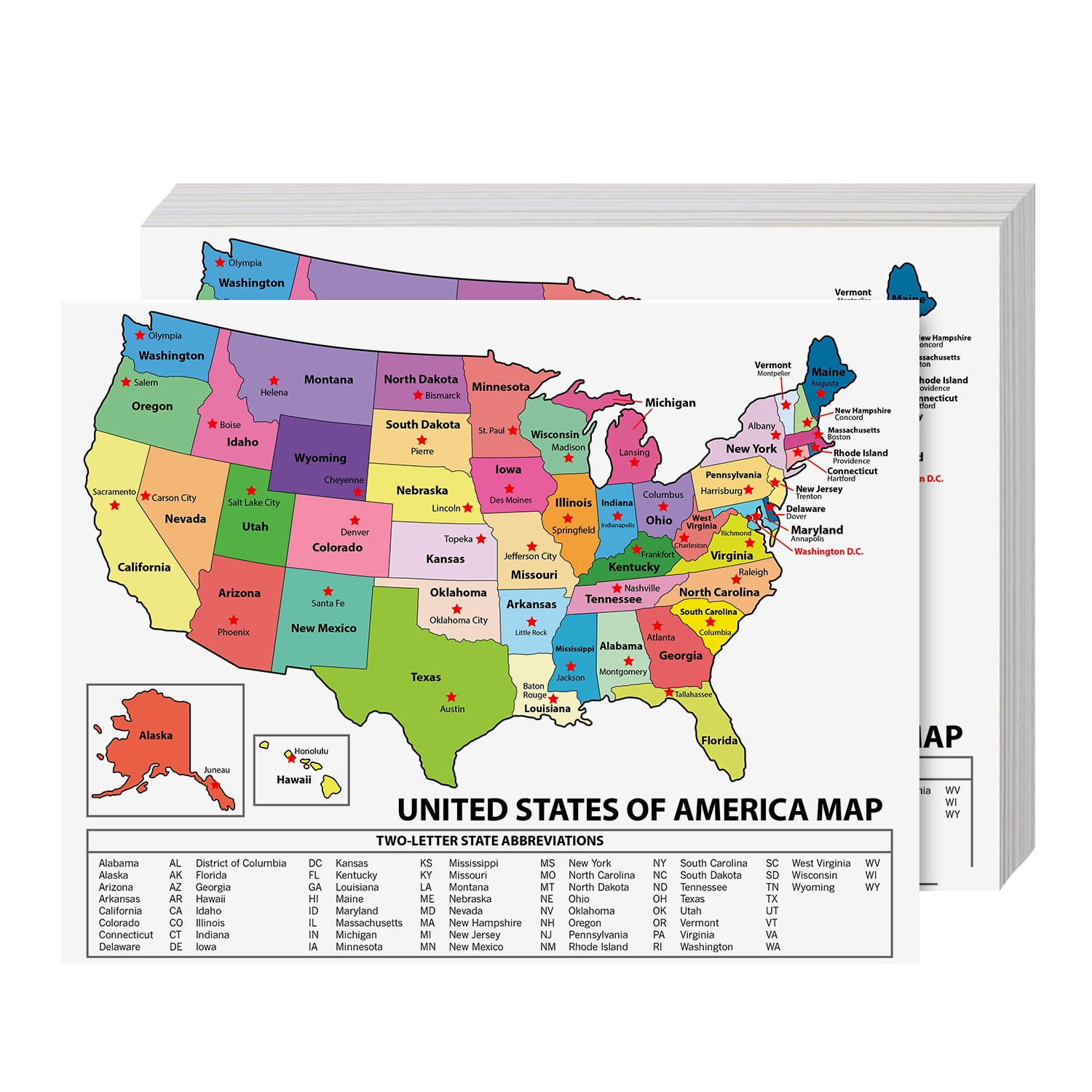
Summer travel in Oregon brings heavy traffic, seasonal construction, and changing weather risks. Whether you're heading to the coast or crossing mountain passes, relying on real-time data is critical. The Oregon Department of Transportation (ODOT) operates TripCheck as the primary hub for live traffic monitoring, road incidents, and camera feeds. Mastering this tool helps you avoid major delays and navigate unexpected hazards safely.
Before setting off on any regional trip, checking current routes prevents wasted hours stuck in bottlenecks or unexpected closures. This guide breaks down how to use TripCheck effectively, interpret summer road alerts, and prepare your vehicle for regional conditions.
Understanding the TripCheck Interface
TripCheck provides live data streams directly from ODOT dispatch centers. Knowing how to filter the map layers keeps you from getting overwhelmed by data while driving or planning.
- Live Traffic Cameras: Access hundreds of roadside cameras updated every few minutes to check actual weather and congestion levels before you enter a corridor.
- Incidents and Crashes: View real-time markers for accidents, disabled vehicles, and emergency road work.
- Conditional Closures: Identify partial route restrictions where high-clearance vehicles or local traffic might pass while other vehicles are barred.
- Weather Stations: Check surface temperatures, wind speeds, and atmospheric data collected along major highways.
Navigating Summer Construction Zones
Summer is the peak season for road construction across Oregon. Projects on major corridors like Interstate 5 and Interstate 84 often lead to lane shifts, overnight closures, and reduced speed limits.
Fines are frequently doubled in active work zones. When approaching a construction area, slow down immediately and follow instructions from flaggers or automated message boards. Check the TripCheck construction layer before you leave to map out alternate routes around major project bottlenecks.
Essential Summer Vehicle Preparations
High summer temperatures put extra strain on engines, tires, and cooling systems. Road trips require proactive maintenance to avoid breakdowns in remote areas.
- Check Tire Pressure: Hot pavement increases tire friction and expands air pressure. Inspect your tread depth and tire pressure when tires are cold.
- Inspect Cooling Systems: Coolant leaks or failing thermostats can cause engine overheating on steep mountain grades. Ensure your coolant levels are topped off.
- Pack an Emergency Kit: Keep extra water, non-perishable food, a flashlight with spare batteries, jumper cables, and a basic first-aid kit inside your trunk.
- Monitor Fuel Levels: Some rural stretches of Oregon highways have long gaps between fueling stations. Never let your tank drop below a quarter full.
For official updates on road projects and state regulations, consult the Oregon Department of Transportation portal.
Dealing With Wildfires and Reduced Visibility
Summer in the Pacific Northwest frequently brings wildfire risks that impact air quality and highway safety. Smoke can severely reduce visibility within minutes, turning a clear drive into a hazardous situation.
If you encounter heavy smoke or active fires near your route, turn on your low-beam headlights so other drivers can see you. Avoid using high beams, as light reflects off airborne smoke particles and creates a blinding glare. Maintain a much larger following distance than normal, and check TripCheck 511 or tune into local emergency broadcast stations for evacuation notices. If visibility drops to unsafe levels, pull completely off the active travel lane into a safe rest area until conditions improve.
Frequently Asked Questions
Can I access TripCheck if I don't have cellular data on the road?
If you lose cell service or prefer not to browse while driving, you can dial 511 from any phone within Oregon to hear automated updates on road conditions, mountain passes, and major incidents. If your carrier doesn't support 511, you can use the toll-free backup number provided on the TripCheck 511 Info Page.
What is a conditional closure on TripCheck?
A conditional closure means a highway is restricted to specific vehicle types rather than completely closed. For example, low-clearance vehicles might be barred due to minor flooding or debris, while high-clearance trucks are permitted to pass.
How often are the traffic camera images updated?
Most ODOT camera images refresh automatically every few minutes. You can check the timestamp on individual camera pop-ups to verify how current the visual feed is before making routing decisions.
Are rest areas open continuously during the summer?
Most state-operated rest areas remain open 24/7, but certain locations may experience temporary closures for maintenance or seasonal water restrictions. Check regional travel alerts on ODOT Traveler Information before planning overnight stops.


