Orchard Park, New York, sits approximately 14 miles southeast of downtown Buffalo, acting as an outer-ring suburb that balances quiet residential life with global recognition. While millions outside of Erie County know the area strictly for Highmark Stadium and Sunday football tailgates, the town and its historic village maintain a deep agricultural heritage, an active small-business ecosystem, and a close-knit community identity shaped over two centuries. Understanding this town requires looking past the stadium lights to examine how early settlers, local merchants, and regional economic shifts built a resilient Western New York municipality.
Roots in Agriculture and Quaker Settlement
Long before modern sub-divisions and commercial plazas lined Route 20A, the land was heavily wooded and dotted with wild fruit trees. Didymus and Phebe Kinney arrived in 1803, carving out a homestead in what was then part of the massive town of Hamburg. Shortly after, a wave of Quaker families migrated into the region, drawn by fertile soil and open land. They established agricultural roots and built communal structures that still anchor the local landscape.
The Quaker Meeting House, constructed in 1820 within the modern village limits, stands as the oldest house of worship in Erie County. During the decades leading up to the Civil War, local Quaker homes served as active stops on the Underground Railroad, helping freedom seekers travel north toward Buffalo and Canada.
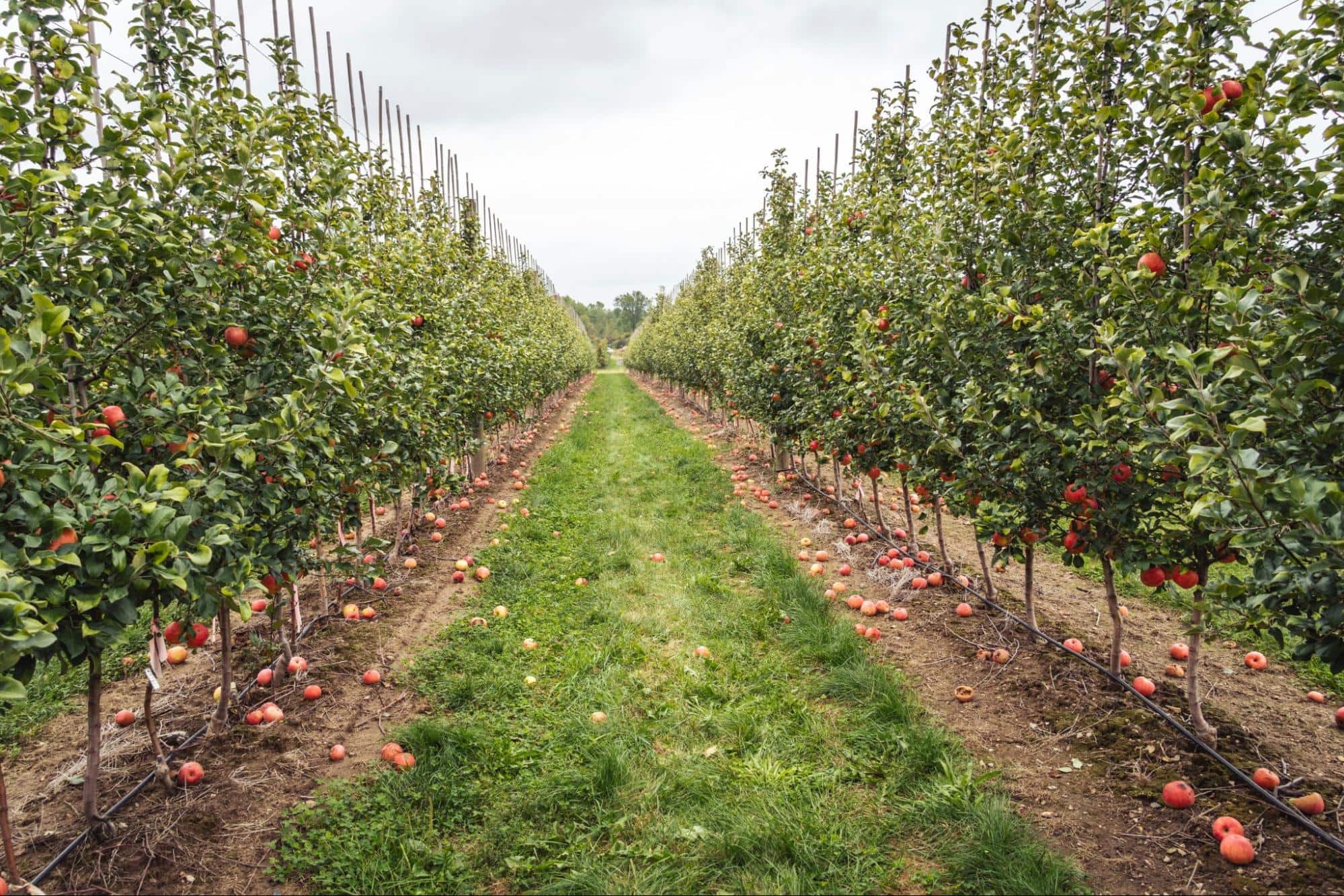
Originally known as Potters Corners, the central settlement changed its name to Orchard Park in the early 1920s, inspired by the abundant orchards that defined the local scenery. The surrounding town, previously designated as East Hamburg, eventually adopted the same name to unify local identity. The Town of Orchard Park Official Website details how these early agricultural tracts slowly transformed into a structured suburban community following the expansion of regional rail lines like the Buffalo, Rochester and Pittsburgh Railway.
Economic Evolution: From Farms to Small Business and Corporate Proximity
The local economy transitioned gradually from subsistence farming and fruit production into a diversified suburban market. The opening of regional transportation links connected local farmers directly to Buffalo markets, encouraging commercial hubs to form around the intersection of modern Routes 240 and 20A, locally known as the "Four Corners".
Today, Orchard Park operates primarily as a white-collar residential suburb for the Buffalo-Niagara Falls metropolitan area, boasting a median household income hovering around $100,000. While residents commute into Buffalo for professional, healthcare, and administrative careers, the town itself supports a thriving network of independent retailers, professional service firms, and light manufacturing enterprises.
The economic profile shifted significantly with the construction of the stadium on Abbott Road in the early 1970s. Home to the Buffalo Bills, the venue injects millions of dollars into the local hospitality, retail, and service sectors during home game weekends. Local hotels, family-owned restaurants, and specialty shops experience massive seasonal boosts, creating a unique economic hybrid where quiet suburban commerce meets high-impact sports tourism.
Community Spirit, Culture, and Local Institutions
Community identity in Orchard Park runs deep, driven by generational residency, active civic organizations, and local traditions. Unlike bedroom communities that lack a distinct town center, the historic village preserves a walkable downtown corridor along South Buffalo Street, featuring century-old brick storefronts, local bakeries, and community gathering spaces.
Annual events define the social calendar. The Orchard Park Quaker Arts Festival, launched in the 1960s, draws regional artists, crafters, and thousands of visitors to the middle school grounds and village parks every September. Furthermore, school district pride remains a primary social pillar. Athletic events, particularly high school football and ice hockey, draw large community turnouts on Friday nights, reinforcing generational ties among families who have lived in the Southtowns for decades.
Preservation of local history remains a priority for residents. The Orchard Park Historical Society, operating out of the historic Jolls House on South Buffalo Street, maintains archives, photographs, and artifacts detailing the town's progression from a 19th-century Quaker settlement to a modern suburb.
Geographic Layout and Neighborhood Dynamics
Geography plays a major role in how residents experience life in the municipality. The town spans roughly 38 square miles, featuring a mix of suburban housing tracts, rural pockets, and protected green spaces.
- The Village: A compact 1.4-square-mile incorporated area serving as the civic and historic core, featuring sidewalks, mature shade trees, and walkable local businesses.
- The Hamlet of Armor: Located along the western border, providing quick access to neighboring Lackawanna and major thoroughfares.
- The Outer Town Rings: Encompassing broader residential subdivisions, golf courses, and agricultural acreage stretching toward Boston and Colden.
Residents also benefit from regional natural assets. Nearby nature preserves, county parks, and access to Lake Erie provide year-round outdoor recreation, from hiking and cross-country skiing to boating and fishing. The Erie County Department of Parks, Recreation and Forestry manages several regional properties nearby that offer residents expansive green space just minutes from suburban neighborhoods.
Frequently Asked Questions
What is Orchard Park best known for?
The town is internationally recognized as the home of Highmark Stadium, where the Buffalo Bills play their home games. Locally, it is equally celebrated for its historic Quaker heritage, excellent public school district, and walkable village center.
How far is Orchard Park from downtown Buffalo?
The village of Orchard Park is located about 14 miles southeast of downtown Buffalo. Under normal traffic conditions, the commute via Route 219 or local expressways takes roughly 20 to 25 minutes.
Is Orchard Park a town or a village?
It is both. The Town of Orchard Park is a larger municipality in Erie County that completely encompasses the smaller, incorporated Village of Orchard Park.
What kind of housing is available in the area?
Housing stock ranges from historic 19th-century homes and mid-century suburban ranches to modern single-family developments and townhomes. The median construction year for homes sits around 1965, reflecting mid-century suburban expansion.



