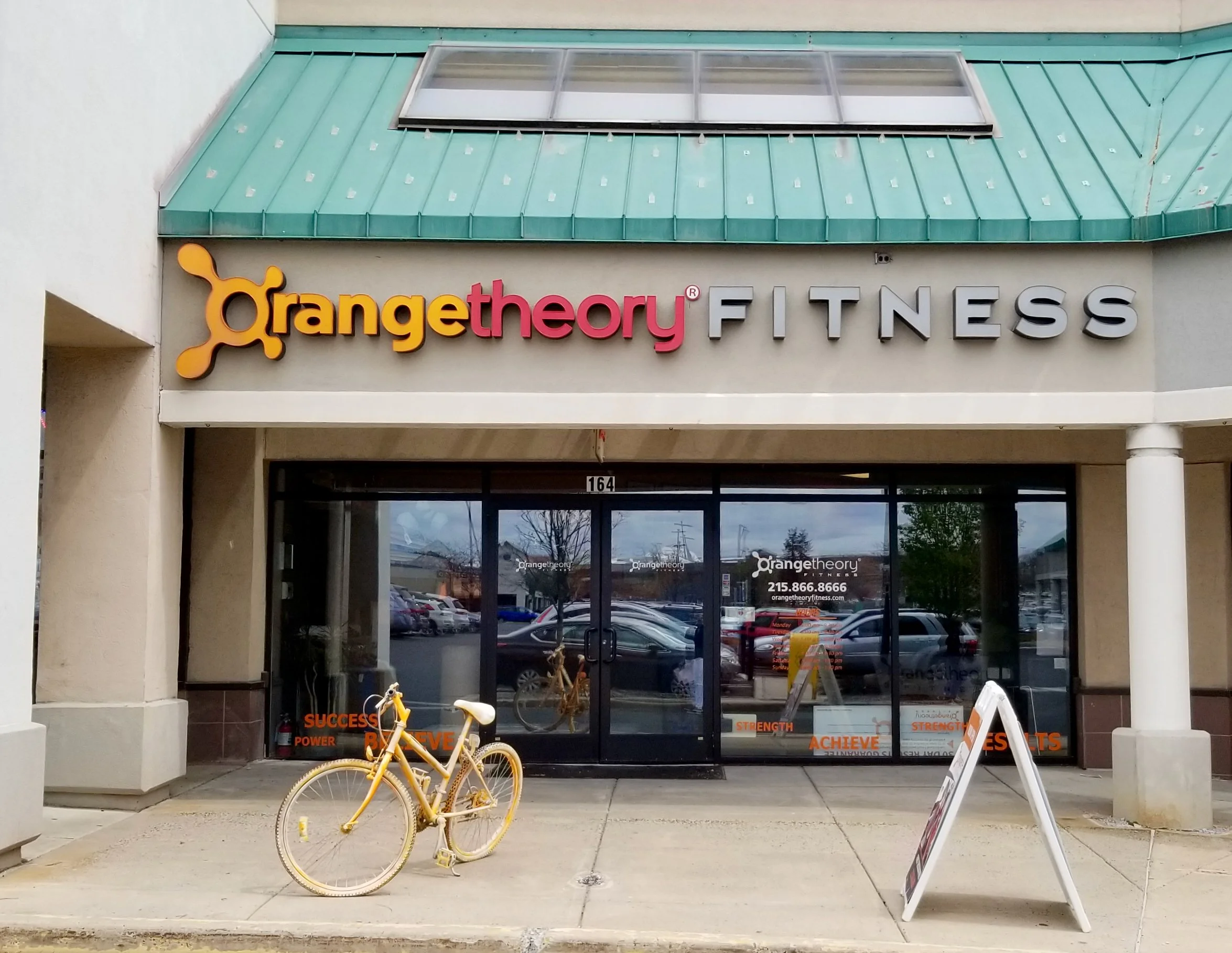
Orangetheory Fitness builds its entire 60-minute session around high-intensity interval training anchored by real-time heart rate tracking. You spend the hour cycling through treadmill running, indoor rowing, and strength training blocks designed to spike and recover your heart rate. The core objective is keeping your effort elevated in specific target zones so your body continues burning calories long after you leave the studio.
Understanding why this specific setup drives results requires looking past the neon lighting and upbeat music into exercise physiology. Every class relies on physiological concepts like EPOC (excess post-exercise oxygen consumption) and heart rate reserve tracking to personalize a group fitness environment. Whether you're stepping onto a treadmill for the first time or looking to optimize your splat points, knowing the science changes how you pace your effort.
The Physiology of EPOC and the Afterburn Effect
When people talk about the Orangetheory method, the conversation usually centers on the afterburn effect. Scientifically known as EPOC, this phenomenon describes the elevated rate of oxygen intake your body maintains after a strenuous workout to recover to its resting state. During intense exercise, your muscles deplete their oxygen and energy reserves. Repairing those systems, clearing metabolic byproducts, and restoring normal body temperature require extra energy.
High-intensity interval training triggers a significant EPOC response because you push your cardiovascular system close to its limits during work intervals. While marketing claims often exaggerate how many extra calories you burn post-workout, research shows that vigorous intervals elevate metabolism for hours after you finish exercising. The key is reaching the right intensity threshold during the actual session. If your heart rate stays too low, the metabolic disturbance is minimal, meaning your body returns to baseline quickly once you stop moving.
To hit that threshold, the workout uses a five-zone system based on your individual maximum heart rate. You aren't just working hard; you're working smart by monitoring your effort against personal metrics rather than trying to match the person next to you.
Decoding the Five Heart Rate Zones
Your workout performance is tracked on big screens around the room using a chest strap or arm-band monitor. Your effort translates into five distinct color zones, each representing a percentage of your estimated maximum heart rate.
Gray and blue zones represent your warm-up and active recovery. Your heart rate sits between 50% and 70% of your maximum, making these paces comfortable and sustainable for long stretches. You use these zones to catch your breath between intense pushes or to ease your body into the session.
The green zone is your base pace, sitting at 71% to 83% of your maximum heart rate. This feels challenging yet manageable, a rhythm you could theoretically maintain for a long time. Coaches often describe base pace as a feeling of control where you can answer a question with a short sentence.
The orange and red zones are where the magic happens. Orange runs from 84% to 91%, while red hits 92% and above. These zones correspond to your push paces and all-out efforts. Your breathing becomes heavy, and you can only manage single-word responses. Accumulating at least 12 minutes combined in the orange and red zones is the hallmark goal of every class, triggering the desired cardiovascular adaptation and EPOC response.
Breaking Down the Three Station Blocks
A standard 60-minute class splits your time evenly across three stations: treadmills, rowers, and weight floor equipment. This multi-modal approach prevents boredom and distributes muscular fatigue across different muscle groups.
Treadmill Intervals
Treadmill blocks form the core cardiovascular engine of the class. Coaches call out three distinct speeds: base, push, and all-out. Instead of running at a flat, boring speed for thirty minutes, you alternate between comfortable jogging, challenging hills or speeds, and short sprints. This constant variation keeps your heart rate bouncing between zones, forcing your cardiovascular system to adapt to changing demands rapidly.
Indoor Rowing Mechanics
Rowing is often misunderstood as an arm workout, but proper technique relies heavily on your legs and core. About 60% of your power comes from the initial leg drive, 20% from your core swing, and the final 20% from the arm pull. Rowers provide a low-impact, full-body workout that engages major muscle groups while elevating your heart rate quickly. Coaches structure rowing blocks with interval distances, stroke rates, and explosive power bursts to keep your heart rate elevated in the orange zone.
Strength Floor Training
The weight floor features dumbbells, suspension straps, resistance bands, and bodyweight movements. Unlike traditional gyms where you lift heavy and rest for two minutes, Orangetheory keeps the transitions fast and the rep ranges purposeful. You might cycle through lunges, squats, shoulder presses, and core exercises. This keeps your heart rate elevated even while building muscular endurance and strength.
Common Mistakes That Sabotage Results
Many participants fall into traps that limit their progress over time. Avoiding these pitfalls helps you get the most out of your membership.
- Ignoring base pace: Going too hard during warm-ups and base paces means you burn out before the workout peaks. Your base pace should feel sustainable. If you're gassed during the warm-up, you'll struggle to maintain proper form later.
- Slouching on the rower: Bending your arms too early in the stroke cuts your power in half and stresses your lower back. Focus on driving hard with your legs first before leaning back and pulling the handle to your lower ribs.
- Sacrificing form for speed on the floor: Rushing through dumbbell reps just to finish before your neighbors leads to sloppy form and potential injuries. Controlled, deliberate movements build better muscle engagement.
- Ignoring nutrition and recovery: Training in high-intensity zones requires adequate fueling and sleep. Overtraining without proper rest leads to plateaued performance and elevated cortisol levels.
For more insights into structured training methodologies, you can explore resources from the American Council on Exercise for evidence-based fitness guidelines.
Frequently Asked Questions
What happens if I don't get 12 splat points?
Nothing bad happens. The 12-minute recommendation is a general guideline based on interval training research to optimize the afterburn effect. If you hit 10 minutes or 15 minutes, your body still undergoes significant cardiovascular conditioning. Fitness levels, age, and daily fatigue levels all influence how easily your heart rate spikes.
Can beginners keep up with the pacing?
Yes. Every station allows you to set your own speeds and weights. Jogging, power walking, and running share the same treadmill block, meaning power walkers simply crank up their incline instead of running. Coaches provide modifications for every floor exercise to match different fitness levels.
How many days a week should I go?
Because high-intensity interval training stresses your central nervous system and muscular tissue, taking rest days is vital. Most members find success attending three to four times a week, mixing in active recovery, yoga, or easy walking on off days to allow proper muscle repair.
Do I need a heart rate monitor to participate?
While you can take a class without one, the monitor powers the studio screens and tracks your personal zones in real time. Many people use the monitor for the first few months to learn how their body responds to different intensities before relying more on perceived exertion.



