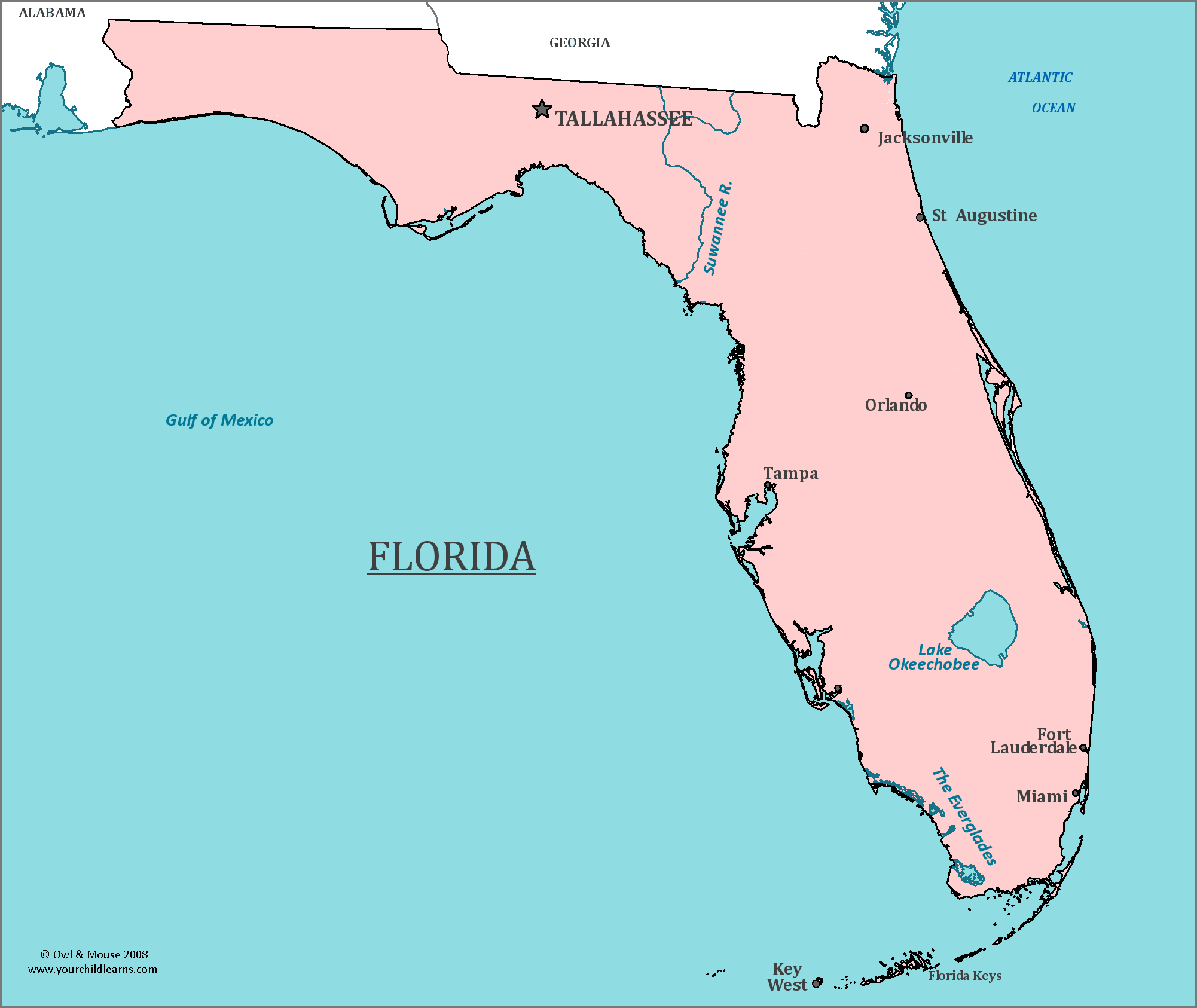
Navigating Florida public criminal data requires knowing exactly where local records live and how state statutes govern public access. In Orange County, Florida, arrest records, booking logs, and court case dockets are open to public inspection under Florida's broad public records laws. Whether you're conducting a background check, verifying an inmate's status, or researching local legal proceedings, finding accurate information depends on utilizing official county portals rather than commercial data aggregators.
Local oversight of criminal data is split between law enforcement agencies that handle initial arrests and the judicial system that processes subsequent charges. Understanding how these entities manage records ensures you find verified case histories without running into outdated third-party paywalls or inaccurate information.
Official Channels for Finding Orange County Arrest Data
When someone is taken into custody in Orlando or surrounding Orange County areas, their booking information and charges enter distinct municipal and county databases. Knowing which agency holds the record saves time and ensures you see up-to-date charges.
The Orange County Corrections Department operates the local jail facility and maintains current inmate rosters. Their online database lets you search for individuals currently housed in the facility or those recently booked. You can search by last name or booking number to check bond amounts, facility locations, and specific charges.
For comprehensive criminal court files, charges, and case dispositions, the Orange County Clerk of Courts is the primary authority. The clerk manages the digital repository for the Ninth Judicial Circuit. Through the my eClerk portal, you can look up criminal case files, check upcoming court dates, and read disposition details free of charge.
If you need a statewide criminal history check that goes beyond a single county, the Florida Department of Law Enforcement (FDLE) processes background histories. FDLE searches public records across all sixty-seven Florida counties, providing certified histories with or without fingerprint submissions.
Understanding Florida Criminal Case Numbers and Codes
When you search court files on the clerk's portal, you'll encounter standard Florida case numbering formats. Recognizing these codes helps you immediately identify what kind of legal proceeding is underway.
A typical Orange County criminal case number follows a structured format like 2024-CF-012345-A-O. Here is how to break down each segment:
- The initial four digits represent the year the case was filed.
- The letters indicate the case type. CF stands for Circuit Felony, while MM designates a Misdemeanor, and CT indicates a County Criminal Traffic violation.
- The sequential number tracks the specific order in which the case was filed that year.
- The trailing letter code points to the specific court division, and the final letter denotes Orange County.
Case statuses shift as proceedings move through the judicial system. A status listed as Pending means the case is open and awaiting hearings. An Active status shows ongoing court dates. Once a judge renders a final decision, the status updates to Disposed, and eventually Closed once administrative tasks wrap up.
Accessing Records In Person and by Mail
While digital portals handle most routine searches, certain situations require physical visits or formal written requests. Public access computer terminals are available inside the Orange County Courthouse at 425 N. Orange Avenue in downtown Orlando. Staff members can guide you through using public terminals if you need assistance locating archived files.
For official documentation, certified copies carry legal weight that printouts from web browsers lack. The clerk's office charges standard state-mandated fees for paper duplication and certification:
- Standard copies cost $1.00 for the first page and $0.15 for each additional page.
- Document certification costs an additional $2.00 per document.
- Diligent search letters or exemplification letters carry fixed administrative fees, usually around $7.00.
Mail-in requests require clear identifying details, including the subject's full legal name, date of birth, and known case or booking numbers. Processing times for mail requests typically range from five to fifteen business days depending on archive volume.
Responsibly Using Public Criminal Data
Public access to government records is protected under Florida's strict sunshine laws, but users carry a responsibility to interpret and apply that data ethically. Arrest records reflect an initial detention, not a final legal conviction. Presuming guilt before a court enters a formal disposition damages reputations and creates misleading impressions.
Common pitfalls when handling criminal data include relying on commercial background websites that scrape data infrequently. These third-party sites often display expunged or outdated records long after a local court has dismissed charges or sealed a file. Always cross-reference commercial search results against official county sources like the clerk of court or the sheriff's office.
Furthermore, privacy exemptions protect certain records from public view. Juvenile files, specific domestic violence victim details, and confidential medical information remain restricted under Florida statutes. Attempting to bypass these protections or using public data to harass, intimidate, or discriminate against individuals violates state guidelines and federal employment regulations.
Frequently Asked Questions
Are all Orange County arrest records completely free to view online?
Basic inmate lookups via the corrections database and public case lookups through the clerk's portal are free. However, obtaining certified physical copies, extensive background history printouts through state agencies, or bulk data exports involves statutory fees.
What is the difference between an arrest record and a criminal conviction?
An arrest record simply documents that law enforcement took a person into custody on probable cause. It does not mean the person was formally charged or found guilty. A criminal conviction occurs only after a plea of guilty, a plea of nolo contendere, or a trial verdict resulting in guilt.
Can an arrest record in Orange County be sealed or expunged?
Yes, under Florida law, individuals who meet specific criteria—such as having no prior convictions and having their current case dismissed or dropped—may petition the court to seal or expunge their criminal history record. Once expunged, the record is removed from public view entirely.
Why do third-party background sites show different info than the official clerk portal?
Commercial aggregators copy county databases periodically and rarely update records in real time. If a judge dismisses a case or seals a file locally, commercial sites often lag behind, leaving obsolete data online until someone files a manual correction request.


