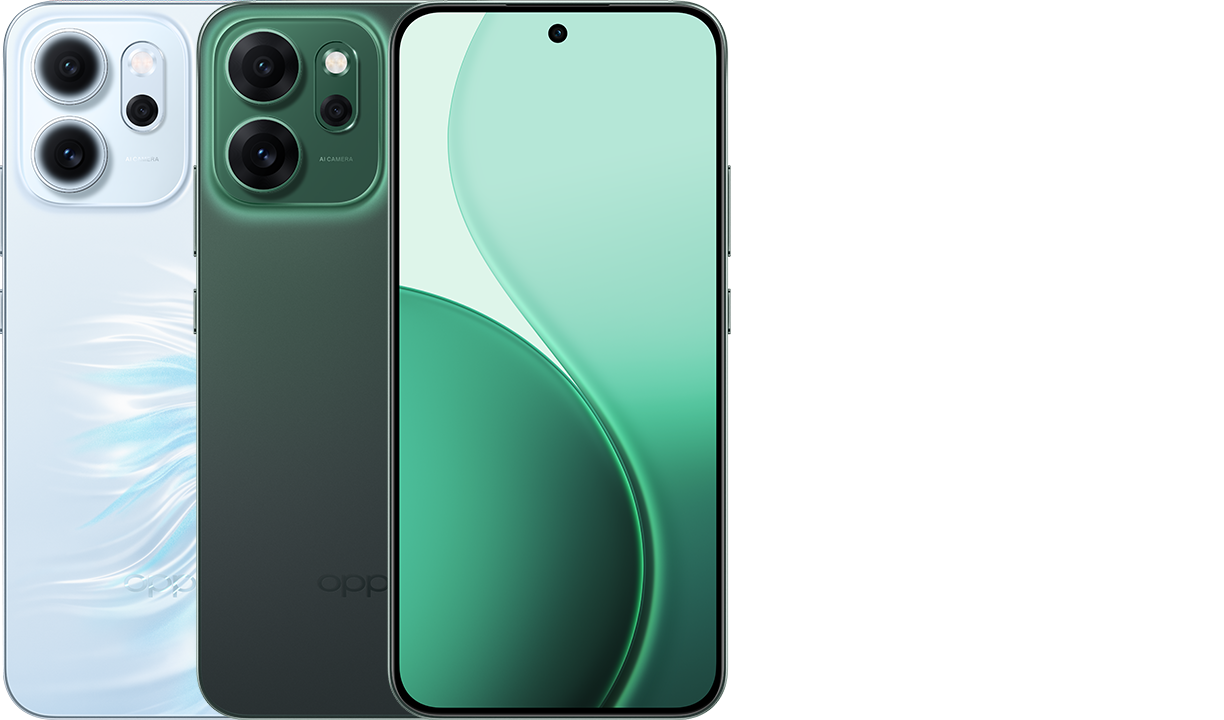
In 2020, the smartphone industry faced unprecedented global disruptions, yet several manufacturers managed to execute radical strategic shifts. Among them, Oppo stood out by moving away from its traditional reliance on budget-to-midrange volume and aggressively targeting the high-end global flagship market. This transformation wasn't accidental; it was a calculated response to tightening market saturation and shifting consumer expectations.
For years, consumers viewed Oppo primarily as a selfie-centric brand popular across Asian markets. The events of 2020 fundamentally altered that perception through aggressive hardware upgrades, massive investments in fast-charging technology, and a deliberate pivot toward premium aesthetics. Understanding how this transition unfolded reveals the engineering choices and market pressures that shaped Oppo's current standing in the mobile ecosystem.
Shifting Focus From Volume to Flagship Prestige
Before 2020, Oppo relied heavily on its Reno and A-series lineups to drive massive shipment volumes. While profitable, these devices occupied the mid-tier segment where margins are thin and brand loyalty remains fragile. As competitors squeezed margins from both ends, management realized that long-term survival required establishing authority in the ultra-premium tier.
The launch of the Find X2 series served as the anchor for this strategic overhaul. Instead of focusing solely on superficial design changes, engineers concentrated on core user pain points: display fluidity, charging speed, and low-light photography. By introducing high-refresh-rate OLED panels and advanced computational photography architectures, the company signaled to enterprise analysts and consumers alike that it could compete directly with established luxury smartphone makers. Further journalism by Bloomberg highlights similar perspectives on this issue.
The Engineering Breakthroughs of 2020
Hardware innovation drove Oppo's transition during this period. The company didn't just adopt off-the-shelf components; it heavily subsidized custom display and power delivery R&D.
Display Technology and Refresh Rates
The integration of 120Hz refresh rate panels with 2K resolution marked a massive leap forward. Unlike early high-refresh screens that drained batteries rapidly, Oppo implemented dynamic refresh rate switching using OLED technology to balance visual smoothness with daily efficiency. Users noticed immediate improvements in scrolling fluidity and media consumption, closing the gap with industry leaders.
Power Delivery and SuperVOOC Evolution
Fast charging became a primary battleground in 2020. Oppo expanded its proprietary SuperVOOC charging standard, pushing 65W power adapters into mainstream production. This technology allowed a completely depleted battery to reach full capacity in under thirty minutes. By solving battery anxiety through rapid replenishment rather than simply increasing physical battery bulk, the brand carved out a distinct engineering identity.
- 65W SuperVOOC: Cut average charging times down to roughly 28 minutes for a standard 4000mAh dual-cell battery.
- Thermal Management: Utilized gallium nitride (GaN) components to reduce charger heat output during high-wattage transfers.
- Safety Protocols: Integrated multi-tier hardware-level voltage protection directly into the power brick and handset motherboard.
Navigating Global Supply Chains and 5G Integration
The rollout of 5G networks in 2020 forced every major handset maker to redesign internal antenna layouts and manage tighter thermal envelopes. Oppo utilized its close partnership with Qualcomm to embed Snapdragon 865 processors across its flagship tier, ensuring robust standalone and non-standalone 5G connectivity.
Managing these complex supply chains during global logistical hurdles required agile manufacturing adjustments. Instead of halting production, factories optimized automated assembly lines for precision glass-bending and ultra-thin bezels. This manufacturing resilience ensured that premium devices reached European and Asian markets without catastrophic delays, maintaining momentum when competitors struggled with stock shortages.
Market Reception and Competitive Repositioning
Market analysts initially questioned whether consumers accustomed to mid-range pricing would spend upwards of a thousand dollars on an Oppo flagship. However, retail data from late 2020 showed double-digit market share growth in Western Europe, particularly within urban centers in France, Italy, and the United Kingdom.
Younger demographics and tech enthusiasts responded positively to the brand's cleaner ColorOS software interface, which shed much of its earlier bloatware in favor of a stock Android aesthetic. This software refinement proved just as critical as physical hardware upgrades, establishing a cohesive ecosystem experience.
Frequently Asked Questions
Why was 2020 considered a turning point for Oppo?
The year marked Oppo's decisive pivot from a regional mid-market volume leader into a global contender in the ultra-premium smartphone segment, anchored by the Find X2 series and rapid charging innovations.
What charging technology did Oppo popularize in 2020?
Oppo heavily scaled its 65W SuperVOOC fast-charging architecture, enabling users to recharge large-capacity smartphone batteries in under half an hour safely.
How did Oppo's software change during this period?
ColorOS underwent a significant visual and structural cleanup, reducing pre-installed applications and adopting a cleaner interface design that appealed to international markets.
Did Oppo release 5G phones in 2020?
Yes, the company integrated dual-mode 5G capabilities across its entire flagship lineup, ensuring compatibility with evolving global telecommunications infrastructure.



