Australia's vast and unforgiving interior serves as one of the most demanding training grounds on earth. Operation Outback represents a suite of classified and high-intensity military exercises designed to test the limits of modern combat readiness, logistics, and survival in extreme desert conditions. While official announcements frequently highlight joint international drills like Exercise Talisman Sabre, smaller-scale or tightly controlled maneuvers within the remote outback focus on specialized deployment, long-range reconnaissance, and electronic warfare isolation. Understanding these exercises requires looking past surface-level press releases to examine how the Australian Defence Force prepares for multi-domain operations across thousands of square kilometers of red dust, extreme heat, and absolute isolation.
The primary keyword driving search intent for this topic is Operation Outback military exercises, with users seeking clarity on what these drills entail, why they remain so elusive, and how they shape Australia's national security posture. This article breaks down the operational realities, logistical hurdles, and strategic significance of these exercises, answering the questions that standard defense briefs leave blank.
The Strategic Geography of Australia's Interior
Training in the Australian outback isn't just about heat adaptation; it's about mastering tyranny of distance. The sheer scale of regions like the Simpson Desert, the Pilbara, and the broader central plains provides an environment where conventional supply lines break down completely.
When units deploy for remote maneuvers, they face several distinct operational challenges:
- Logistical isolation: A single mechanized brigade requires thousands of liters of water and fuel daily, forcing planners to rely on advanced tactical air drops and mobile water purification units.
- Communications blackouts: Vast expanses lack standard infrastructure, requiring units to test satellite redundancy and high-frequency radio jamming resistance under heavy combat simulation.
- Environmental wear: Fine red dust penetrates electronics, turbine engines, and mechanical seals faster than standard desert sand, testing the maintenance resilience of armored vehicles like the M1A1 Abrams and Boxer Combat Reconnaissance Vehicles.
Operating in these conditions ensures that troops don't just learn how to fight an adversary; they learn how to survive the environment itself.
Why These Exercises Remain Elusive
Official transparency from the Department of Defence balances public accountability with operational security. Many high-value drills conducted deep inland are deliberately kept low-profile or classified under specific codenames to protect capability assessments.
Potential adversaries monitor electronic signatures, satellite movements, and logistics hubs. By keeping specific tactical maneuvers under wraps, the Australian military maintains a strategic ambiguity about its rapid-response capabilities. When units practice covert insertion, long-range artillery positioning, or special forces infiltration in the outback, minimizing public tracking prevents foreign intelligence agencies from mapping exact tactical responses to crisis scenarios in the Indo-Pacific.
Furthermore, civilian safety plays a major role in restricted access. The outback contains active weapons testing ranges, such as the Woomera Prohibited Area, which spans an area roughly the size of England. Unauthorized entry isn't just dangerous due to unexploded ordnance; it can compromise sensitive sensor data collection during live-fire trials.
Key Training Objectives and Capabilities Tested
What actually happens during these high-stakes deployments? While specific exercise schedules shift annually, several core capabilities form the backbone of outback military trials.
Long-Range Reconnaissance and Surveillance
Special operations units and regional force surveillance units, such as the Pilbara Regiment, utilize the outback to test stealth movement and long-duration surveillance. Troopers rely on foot patrols and modified long-range patrol vehicles to track simulated opposing forces across hundreds of kilometers without external support. This mirrors the vast maritime and terrestrial borders Australia must monitor in real-world defense operations.
Joint Air-Land Integration
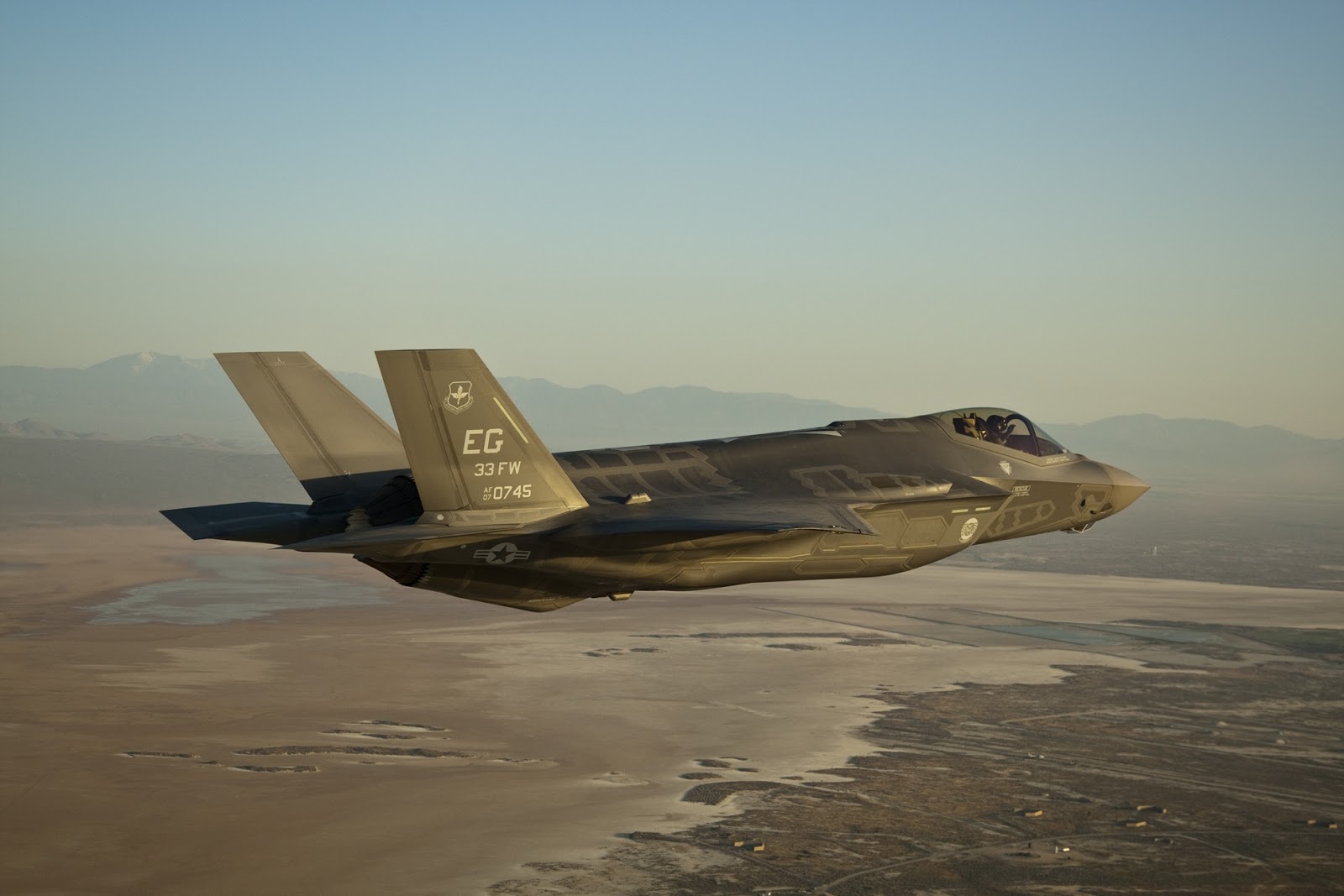
Coordinating close air support over vast, featureless terrain is notoriously difficult. Outback exercises force Royal Australian Air Force F-35A Lightning II pilots and Army ground commanders to coordinate strikes using decentralized command structures. Pilots practice landing on improvised dirt airstrips, testing agile combat employment doctrines that ensure air power isn't tied down to permanent, easily targeted airbases.
Autonomous Systems and Logistics
Recent modernization efforts have introduced uncrewed ground vehicles and autonomous supply drones to outback testing grounds. Because moving supplies via manned truck convoys exposes troops to ambushes, testing robotic resupply in high-heat, high-glare environments gives defense planners a realistic look at future force structures.
Common Misconceptions About Outback Maneuvers
Civilians and armchair defense analysts often misunderstand the nature of these deployments. Clearing up these myths provides a more accurate picture of modern Australian defense strategy.
- Myth: These exercises are purely joint drills with the United States.
- Reality: While bilateral exercises like Talisman Sabre involve massive international footprints, many outback-specific trials are entirely sovereign, focusing strictly on Australian Army and Air Force independent capabilities.
- Myth: The outback is identical to Middle Eastern desert environments.
- Reality: While both are hot and arid, the Australian outback features unique flora, extreme humidity swings in certain sectors, and an absolute lack of road infrastructure that creates vastly different vehicle mobility challenges.
- Myth: Everything is fully digitized now.
- Reality: High-tech digital command posts often fail first in the outback due to heat loads and satellite geometry, forcing troops to rely on analog backup navigation and communication methods.
Frequently Asked Questions
Are these exercises open to public observation?
No. Most high-level exercises occur within restricted defense zones, active pastoral leases, or prohibited areas where public access is strictly illegal for safety and security reasons.
How does the military handle environmental protection during outback drills?
The Australian Defence Force operates under strict environmental management plans. Units must clean up all debris, avoid sensitive Indigenous heritage sites, and rehabilitate any terrain damaged by tracked vehicle movements.
What role do Indigenous communities play in outback defense?
Traditional owners and local Indigenous communities are frequently consulted regarding land use, cultural heritage protection, and environmental preservation. Additionally, regional surveillance units draw heavily on the deep land knowledge of local populations.
Where can I find official updates on Australian military exercises?
For verified public announcements, capability updates, and press releases regarding joint and sovereign drills, consult the Department of Defence newsroom. For broader geopolitical context on regional security strategies, the Australian Strategic Policy Institute offers detailed defense analysis.



