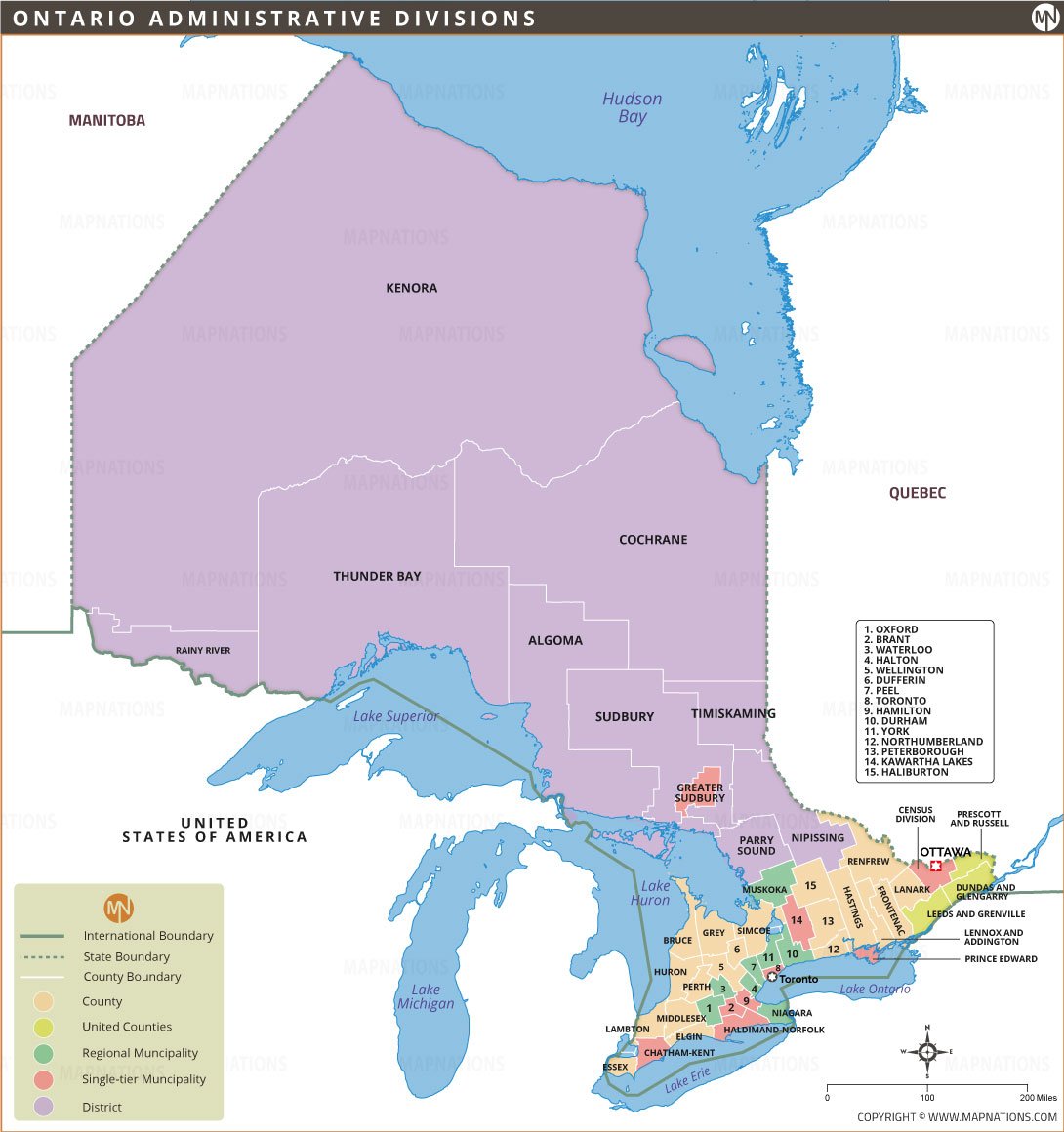
Many people assume that Toronto is the capital of Canada, but Ontario isn't the nation's capital city. Ottawa holds that designation as the political heart of the country, while Toronto serves as the capital of Ontario and the nation's economic powerhouse. This distinction confuses many international visitors and domestic residents alike, primarily because economic prominence and political power rarely live in the same municipality.
When you look at federal democracies around the world, separating the financial hub from the seat of government is a common design. Just as New York isn't the capital of the United States, Toronto doesn't house Parliament Hill. Understanding why Ottawa holds the title while Toronto dominates the cultural and financial landscape requires looking at 19th-century history, military strategy, and the mechanics of a federal state.
Historical Compromise and the Selection of Ottawa
The choice of Ottawa as Canada's capital wasn't random, nor was it based on population size or economic might. Before Confederation in 1867, the seat of government bounced between several cities in the Province of Canada, including Kingston, Montreal, Toronto, and Quebec City. Rivalries between English-speaking Upper Canada (now Ontario) and French-speaking Lower Canada (now Quebec) made settling on a permanent capital difficult.
In 1857, colonial legislators asked Queen Victoria to choose a permanent site. She selected Ottawa—then a rough-and-ready lumber town known as Bytown—for a few specific reasons: Analysts at Bloomberg have also weighed in on this situation.
- Geographic buffer: Major cities like Toronto and Montreal sat too close to the American border, making them vulnerable to military invasion. Ottawa sat further inland along the Ottawa River.
- Linguistic boundary: Ottawa straddled the border between Ontario and Quebec, sitting right on the linguistic fault line between English and French Canada.
- Neutral ground: Choosing neither Toronto nor Montreal prevented either major faction from feeling dominated by the other.
Historians note that this decision prioritized security and political stability over existing economic infrastructure. Ottawa had to be built up from a small timber community into a grand government town, complete with Gothic Revival Parliament buildings.
The Divided Roles of Toronto and Ottawa
Canada operates with a clear division between administrative governance and commercial enterprise. Ottawa functions primarily as a public sector hub, while Toronto drives the private sector economy.
Ottawa hosts the core institutions of federal power. The federal government, crown corporations, and foreign embassies employ a massive portion of the local workforce. You can check the official structure of the federal government through the Parliament of Canada website. Life in Ottawa revolves around public policy, diplomacy, and parliamentary sessions.
Toronto takes a different path. As the capital of Ontario, it houses the provincial legislature at Queen's Park, but its global identity comes from finance, technology, media, and manufacturing. Canada's major banks, stock exchanges, and multinational headquarters call Toronto home. Because global media and entertainment industries concentrate heavily in Toronto, international audiences frequently mistake its commercial visibility for national political dominance.
Common Misconceptions About Canadian Governance
Several persistent myths surround Canada's capital structure. Clearing these up helps explain why administrative geography matters.
- Myth: The largest city is always the capital. People often apply the logic of unitary states to a federation. In countries like the United Kingdom or France, the largest city and the capital are identical. Federations like Canada, Australia, and the US deliberately separate these functions.
- Myth: Ontario governs the national capital. While Ottawa sits within the geographic boundaries of the province of Ontario, municipal and provincial laws do not dictate federal jurisdiction. The National Capital Commission manages federal lands and planning in the region to ensure it serves all Canadians fairly. You can review federal planning mandates via the National Capital Commission.
- Myth: The capital can easily be moved. Changing the national capital requires a constitutional amendment, which demands an extraordinarily high level of political consensus across all provinces. Given the deep historical roots and massive investment in Ottawa's infrastructure, moving the capital isn't on the political horizon.
Frequently Asked Questions
Why do tourists often think Toronto is Canada's capital?
Toronto is Canada's largest city, its financial center, and a major hub for international media, film festivals, and tourism. Because it appears so frequently in global pop culture, people naturally equate its size and fame with political capital status.
Is Ottawa the capital of Ontario as well as Canada?
No. Ottawa is the capital of Canada, but Toronto is the capital of the province of Ontario. Ottawa houses federal parliamentarians, while Toronto houses the Ontario provincial legislature.
Can the federal government make laws without Ottawa?
While modern technology allows politicians to work remotely during emergencies, physical governance, parliamentary votes, and state ceremonies officially center on Ottawa. The physical architecture of Parliament Hill remains the constitutional anchor of the country.
Does Ottawa have industries outside of government work?
Yes. While public administration forms the backbone of Ottawa's economy, the city has evolved into a major technology cluster, often referred to as "Silicon Valley North," alongside strong tourism and higher education sectors.



