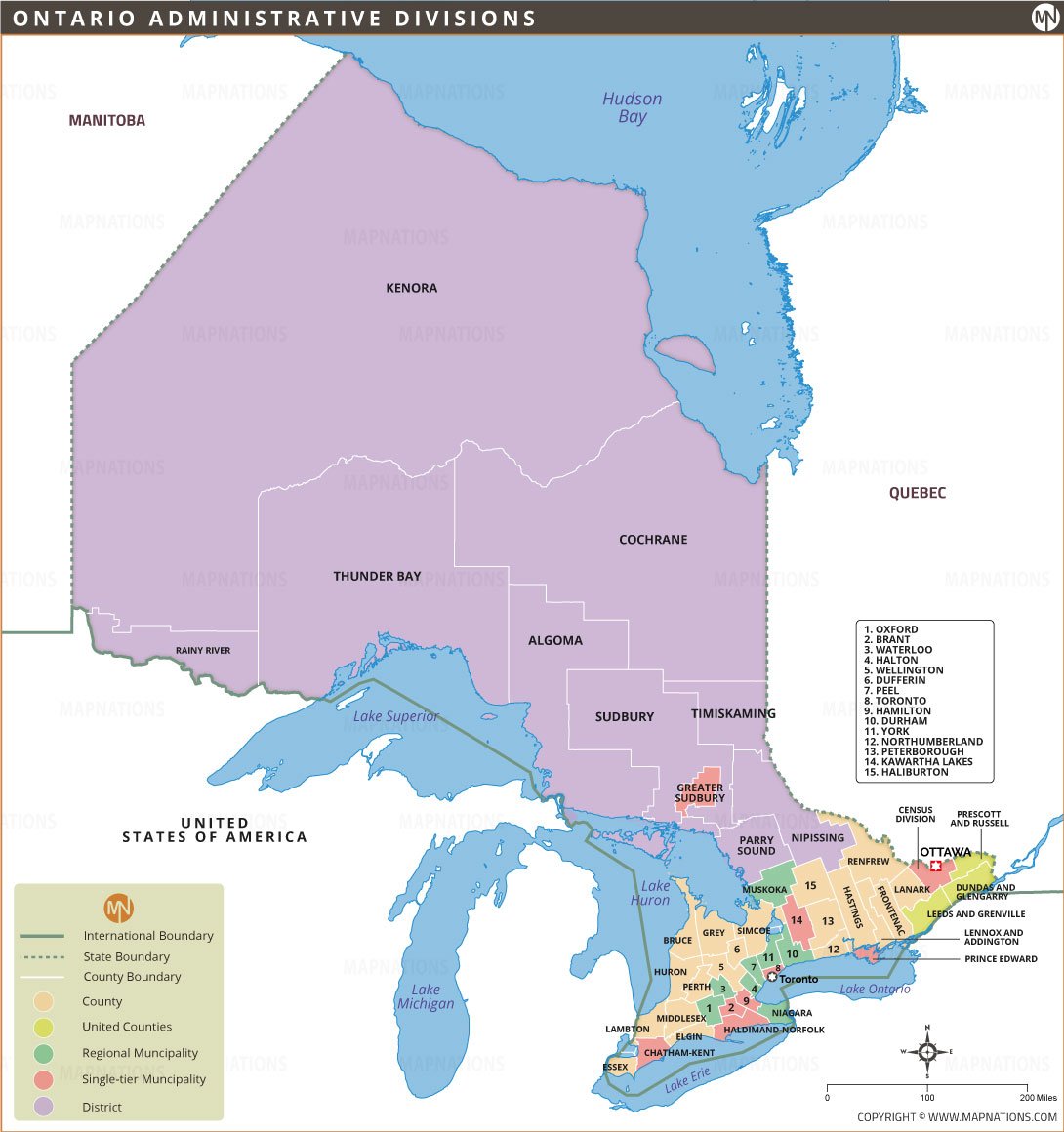
When booking flights to Southern California, travelers frequently encounter the three-letter aviation identifier ONT. This code stands for Ontario International Airport, situated in the city of Ontario within San Bernardino County. Many first-time flyers mistakenly assume the airport serves Ontario, Canada, leading to costly booking errors. ONT sits approximately 38 miles east of downtown Los Angeles, serving as a convenient alternative to LAX for residents and visitors across the Inland Empire.
Understanding the history, layout, and operational details behind this airport code prevents common travel mix-ups. ONT functions as a primary commercial gateway and a massive air cargo hub for major logistics carriers like UPS and FedEx.
History Behind the ONT Code
The airfield's aviation roots stretch back to 1923 when local pilots used a small plot known as Latimer Field. The City of Ontario purchased the property in 1929, transforming it into the municipal airport. Commercial operations expanded rapidly following World War II, prompting a name change to Ontario International Airport in 1946.
For decades, the facility operated under the administrative umbrella of Los Angeles World Airports (LAWA), the same agency running LAX. During this period, the facility was frequently branded as LA/Ontario International Airport. Local leaders campaigned for years to regain independent control, arguing that regional needs were being overlooked. In 2016, control officially returned to local hands via the Ontario International Airport Authority. Following the transition, airport management dropped the "LA" prefix to establish a distinct regional identity, though the ONT code remained permanent. To read more about the background here, AFAR provides an excellent breakdown.
ONT Terminal Layout and Navigation
Navigating Ontario International is straightforward compared to sprawling coastal hubs, but its layout harbors a minor quirk that confuses arriving passengers. The airport features two active passenger facilities: Terminal 2 and Terminal 4.
Flyers often wonder why Terminals 1 and 3 do not exist. When LAWA planned a massive multi-phase expansion in the late 1990s, the blueprint accounted for future structures that were never built after local control reverted to the city. Today, passengers walk between the two existing terminals via a covered outdoor sidewalk on the landside (pre-security) area. Once you clear TSA security checkpoints, Terminal 2 and Terminal 4 are entirely separated.
- Terminal 2: Handles carriers including American Airlines, Alaska Airlines, Delta Air Lines, United Airlines, Frontier Airlines, and Volaris.
- Terminal 4: Dedicated entirely to Southwest Airlines, which operates the highest volume of passenger traffic at the airport.
Check your boarding pass carefully before joining a security line. Walking into the wrong terminal building means exiting back outside to cross over to the correct checkpoint.
Airlines and Major Destinations
ONT connects the Inland Empire to dozens of domestic and international destinations. Major network carriers provide frequent service to crucial hubs, while low-cost operators link Southern California to leisure markets across the United States.
- Southwest Airlines: Operates dozens of daily flights to cities like Las Vegas, Denver, Phoenix, Chicago Midway, and Austin.
- Legacy Carriers: American, Delta, and United connect passengers directly to primary hubs such as Dallas-Fort Worth, Atlanta, Salt Lake City, and San Francisco.
- International Carriers: Volaris connects passengers to Mexican destinations like Guadalajara, while carriers like China Airlines and Starlux Airlines offer long-haul routes to Taipei.
Beyond passenger service, ONT functions as a massive economic powerhouse. It operates as the primary West Coast air and truck hub for UPS Airlines, alongside extensive operations for FedEx Express and Amazon Air.
Ground Transportation and Parking
Getting to and from ONT requires planning depending on your starting point in the Greater Los Angeles region. The facility sits immediately adjacent to Interstate 10 and Interstate 15, making vehicular access direct.
- Parking Options: Several economy, daily, and hourly parking lots sit within walking distance of Terminals 2 and 4. Advance reservations via the official airport parking site often secure lower daily rates.
- Ride-Hailing and Taxis: Designated pickup zones for Uber, Lyft, and local taxis are clearly marked outside baggage claim areas in both terminals.
- Public Transit: Omnitrans bus routes connect the airport to local Metrolink commuter rail stations, linking travelers to regional train networks.
Frequently Asked Questions
Is ONT the same airport as LAX?
No. ONT is located in Ontario, California, roughly 38 miles east of downtown Los Angeles. LAX sits directly on the coast in Westchester. While both handle Southern California air traffic, they are entirely separate facilities managed independently.
Why do people confuse ONT with Canada?
The three-letter code ONT matches the first three letters of the Canadian province of Ontario. Travelers booking cheap flights online occasionally select the wrong destination, confusing the Southern California airport with airports in Toronto or Ottawa. Always verify the airport name and city before finalizing tickets.
How early should I arrive for a flight at ONT?
Because security lines are generally shorter than those at mega-hubs like LAX, arriving 90 minutes before domestic departures is typically sufficient. For international flights, arriving two hours prior ensures smooth baggage check and document verification.
Does ONT have international flights?
Yes. While domestic routes make up the majority of traffic, carriers provide scheduled nonstop service to destinations in Mexico, Central America, and Asia. Federal Inspection Services (FIS) facilities handle customs and border clearance on-site.


