Online real estate platforms changed how people buy, sell, and price homes. Twenty years ago, finding a property meant calling a local broker, driving past physical signboards, or waiting for Sunday print flyers. Today, massive digital portals put national inventory, automated valuation models, and neighborhood statistics into the palm of any smartphone owner. This shift altered the balance of information between buyers, sellers, and traditional brokerage firms.
Online real estate platforms shifted property search from an exclusive, gatekept process into a transparent, self-serve market. This evolution changed agent commission structures, listing visibility, and how buyers evaluate home values before ever stepping inside a front door.
How Digital Portals Altered Property Discovery
The earliest transformation happened in search transparency. Traditional Multiple Listing Services (MLS) systems remained restricted to licensed brokers for decades. When consumer-facing websites aggregated these listings into public databases, the dependency on agents for basic market reconnaissance dropped dramatically.
- Instant Inventory Access: Buyers filter homes by square footage, school districts, and specific neighborhood boundaries in seconds rather than waiting for weekly brokerage updates.
- Automated Valuations: Algorithms generate instant property estimates based on historical transaction data and public tax records.
- Geospatial Mapping: Interactive maps let users draw custom search boundaries and check commute times, local amenities, and flood zones simultaneously.
This immediate access to data means buyers arrive at first showings with a baseline understanding of local inventory that used to require months of agent consultations.
The Shift in Pricing Power and Valuation Transparency
Property valuation used to sit firmly in the hands of local listing agents who controlled comparable market analysis reports. Online platforms introduced algorithmic valuation models—such as the Zillow Home Value Index (ZHVI) and individual property estimates—which changed pricing dynamics.
While automated estimates often spark debate regarding accuracy, they provide a standardized baseline for home values across entire metropolitan areas. Sellers now check digital estimates before interviewing listing agents, making pricing conversations more data-driven. If a home is priced significantly above its automated valuation range, sellers must justify the premium with specific property upgrades that algorithms miss.
Impact on Real Estate Agent Roles
Many early industry analysts predicted that digital property platforms would eliminate the need for traditional real estate agents entirely. Instead, the role evolved. Agents moved away from acting as informational gatekeepers and toward functioning as strategic advisors, contract negotiators, and local market fixers.
- From Information Provider to Strategist: Because clients already view photos, floor plans, and tax histories online, agents spend less time showing random homes and more time structuring competitive offers.
- Lead Generation Costs: Brokerages and individual agents now allocate substantial marketing budgets to digital platforms to capture high-intent buyers and sellers browsing online listings.
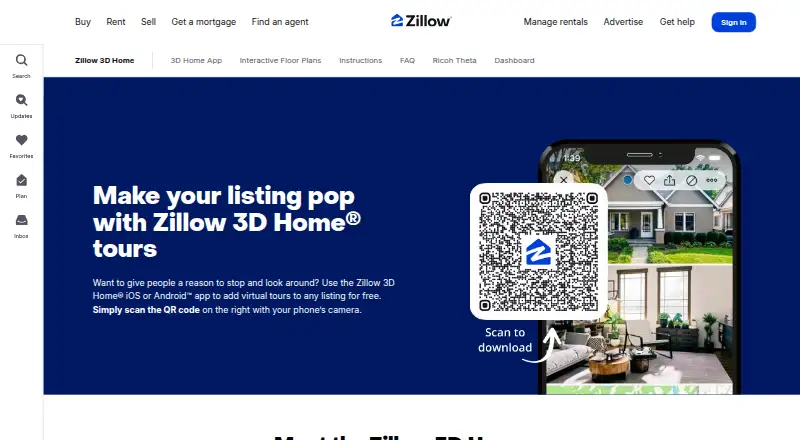
- Virtual Tours and Remote Transactions: Digital platforms integrated 3D walkthroughs, digital signatures, and virtual staging, allowing out-of-market buyers to purchase homes without physical visits.
According to data tracked by industry sources like Zillow Research, digital tool adoption directly correlates with how quickly properties move from active listings to pending sales in competitive metropolitan regions.
Common Misconceptions About Online Property Portals
As proptech matured, several myths developed regarding what digital tools can accomplish. Understanding these limitations prevents costly mistakes during transactions.
- Algorithms Are Appraisals: Automated home estimates are statistical approximations, not professional appraisals. They frequently miss interior renovations, structural damage, or unique architectural features.
- All Inventory Appears Simultaneously: While major platforms aggregate vast amounts of data, minor regional brokerages or private pocket listings may experience delays before appearing on consumer-facing portals.
- Platforms Replace Legal Due Diligence: Viewing a clean digital listing does not replace title searches, physical home inspections, or zoning verifications.
Frequently Asked Questions
Do online real estate platforms replace traditional real estate agents?
No. While they replace the traditional gatekeeping of listing data, agents remain essential for contract negotiation, managing complex escrow timelines, and navigating local legal requirements.
How accurate are automated home value estimates?
They serve as a general baseline. They work well in uniform suburban neighborhoods with frequent sales, but struggle to value custom homes, rural properties, or rapidly shifting market conditions accurately.
Why do list prices sometimes differ from online estimates?
Sellers and listing agents set prices based on current local competition, immediate seller motivation, and specific upgrades that public algorithms cannot parse from tax records alone.
How do online platforms make money if searching is free for consumers?
Most platforms monetize through agent advertising fees, preferred lender partnerships, mortgage origination services, and data licensing agreements sold to financial institutions and analysts.


