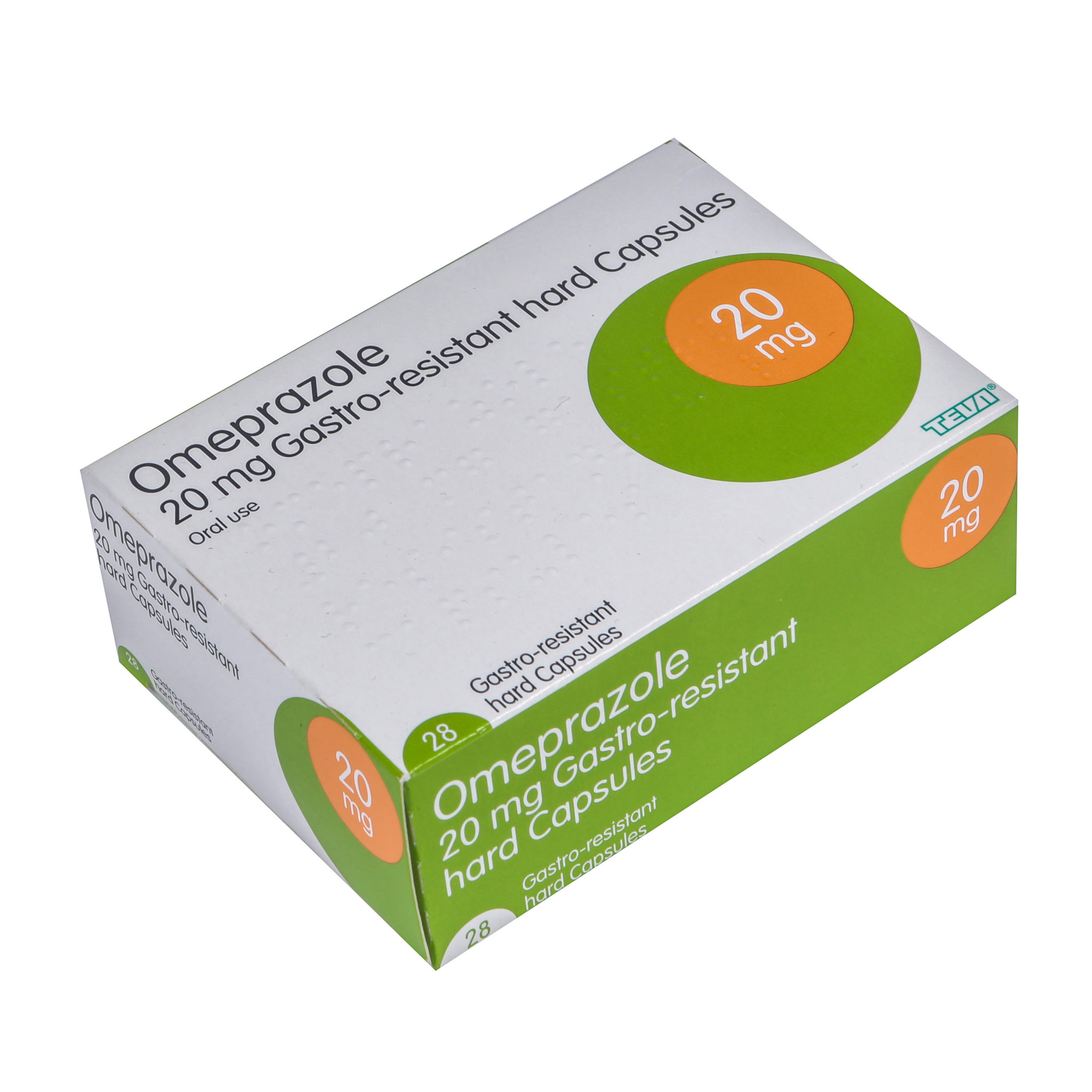
Managing severe acid-related upper gastrointestinal conditions requires understanding how high-strength antisecretory medications function. Omeprazole 40 mg is a prescription-strength proton pump inhibitor prescribed when standard lower doses fail to control persistent symptoms or mucosal damage. It alters gastric acid production at the cellular level, bringing relief to millions dealing with severe acid reflux, ulcers, and hypersecretory states.
People frequently encounter this medication when over-the-counter options stop working. Knowing how it acts, why a high dose is prescribed, and what safety profiles to monitor helps patients and caregivers manage treatment plans safely.
Cellular Mechanics: How Omeprazole 40 mg Works
To understand why this medication stops acid effectively, you have to look inside the stomach lining. Parietal cells in the gastric mucosa contain an enzyme system known as the hydrogen-potassium adenosine triphosphatase, or the proton pump. This pump is the final step in secreting hydrochloric acid into the stomach lumen.
When you swallow a dose, it passes through the stomach and absorbs primarily in the small intestine, entering the bloodstream to reach the parietal cells. The drug accumulates in the acidic secretory canaliculi of these cells, where it transforms into its active form. This active sulfenamide binds irreversibly to the proton pump, shutting it down.
Because the inhibition is covalent and irreversible, the parietal cell must synthesize new proton pumps to resume acid secretion. This mechanism provides prolonged acid suppression, typically lasting well beyond the presence of the drug in the bloodstream. A 40 mg dosage maximizes this shutdown, blocking a higher percentage of active pumps compared to standard 10 mg or 20 mg strengths.
Primary Clinical Indications
Not everyone with occasional heartburn needs this strength. Clinicians reserve this high dose for specific, severe gastrointestinal disorders where mucosal healing or heavy acid suppression is necessary.
- Severe Erosive Esophagitis: Chronic acid damage causes the lining of the esophagus to erode and bleed. High-dose suppression creates an environment where tissue repair can occur.
- Zollinger-Ellison Syndrome: This rare condition involves tumors (gastrinomas) in the pancreas or duodenum that secrete massive amounts of gastrin, forcing the stomach to produce dangerous quantities of acid.
- Refractory Peptic Ulcer Disease: Stomach or duodenal ulcers that do not respond to standard therapy or lifestyle changes often require this dosage, sometimes alongside antibiotics to clear Helicobacter pylori bacteria.
- NSAID-Associated Ulcers: Long-term use of nonsteroidal anti-inflammatory drugs damages the stomach lining. This medication heals existing ulcers and prevents new ones while continuing necessary anti-inflammatory therapy.
Efficacy and Therapeutic Timeline
Relief doesn't happen the exact second the pill dissolves. While acid secretion drops rapidly within the first hour of the first dose, full symptom resolution takes time. Maximum antisecretory effect typically builds over four days of daily dosing.
For erosive esophagitis, clinical trials show high rates of healing after four to eight weeks of continuous treatment. If healing is incomplete, physicians often extend the course for another four weeks.
However, long-term continuous use requires regular clinical evaluation. The human body naturally responds to profound acid suppression by increasing gastrin production, a phenomenon called hypergastrinemia. When patients stop taking the drug abruptly after months of continuous use, they can experience rebound acid hypersecretion, where acid production temporarily spikes higher than before treatment, mimicking a relapse of the original symptoms. Tapering under medical supervision helps avoid this trap.
Safety Profile and Long-Term Considerations
While generally well-tolerated for short-term courses, taking a high-potency acid suppressant long-term introduces specific physiological risks that require monitoring.
- Nutrient Malabsorption: Stomach acid plays a vital role in releasing and absorbing certain micronutrients. Long-term suppression can impair the absorption of vitamin B12, iron, and calcium, potentially raising the risk of bone fractures with extended use over years.
- Hypomagnesemia: Low blood magnesium levels are a rare but serious adverse effect associated with proton pump inhibitors used for longer than three months. Symptoms include muscle cramps, irregular heartbeats, and tremors.
- Gut Microbiome Shifts: Lowering stomach acidity alters the natural barrier against ingested pathogens. This shift can modestly increase susceptibility to enteric infections, such as Clostridioides difficile.
Drug interactions also warrant caution. Because the liver enzyme CYP2C19 metabolizes the drug, it can interfere with other medications processed by the same pathway, such as certain antiplatelet agents or blood thinners. Always review a complete medication list with a pharmacist or doctor before starting treatment.
Practical Usage Guidelines
Maximizing the benefit of this medication involves proper administration technique. Take the capsule or tablet once daily, preferably in the morning about 30 to 60 minutes before the first meal of the day. Food stimulates the proton pumps, making them active and vulnerable to the drug's mechanism.
Swallow the dose whole with a glass of water. Never crush, chew, or split delayed-release formulations, as doing so destroys the protective enteric coating designed to shield the active ingredient from stomach acid before it reaches the small intestine. If you miss a dose, take it as soon as you remember, unless it's almost time for the next scheduled dose. Never double up to make up for a missed pill.
For official prescribing guidelines and safety alerts, consult resources like the U.S. Food and Drug Administration or the National Institutes of Health.
Frequently Asked Questions
Can I open the capsule and mix it with food if I can't swallow pills?
Some formulations allow capsules to be opened and mixed into a small amount of acidic food like applesauce, but you must swallow the mixture immediately without chewing the granules. Check the specific product labeling or ask your pharmacist to confirm if your exact prescription permits this.
Why is my prescription 40 mg instead of over-the-counter strengths?
Over-the-counter options typically max out at lower doses for short-term, self-treated heartburn. A 40 mg strength treats pathological hypersecretion or severe tissue damage that requires intensive, physician-monitored healing protocols.
How long can I safely stay on this dosage?
The duration depends entirely on the underlying condition. Ulcers and erosive esophagitis usually require 4 to 8 weeks. Chronic conditions like Zollinger-Ellison syndrome require long-term maintenance under strict medical supervision to balance benefits against potential long-term risks.
Does this medication cure acid reflux permanently?
It heals the tissue damage and controls the symptoms, but it doesn't fix the underlying mechanical cause, such as a weak lower esophageal sphincter. Symptoms often return once the medication is stopped unless lifestyle modifications or surgical options are addressed.
What should I do if I experience severe diarrhea while taking this?
If you develop watery diarrhea that doesn't improve, severe stomach pain, or fever, contact your doctor promptly. This can be a sign of an intestinal infection linked to altered gut flora and requires medical evaluation.



