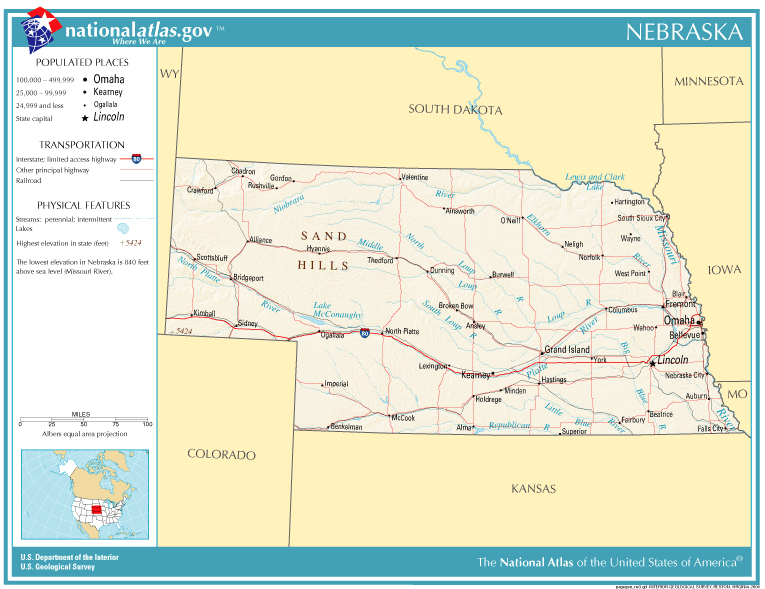
As Nebraska's largest municipality, Omaha anchors an economic and cultural core that extends far beyond its Midwestern borders. With a population approaching 500,000 within city limits and over one million in the broader metropolitan statistical area, the city serves as a primary regional powerhouse. Its dominance isn't an accident of geography alone; it stems from a century-and-a-half evolution from a frontier trading post into a sophisticated nexus of finance, logistics, tech, and healthcare.
Understanding Omaha means looking past the surface-level tropes of the Great Plains. The city fuses corporate strength—housing multiple Fortune 500 headquarters—with a distinct cultural identity rooted in working-class grit and modern reinvention. Whether you're analyzing urban migration patterns or regional market expansion, examining how Omaha grew helps explain why it remains the undisputed economic engine of the state.
Historical Roots and the Gateway to the West
Omaha started in 1854 on the western banks of the Missouri River. Promoters and speculators recognized the location's potential as a jumping-off point for westward expansion. Early steamboat traffic coupled with the establishment of the Union Pacific Railroad cemented the city's nickname as the "Gateway to the West".
Railroads changed everything. By connecting eastern markets to nascent western settlements, Omaha transformed into a high-volume freight and wholesale hub. Soon after, the livestock and meatpacking industries took root, rivaling Chicago for national dominance during the late nineteenth and early twentieth centuries. The Omaha Stockyards processed millions of animals, drawing waves of diverse immigrants and internal migrants who shaped the city's foundational neighborhoods, including South Omaha.
This industrial foundation established a pattern of pragmatic resilience. When traditional meatpacking and heavy manufacturing declined nationally in the latter half of the twentieth century, local leaders didn't let the urban core stagnate. Instead, they engineered a pivot toward service sectors, insurance, transportation logistics, and telecommunications.
Economic Diversification and Corporate Muscle
Omaha's modern identity relies heavily on a remarkably stable and diversified economy. While many Midwestern industrial towns struggled to replace manufacturing jobs, Omaha systematically built a corporate ecosystem that attracts national talent.
Several distinct pillars drive the local economy today:
- Finance and Insurance: Major institutions like Mutual of Omaha and financial powerhouses anchor a robust white-collar workforce. Furthermore, the city gained global financial fame as the lifelong home of Warren Buffett and his holding company, Berkshire Hathaway, drawing investors worldwide to the annual shareholder meeting.
- Transportation and Logistics: Union Pacific maintains its massive corporate headquarters downtown, keeping the city at the center of North American rail freight networks. Eppley Airfield handles steady regional air cargo and passenger growth.
- Healthcare and Biotechnology: The University of Nebraska Medical Center functions as a premier research institution and a massive regional employer, driving life sciences innovation and specialized medical care.
- Technology and Telecommunications: Long before modern tech hubs emerged in secondary markets, Omaha leveraged its early investments in fiber-optic infrastructure, attracting massive data centers and tech-forward operations like the Gallup Organization.
This multi-industry cushion keeps unemployment rates lower than the national average during economic downturns, protecting the city from single-sector shocks.
Urban Expansion and Neighborhood Dynamics
Physical growth in Omaha has followed a distinct westward trajectory. For decades, residential and commercial development pushed past downtown toward West Omaha, creating sprawling suburban master-planned communities, retail centers, and corporate office parks.
However, the twenty-first century brought a powerful counter-movement: downtown revitalization. City planners and private investors poured billions into the urban core. The transformation of the riverfront, highlighted by the Gene Leahy Mall, Heartland of America Park, and the iconic Bob Kerrey Pedestrian Bridge connecting Nebraska to Iowa, redefined downtown life.
Historic districts like the Old Market blend preserved nineteenth-century brick warehouses with loft apartments, independent galleries, and craft dining spots. This balancing act—maintaining a thriving suburban perimeter while creating an energetic, walkable urban center—gives Omaha a dual identity that appeals to both young professionals and families.
Demographic Shifts and Cultural Identity
Omaha's cultural profile is far more diverse than outsiders often realize. While historic European immigrant populations established deep roots generations ago, newer waves of migration have continuously reshaped the demographic fabric.
North and South Omaha remain vibrant historical and cultural centers. South Omaha, in particular, features a thriving Hispanic community that revitalized local commercial corridors with small businesses, grocers, and restaurants. This cultural infusion manifests across the city's public school systems, community festivals, and arts programs.
Cultural assets punch well above the city's weight class. The Henry Doorly Zoo and Aquarium consistently ranks among the best zoos globally, drawing millions of annual visitors. Institutions like the Joslyn Art Museum and the Holland Performing Arts Center anchor a strong regional arts scene, proving that the city's identity extends far beyond commerce.
Common Misconceptions About Omaha's Rise
People unfamiliar with the region often misunderstand how Nebraska's largest city operates within the broader American landscape.
A common myth casts Omaha as a sleepy, isolated agricultural town. In reality, its GDP per capita, educational attainment rates, and corporate density mirror major coastal hubs, minus the extreme cost-of-living penalties. Another misconception assumes urban growth comes at the expense of community cohesion; instead, local philanthropy and civic engagement remain central to the city's civic culture.
Navigating the local real estate market or setting up a regional business here requires recognizing these realities. It's an accessible market where infrastructure keeps pace with expansion, avoiding the chronic gridlock plaguing larger coastal metros.
Frequently Asked Questions
What makes Omaha the largest city in Nebraska?
Omaha's population size stems from its historical role as a nineteenth-century transportation hub, combined with aggressive nineteenth and twentieth-century annexations and a diversified modern economy that continuously attracts regional migration.
How does Omaha's economy differ from the rest of Nebraska?
While the rest of the state relies heavily on agricultural production and rural farming communities, Omaha functions as a diversified metropolitan service economy driven by finance, healthcare, insurance, and corporate logistics.
Is Omaha a good place for young professionals and families?
Yes. The city combines a robust job market, a median household income competitive with national averages, shorter average commute times, and affordable housing options compared to primary coastal markets.
What are the key architectural or landmark features of Omaha?
Key landmarks include the historic Old Market district, the Bob Kerrey Pedestrian Bridge spanning the Missouri River, the Durham Museum housed in a former Art Deco train station, and the world-class Henry Doorly Zoo.



