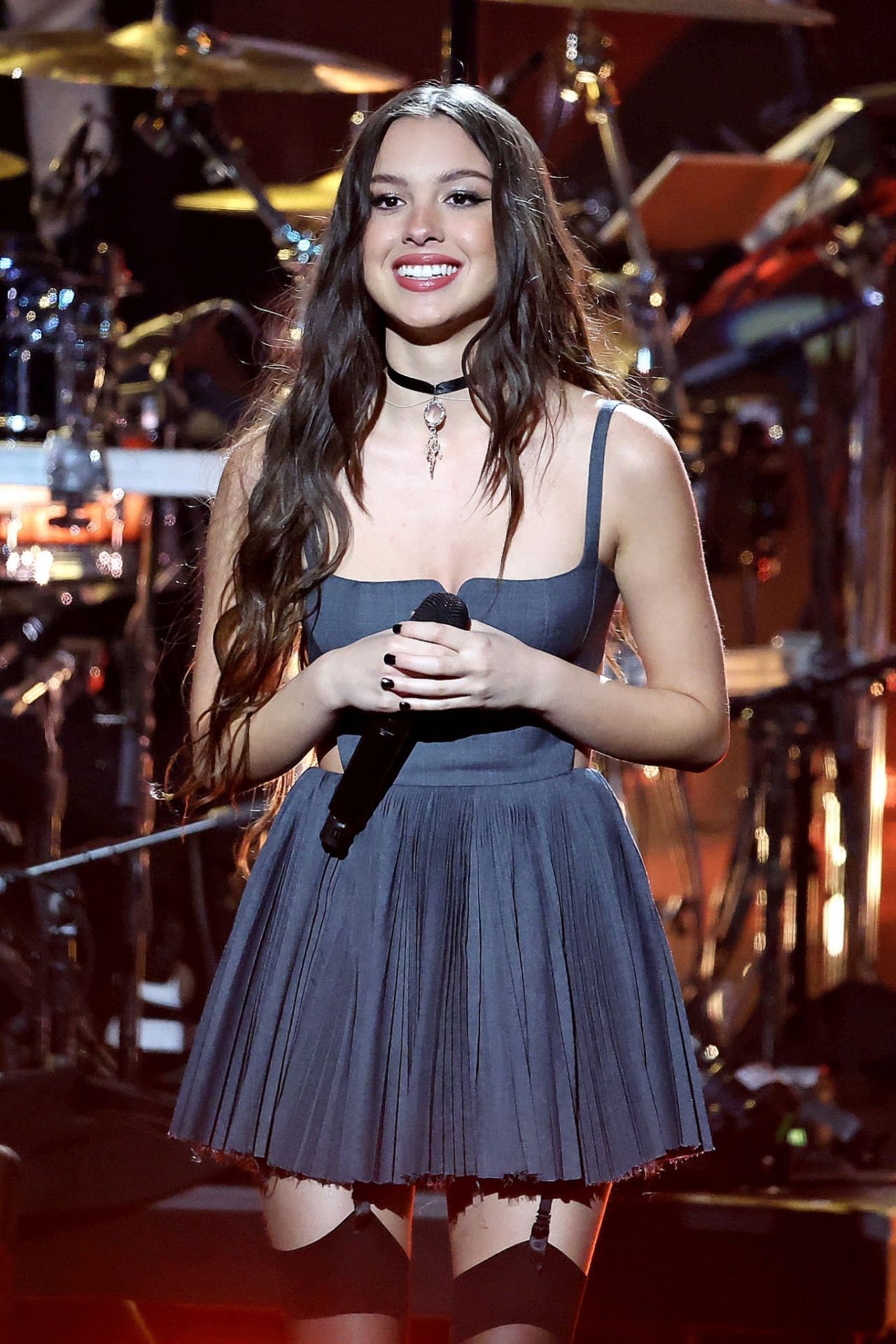
Olivia Rodrigo's ascent from a Disney Channel regular to a definitive voice of modern pop rests on a sharp blend of confessional songwriting and raw, guitar-driven arrangements. While her rapid transition into global stardom is well-documented, the roots of her identity and the specific evolution of her sound offer a deeper look into how she carved out a lasting cultural footprint. Far from being an overnight algorithm product, her trajectory reflects a deliberate push toward vulnerability, drawing heavily from her multi-ethnic background, family traditions, and a fierce commitment to songwriter-first integrity.
Understanding her path requires looking at both where she started and how her artistic identity developed across consecutive eras. Her background as a Filipino-American artist, combined with her upbringing in Southern California, shaped an artist who bridges classic confessional pop traditions with the rebellious edge of 1990s and 2000s rock. This piece examines the intersection of her heritage, her songwriting mechanics, and the ongoing evolution of her catalog.
Early Roots and Family Background
Born in Murrieta, California, Rodrigo grew up in a household where family history played a tangible role in daily life. Her father, a family therapist, comes from a family with deep roots in the Philippines; her great-grandfather immigrated to the United States as a teenager. Her mother, a schoolteacher, carries German and Irish ancestry.
These intersecting cultural threads meant that family gatherings often blended American traditions with Filipino customs. Rodrigo has frequently spoken about how her paternal great-grandfather's migration shaped her family's narrative, and how foods like lumpia remained staples at family celebrations.
When she entered the public eye as a child actor, her mixed heritage wasn't a central part of her Disney Channel marketing, which typically favored a standard teen-idol packaging. However, as she transitioned into music, she became an important figure of Asian-American representation in mainstream pop. Fans frequently point out how rare it was to see a Filipina-American artist headlining global charts, a milestone she has addressed with deep emotion, noting that she rarely saw performers who looked like her growing up.
The Shift From Child Actor to Songwriter
Many child stars struggle to make the creative leap into adult music markets because audiences tend to freeze them in their earliest television roles. Rodrigo bypassed this trap by treating songwriting as an absolute necessity rather than a branding exercise. Working closely with producer Dan Nigro, she rejected sanitized, assembly-line pop structures in favor of raw, diary-entry lyricism that prioritized emotional accuracy over polished perfection.
- Radical Honesty: Her breakout single "drivers license" didn't hide behind metaphor; it named specific streets, ages, and insecurities.
- Genre Fluidity: Instead of sticking to safe radio formats, she seamlessly toggled between sparse piano ballads and high-energy pop-punk.
- Instrumental Authority: By anchoring her performances with live piano and guitar, she established herself as an instrumentalist and writer rather than a hired-gun vocalist.
This refusal to conform to a single mold allowed her debut album SOUR to dominate global charts, setting a template for subsequent records like GUTS and later projects that leaned even further into alternative rock and folk textures.
Cultural Impact and Global Connection
As her career expanded internationally, Rodrigo actively connected her platform to her roots. A clear turning point occurred during her GUTS World Tour stop in Manila, where she performed to massive crowds and donated all net ticket proceeds to Jhpiego, a global health nonprofit focused on women's health in underserved regions.
This move highlighted a maturing artist who understood the weight of her cultural footprint. By choosing to direct financial support back into healthcare initiatives rather than standard promotional partnerships, she signaled that her heritage was an active commitment rather than a mere talking point for press cycles.
Her influence can be tracked across several key milestones:
- Representation in Media: Providing young Asian-American girls with a mainstream pop reference point who defies monolithic industry expectations.
- Philanthropic Alignment: Directing tour revenues toward grassroots maternal and reproductive health organizations.
- Revival of Live-Band Pop: Proving that audiences still crave organic instrumentation, distortion pedals, and unpolished human emotion on stadium stages.
Frequently Asked Questions
What is Olivia Rodrigo's ethnic background?
She is of mixed heritage. Her father is Filipino-American (with roots tracing back to her great-grandfather who emigrated from the Philippines), and her mother is of German and Irish descent.
How did her heritage influence her career?
While her early Disney acting roles didn't emphasize her background, her rise as a global music icon made her a prominent voice for Asian-American representation. She has celebrated her culture publicly, including supporting Filipino communities and health initiatives during her global tours.
What inspired her musical transition from television to rock-pop?
She grew up listening to alternative rock, folk, and classic singer-songwriters, which heavily influenced her desire to write her own music. Frustrated by the lack of creative independence in acting, she poured her personal experiences into acoustic and electric guitar-driven tracks that resonated universally.
What are some key milestones in her musical evolution?
Her trajectory includes record-breaking debut singles, Grammy wins, critical acclaim for blending pop-punk with intimate lyricism, and consistent artistic growth across multiple studio albums. You can read more about her official discography and background on Wikipedia.



