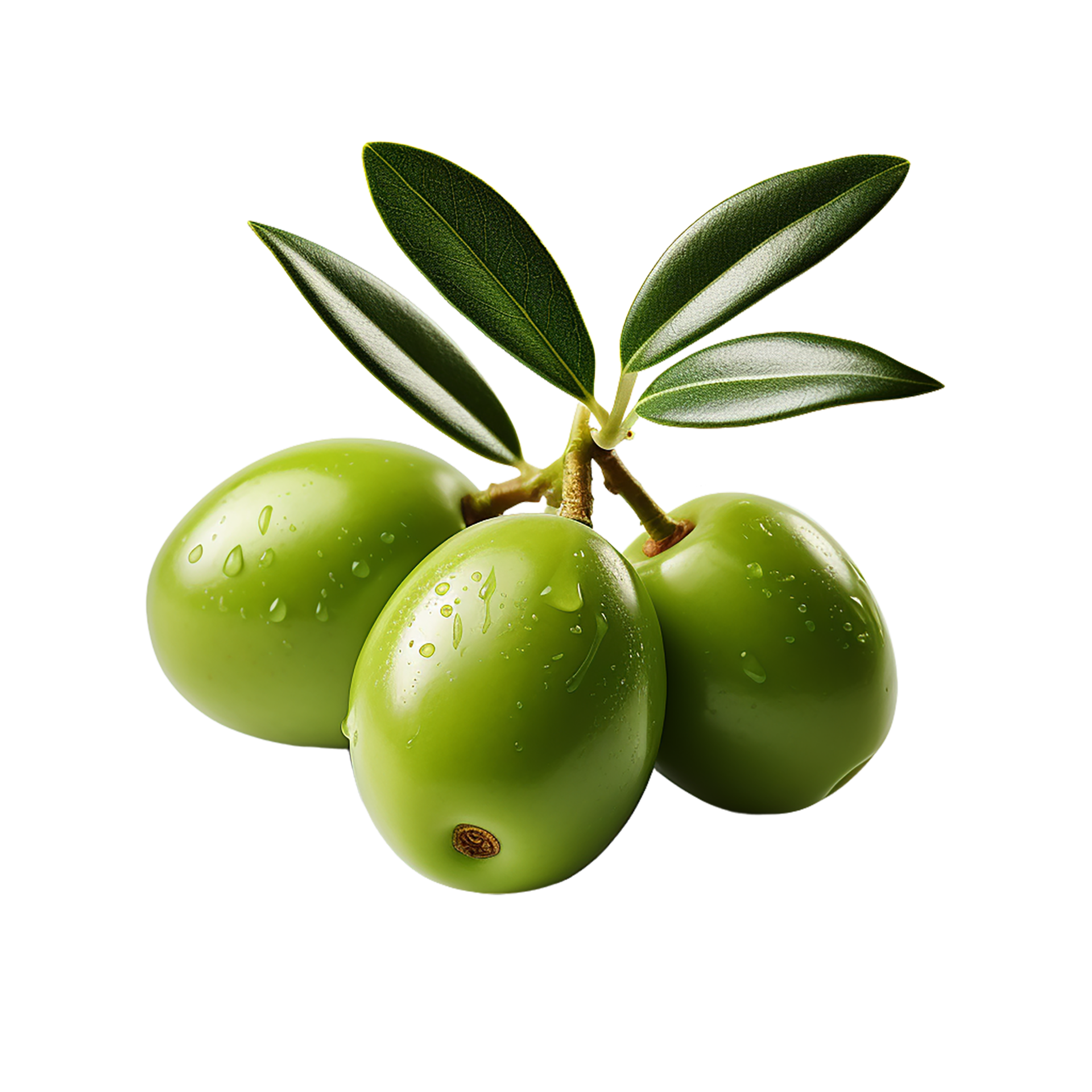
Does consuming olive oil actually lower your core body temperature, or is it just another wellness myth passed around online? If you've spent any time reading alternative health forums during a summer heatwave, you've likely seen claims that taking a spoonful of extra virgin olive oil cools you down.
The short answer is no. Olive oil has no direct thermodynamic property that lowers internal body heat, nor does it trigger physiological cooling mechanisms like sweating or vasodilation. While extra virgin olive oil is packed with healthy monounsaturated fats and powerful antioxidants such as oleocanthal, it won't act as an internal air conditioner when the temperature spikes.
Understanding how your body regulates heat helps clarify why food myths persist, how dietary fats actually interact with your metabolism, and what you can do instead to stay safe in high temperatures.
The Science of Thermoregulation
Your core internal temperature stays within a tight, tightly managed window, usually hovering around 37 degrees Celsius (98.6 degrees Fahrenheit). The hypothalamus in your brain acts as your body's internal thermostat, constantly monitoring signals from thermal receptors in your skin and blood.
When your internal temperature rises due to exercise, illness, or external heat, your body activates specific cooling mechanisms:
- Vasodilation: Blood vessels near the skin's surface widen, bringing warm blood from your core to the exterior so heat can radiate into the air.
- Sweating: Sweat glands secrete moisture onto your skin. As that moisture evaporates, it draws heat away from your body.
Eating or drinking certain foods can cause minor, temporary shifts in metabolic rate—a process known as diet-induced thermogenesis. High-protein foods, for example, require more energy to digest, which can temporarily increase internal heat production. Fats require less energy to process than proteins, but they still release energy as they metabolize. Consuming any calorie-dense food, including olive oil, creates a minor metabolic heat output rather than a cooling effect.
Where Did the Olive Oil Cooling Myth Come From?
Myths about cooling foods often stem from a misinterpretation of traditional medicine frameworks or a misunderstanding of anti-inflammatory properties.
In traditional Mediterranean and ancient wellness systems, foods were frequently categorized as "cooling" or "warming" based on how they made people feel or how they were used to treat symptoms like fevers or inflammation. For instance, oleocanthal—a natural phenolic compound found in fresh extra virgin olive oil—shares a pharmacological profile similar to ibuprofen. Because ibuprofen reduces fever by inhibiting inflammatory pathways, early herbalists and modern wellness bloggers conflated anti-inflammatory action with direct temperature reduction.
It's vital to separate systemic inflammation from thermal regulation. While reducing chronic inflammation supports overall immune health, it doesn't drop a healthy person's body temperature below normal baseline levels.
Dietary Fats and Heat Tolerance
While olive oil won't cool you down, it plays a valuable role in a balanced diet, even during hot weather. Heavy, greasy meals high in saturated fats can sluggishly digest, making you feel lethargic and uncomfortably warm during summer days.
In contrast, light Mediterranean meals featuring fresh vegetables, lean proteins, and cold-pressed extra virgin olive oil provide steady energy without overburdening your digestive tract. According to the Harvard T.H. Chan School of Public Health, replacing saturated fats with monounsaturated fats supports cardiovascular health and provides stable cellular nutrition.
If you're looking for dietary adjustments that genuinely help your body cope with heat, focus on hydration and electrolyte balance rather than specific cooking oils. Eating water-rich produce like cucumbers, watermelon, and leafy greens provides natural hydration and essential minerals that support your sweat response.
Practical Ways to Cool Your Body Down Safely
When temperatures soar, relying on unproven kitchen remedies wastes valuable time. Instead, use evidence-based tactics to manage heat stress effectively:
- Hydrate strategically: Drink cool water consistently throughout the day. If you're sweating heavily, replenish electrolytes with a balanced sports drink or coconut water.
- Apply external cooling: Place a damp, cool cloth on your neck, wrists, or forehead. These pulse points have blood vessels close to the skin, helping cool circulating blood quickly.
- Optimize airflow: Use electric fans alongside open windows during cooler evening hours, or create cross-ventilation in your living space.
- Wear breathable fabrics: Choose loose-fitting, light-colored clothing made from natural fibers like cotton or linen, which allow sweat to evaporate freely.
For official heat safety guidelines and heatwave advisories, check the UK Health Security Agency.
Frequently Asked Questions
Does olive oil help with menopausal hot flashes?
Some small studies suggest that diets rich in healthy fats and antioxidants may support overall hormonal balance, but there is no clinical proof that olive oil directly stops hot flashes or cools down sudden temperature spikes caused by menopause.
Can drinking cold olive oil lower a fever?
No. Fevers are immune responses triggered by pyrogens during infections. Olive oil does not contain pharmaceutical antipyretics in concentrations high enough to break a fever. Always consult a medical professional for persistent fevers.
What foods actually help lower body temperature?
Foods with high water content—such as celery, cucumbers, citrus fruits, and melons—help maintain hydration, which is essential for effective sweating and thermoregulation.
Does cooking with olive oil make you hotter?
Cooking with any oil adds heat to your kitchen environment, which can raise your ambient temperature. However, eating meals dressed with raw extra virgin olive oil has a negligible impact on your internal metabolic heat production.



