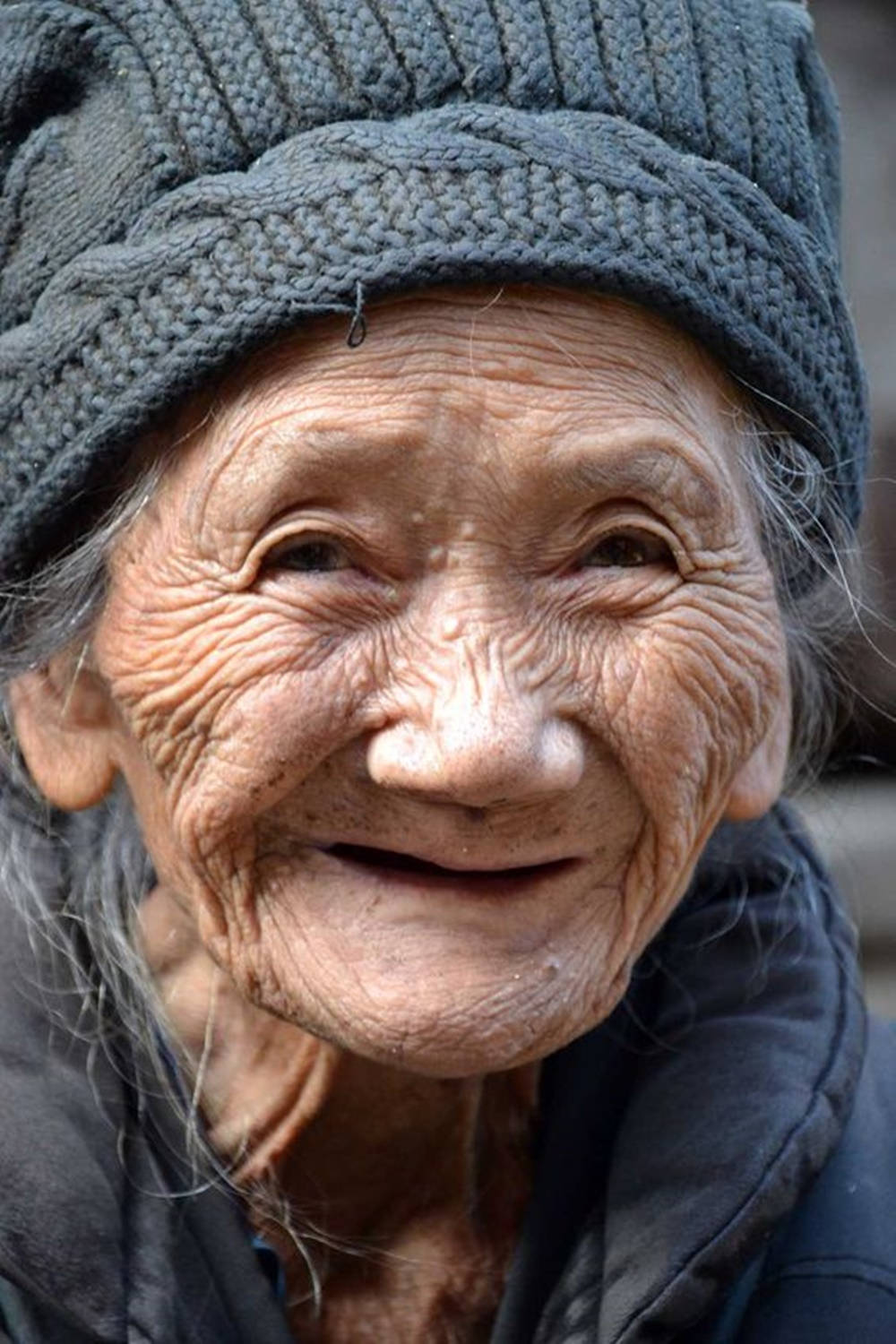
Internet humor often weaponizes hyper-specific imagery to mock cultural anxieties, and the viral "Old Joe Rogan" meme format is a textbook example of this phenomenon. By twisting a recognizable public figure into a caricature of hyper-aged vulnerability, internet communities exposed deep-seated collective insecurities about aging, physical decline, and the shifting definitions of modern masculinity. Instead of remaining a fleeting joke, this trend evolved into a fascinating study of how digital spaces process cultural stress.
Examining this meme requires looking past the surface-level absurdity. We need to dissect why this specific format resonated so widely, how it reflects public perceptions of aging public figures, and what it reveals about the psychological pressure cookpot of social media commentary.
Anatomy of the Old Joe Rogan Meme Trend
The meme typically features a heavily manipulated or digitally aged photo of podcast host Joe Rogan, paired with captions that blend absurd existential dread with deadpan fitness or lifestyle advice. Users weaponized the imagery to mock the intense obsession with biohacking, physical dominance, and constant self-optimization that characterizes modern fitness culture.
The humor relies on radical juxtaposition. Joe Rogan is culturally coded as an emblem of modern hyper-masculinity, physical fitness, and outspoken opinion. Turning him into a frail, paranoid senior citizen creates instant comedic whiplash. It subverts the archetype of the invincible alpha male, forcing audiences to confront the reality of physical decay that online fitness subcultures spend millions of dollars trying to outrun.
- Visual Distortion: Exaggerated wrinkles, gray hair, and frail posture.
- Text Contrast: Extreme philosophical exhaustion paired with mundane wellness habits.
- Subversive Intent: Mocking the obsession with eternal youth and peak performance.
Exposing Collective Insecurities About Aging and Masculinity
Modern digital culture places an exhausting burden on men to constantly optimize their health, career, and mental toughness. Podcasts, fitness influencers, and social media feeds preach a gospel of relentless self-improvement. The old Joe Rogan meme served as a collective psychological release valve against this relentless pressure.
When a cultural icon of hyper-masculinity is depicted as old and worn out, it taps into a shared fear of obsolescence. Men on social media use self-deprecating humor to cope with the reality that aging spares no one—not even multi-millionaire podcasters with access to the best health consultants in the world. It democratizes vulnerability through the medium of absurdist satire.
According to cultural commentary and sociological observations on internet humor, digital trends like this often emerge when public fatigue reaches a tipping point. People grow tired of rigid behavioral expectations and use caricature to fracture those expectations.
Why Internet Satire Targets Hyper-Visible Figures
Public figures who build their brands on intense personal philosophies make prime targets for meme culture. When someone spends decades telling millions of listeners how to live, eat, train, and think, they become a public canvas.
- Oversexposure: Constant media presence makes facial features and vocal patterns universally recognizable.
- Brand Contrast: A stark gap between a polished public persona and inevitable human aging.
- Participatory Culture: Fans and critics alike possess the digital tools to alter images within seconds.
This dynamic isn't isolated to one podcaster. Internet culture regularly turns hyper-visible public figures into symbols of larger societal transitions. The meme functions as an equalizer, reminding everyone that digital fame cannot buy immunity from time.
Common Misconceptions About Viral Meme Culture
Many casual observers misunderstand viral image trends, writing them off as simple cyberbullying or mean-spirited trolling. While malicious intent certainly exists in corners of the internet, phenomena like the aged-Rogan format operate more like digital folk art.
- Misconception 1: It stems from pure hatred. Most participants use the format as satirical commentary on wellness culture rather than personal animosity.
- Misconception 2: It damages reputations. Public figures with massive platforms rarely suffer reputational harm from absurdist memes; instead, it often signals cultural ubiquity.
- Misconception 3: It is entirely random. Viral templates only catch on when they strike a precise nerve regarding current social tensions.
Frequently Asked Questions
Where did the old Joe Rogan meme format originate?
The trend bubbled up across platforms like X (formerly Twitter), Reddit, and TikTok, where users experiment with AI-powered age-filter tools and creative image editing to generate surrealist comedy content.
Why do internet users target fitness influencers with satire?
Fitness and lifestyle influencers often promote unattainable standards of perpetual youth and vitality. Absurdist humor acts as a counterweight, helping audiences reject perfectionism through laughter.
Does meme saturation impact how public figures operate?
Most media personalities adapt by leaning into the joke or ignoring it entirely. Acknowledging internet humor often defunts its satirical power, which is why strategic silence or self-awareness usually wins online.
Are viral image trends regulated by copyright laws?
Most satirical memes fall under fair use doctrines regarding parody and commentary, though commercial exploitation of altered likenesses can occasionally cross legal boundaries.



