Oklahoma weather is famous for wild swings, where you can experience freezing winds in the morning and T-shirt weather by afternoon. Positioned where cold Canadian air masses collide with warm, moist air from the Gulf of Mexico, the state experiences distinct seasonal shifts that catch travelers and newcomers off guard. Whether you plan to explore cities or road trip through the plains, understanding what each month brings helps you pack right and stay safe.
The state's climate features four distinct seasons, but the transitions happen fast. Spring brings severe thunderstorms and tornadoes, summer delivers intense heat and humidity, autumn offers crisp relief, and winter introduces sudden freezes and occasional ice storms.
Winter: January and February
Winter in Oklahoma is erratic rather than consistently frigid. While long stretches of mild, sunny days occur, cold fronts known as blue northers can drop temperatures by 30 degrees in a matter of hours.
January
January stands as the coldest month of the year. Average daytime highs reach around 50°F (10°C), while overnight lows dip to 28°F (-2°C). Snow is possible, though accumulations rarely linger long. Winds can be fierce, making the air feel much colder. Packing layers, a windproof coat, and sturdy boots is essential if you visit during this month.
February
February brings early hints of change, though winter still holds influence. Daytime highs climb to 55°F (13°C), with lows averaging 32°F (0°C). Sleet and freezing rain sometimes materialize when northern cold fronts clash with Gulf moisture. Skies are often cloudiest during this period, but warm spells occasionally push temperatures past 70°F, offering a brief preview of spring.
Spring: March, April, and May
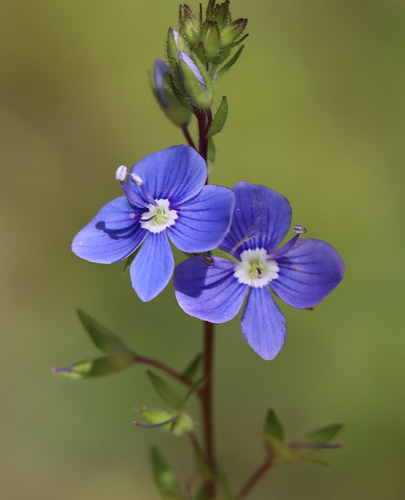
Spring marks the most volatile stretch of the year. This season brings the peak of Oklahoma's severe weather season, featuring high winds, large hail, and tornado risks, alongside beautiful fields of wildflowers.
March
March transitions rapidly from winter chill to spring warmth. Average highs reach 64°F (18°C) and lows settle around 41°F (5°C). Wind speeds peak during this month, fueling dry grass fires in western regions and driving fast-moving storm systems across the plains.
April
April offers some of the most pleasant days of the year, interrupted by severe weather outbreaks. Highs average 72°F (22°C) and lows hover near 48°F (9°C). Outdoor activities flourish during clear spells, but monitoring local forecasts remains critical as tornado activity ramps up across Tornado Alley.
May
May is the wettest month of the year, averaging over 5 inches of rainfall often delivered via heavy downpours and nighttime thunderstorms. Temperatures grow warmer, with highs near 80°F (27°C) and sticky humidity arriving toward the end of the month. Lush green landscapes peak during this period.
Summer: June, July, and August
Oklahoma summers are hot, humid, and prolonged. Once July arrives, daytime triple-digit heat indexes become common, particularly in central and southern parts of the state.
June
June bridges spring storms and heavy summer heat. Average highs hit 88°F (31°C) while lows stay near 67°F (19°C). Humidity climbs as moisture flows northward from the Gulf, creating muggy conditions that make outdoor exertion exhausting by midday. Afternoon pop-up thunderstorms offer brief relief.
July
July is the hottest month of the year. Temperatures regularly exceed 94°F (34°C), and overnight lows provide little cooling, staying around 71°F (22°C). Skies are typically clear and sunny, making sunscreen, hydration, and air conditioning absolute necessities for anyone spending time outdoors.
August
August mirrors July's intensity. Highs average 93°F (34°C) with high humidity persisting through the month. Relief finally arrives in late August as northern nights begin to lose their edge, though high-temperature records frequently fall during this month.
Autumn: September, October, and November
Autumn is widely considered the most comfortable season in Oklahoma. Humidity drops, severe weather decreases, and outdoor recreation peaks.
September
September retains late-summer warmth early on, with average highs of 85°F (29°C) and comfortable lows around 63°F (17°C). College football season kicks off under mostly sunny skies, and evening temperatures become ideal for outdoor events.
October
October delivers crisp, clear days with average highs of 74°F (23°C) and pleasant lows of 50°F (10°C). Rainfall is manageable, and fall foliage begins to turn across the eastern wooded hills, making this an ideal month for hiking and road trips.
November
November brings a sharp return to cooler conditions. Highs drop to 62°F (17°C) and lows fall to 39°F (4°C). Weather around Thanksgiving is unpredictable, ranging from mild sunshine to sudden winter blasts. Trees shed their remaining leaves as the state prepares for winter.
December
December closes out the year with cold, crisp conditions. Average highs reach 52°F (11°C) while lows dip to 30°F (-1°C). While white Christras events occur occasionally, most winter precipitation arrives as cold rain or light sleet rather than heavy snow.
To check live radar updates and active warnings across the state, consult the National Weather Service Norman office. For road conditions during winter storms, reference the Oklahoma Department of Transportation. To explore state parks during ideal weather windows, visit Travel Oklahoma.
Frequently Asked Questions
When is tornado season in Oklahoma?
While tornadoes can occur at any time, peak activity happens during April, May, and early June when warm Gulf moisture collides with cold dry air masses.
What is the rainiest month in Oklahoma?
May is historically the wettest month, averaging over 5 inches of precipitation driven by heavy spring thunderstorms.
How hot does it get during summer?
July and August are the hottest months, with regular daytime highs exceeding 90°F to 95°F and high humidity levels.
Is winter in Oklahoma very snowy?
Winter features cold temperatures and occasional ice or snow storms, but heavy snow accumulation is rare and winter weather tends to alternate with mild, sunny days.


