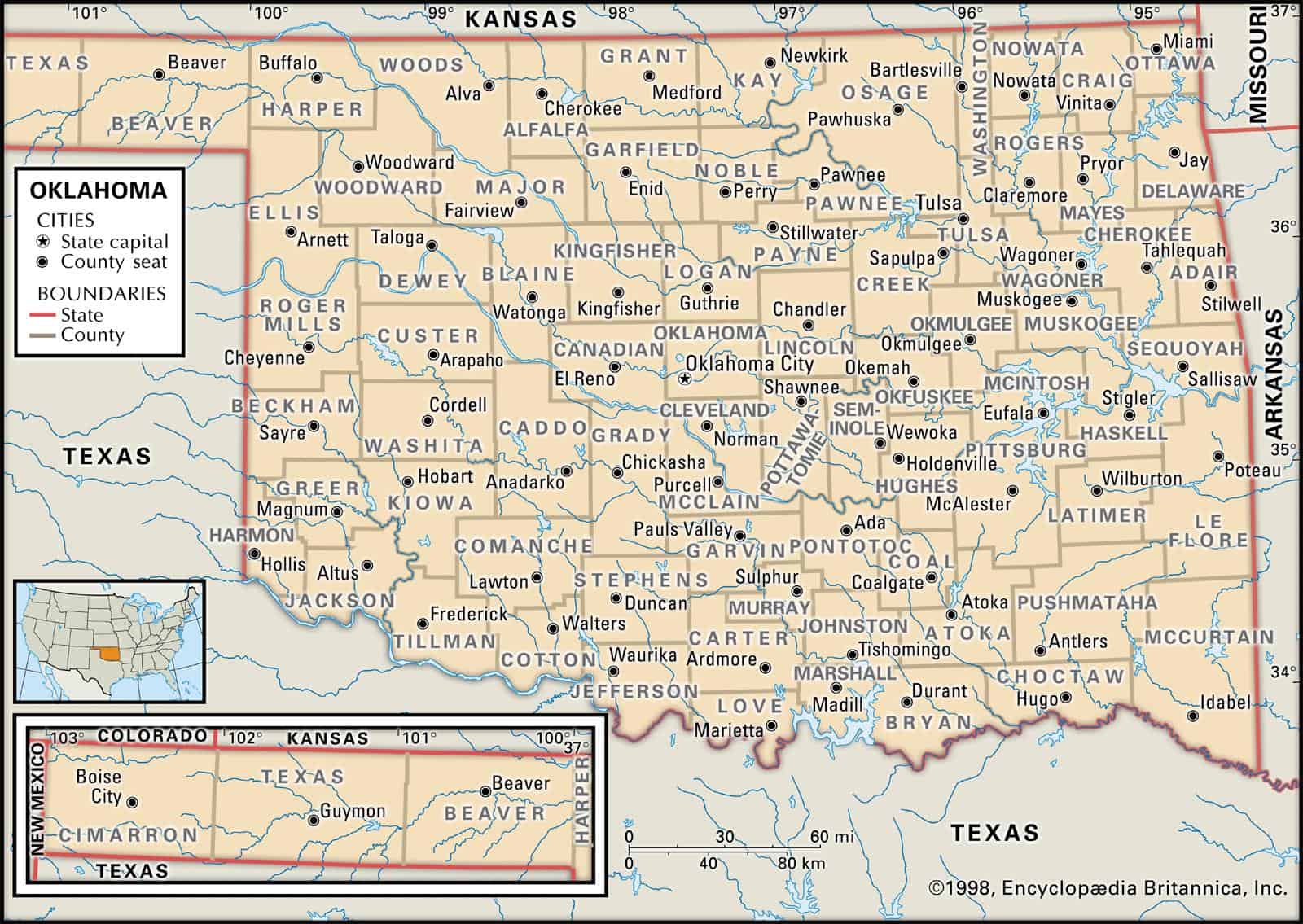
Finding someone in the state correctional system requires knowing where to look because records are split across municipal police departments, county detention centers, and state agencies. If you need to perform an oklahoma inmate search, you won't find a single universal database that covers local city jails and state prisons all at once. Instead, you have to navigate specific portals depending on where an individual is currently held.
State prison records fall under the governance of the Oklahoma Department of Corrections (ODOC), while county-level jails manage their own short-term custody rosters. Knowing the exact jurisdiction saves hours of frustration and ensures you pull accurate, up-to-date documentation.
Navigating the Oklahoma DOC Offender Lookup
The official state database is managed by the ODOC and handles individuals sentenced to state prison terms. The online Ok Offender Search tool allows anyone to look up prisoners using basic identifying details.
To run a state-level search efficiently, follow these steps:
- Navigate to the official Oklahoma Department of Corrections web portal and locate the offender search page.
- Enter the person's last name and first name. Providing a middle initial or date of birth helps narrow down common names.
- Alternatively, you can search directly using the individual's unique Oklahoma DOC number if you already have it.
- Review the search results list, which typically displays matching names, gender, race, date of birth, and the facility housing the inmate. If a profile lists "Inactive," it means the person is no longer incarcerated within a state facility.
Clicking on an individual's ODOC number opens a detailed view. This page displays a larger mugshot, physical descriptions, alias names, and specific sentencing details including court case numbers and projected release dates.
Searching County Jails and Local Detention Centers
People recently arrested or awaiting trial are rarely in state prisons. They usually reside in county holding facilities or municipal jails. Because these records operate independently from the ODOC, you must query individual county databases.
Major facilities like the Oklahoma County Detention Center maintain independent online jail trackers. Searching these local portals requires entering a booking date range or the inmate's name to see active charges, bond amounts, and upcoming court dates.
If you are trying to locate someone arrested by city police—such as Tulsa or Oklahoma City municipal authorities—check the local police department records or city jail rosters. If an online search yields nothing for a recent arrest, calling the county jail's front desk directly is often the fastest way to confirm custody status.
Tracking Custody Changes With VINELink
For victims of crime and concerned family members who need automated updates regarding an inmate's status, the state utilizes the Oklahoma VINE system.
VINELink is a confidential, statewide notification network. It tracks offender custody changes across participating local jails and state prisons. You can use it to:
- Register for automated phone calls, text messages, or email alerts when an inmate's custody status changes, such as upon release, transfer, or escape.
- Search for offenders anonymously using a desktop browser or mobile application.
- Call the toll-free support line at 1-877-654-8463 to speak with a live operator who can assist with custody lookups.
Requesting Public Records Under the Oklahoma Open Records Act
Beyond basic inmate locators, you might need formal documentation like court judgments, sentencing transcripts, or complete institutional files. The state operates under the Oklahoma Open Records Act (Title 51 O.S. §§24A.1 et seq.), which dictates that government records are open to the public unless restricted by law.
To obtain closed or physical records from the ODOC:
- Download or fill out the official Closed Records Request Form provided on the state DOC website.
- Specify the exact documents you need, including the inmate's full name and DOC number to prevent processing delays.
- Submit the request through the designated departmental channel. Keep in mind that certain records—such as medical evaluations, internal security files, or juvenile records—remain legally confidential and won't be released.
Common Mistakes to Avoid
People searching for prison records often run into roadblocks because of simple errors. Avoid these common pitfalls to streamline your search:
- Searching the wrong jurisdiction: Looking for someone in the state DOC database who was just arrested yesterday usually returns no results because they are still held at a local county jail.
- Ignoring name spelling variations: Typos or unregistered maiden names cause searches to fail. Always check for aliases or alternate spellings if your initial search comes up empty.
- Trusting third-party aggregator sites blindly: Numerous private websites charge fees for public record lookups. Always use official state, county, or federal portals first to get accurate, free data.
Frequently Asked Questions
How can I find a federal prisoner in Oklahoma?
State and county tools only cover local facilities. If someone is serving time for a federal offense in an Oklahoma-based federal facility (such as FCI El Reno), you must use the Federal Bureau of Prisons online inmate locator tool, which tracks individuals incarcerated from 1982 to the present.
Are mugshots always available on public search portals?
Not always. While the ODOC and most county detention centers publish mugshots, some jurisdictions restrict photo visibility due to local privacy policies, pending legal proceedings, or administrative rules.
What should I do if an inmate's record shows "Inactive"?
An "Inactive" status in the state system indicates the person is no longer in ODOC custody. They may have completed their sentence, been paroled, transferred to federal custody, or been released on probation. Contact the department's offender records division if you need clarification on their current standing.
Can I deposit money into an inmate's trust account online?
Yes. The ODOC partners with approved third-party financial services like Access Corrections to allow family and friends to send funds for commissary items, phone calls, and medical co-pays securely online or via designated retail payment centers.


