Finding out if you or someone else has an active legal notice doesn't require paying commercial background check sites. Official government databases and local court portals across the state provide public access without fees. Because Ohio manages its judicial system at the county and municipal levels rather than through a single statewide database, knowing where to look makes all the difference.
Official options range from municipal court dockets to sheriff department records. This guide breaks down exact steps, county-level resources, and common pitfalls to avoid when checking for active files.
Understanding Ohio Warrant Jurisdictions
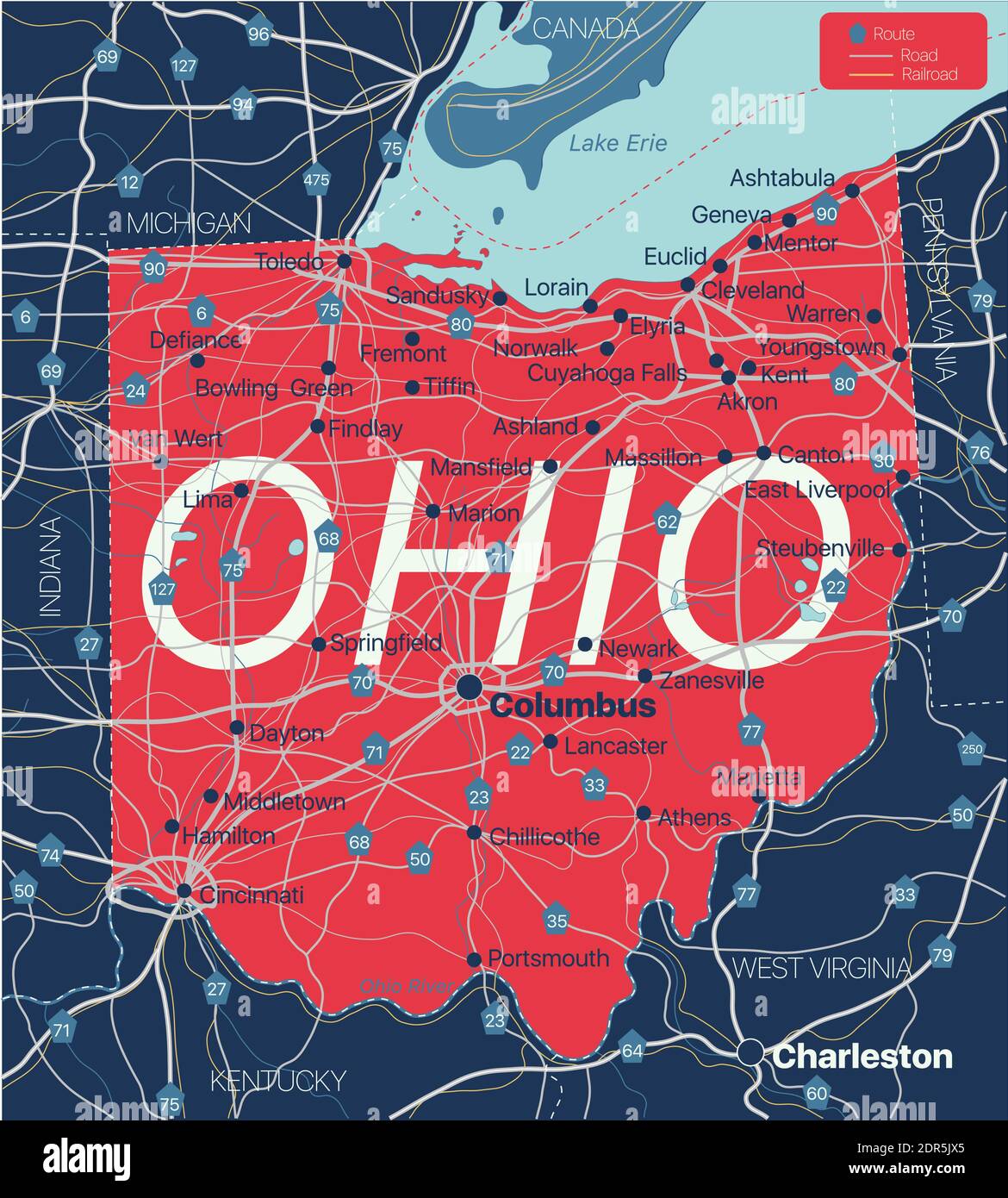
Before running a check, it helps to understand how legal orders are issued and stored. Ohio does not maintain one universal online database for every outstanding notice. Instead, records stay tied to the specific jurisdiction where the case originated.
If a judge in Franklin County signs an order, you'll find it through Franklin County portals, not Cuyahoga County records. Knowing the correct county or city municipal court saves hours of dead ends. Warrants generally fall into two main categories:
- Bench Warrants: Issued directly by a judge when someone skips a court date, violates probation terms, or fails to obey a court order.
- Arrest Warrants: Issued by law enforcement request backed by probable cause that a person committed a specific crime.
Under Ohio public records laws, most active criminal notices are open to the public. However, sensitive cases, juvenile matters, or sealed indictments remain hidden from online search tools.
Free County and Municipal Court Portals
The most reliable path to a free lookup is checking local court dockets. Major metropolitan areas and mid-sized counties offer public search tools directly on their clerk of courts websites.
Franklin County
For matters originating in Columbus and surrounding areas, the Franklin County Municipal Court provides an online case search tool. You can type in a full name or case number to view docket histories. Look for status flags indicating an active bench warrant or failure to appear. For felony cases, check the Franklin County Common Pleas Court portal.
Cuyahoga County
If you need to check the Cleveland area, the Cuyahoga County Clerk of Courts public access portal lets users search criminal case files by name. Clicking into a specific case history reveals any issued bench warrants, bond forfeitures, or active sheriffs' notices.
Hamilton County
In the Cincinnati region, the Hamilton County Clerk of Courts website maintains comprehensive records. Entering a subject's name brings up past and pending criminal files. Reviewing the docket and document tabs shows whether an open judge's order exists.
For smaller counties, search for the specific "[County Name] Clerk of Courts" or "[City Name] Municipal Court docket search." Most use standard software platforms where docket entries explicitly state "warrant issued".
Checking with Local Law Enforcement Agencies
When online court dockets prove inconclusive, local law enforcement offices provide alternative routes. Many sheriff departments publish a public "wanted persons" roster on their official websites.
- Sheriff Departments: Offices like the Franklin County Sheriff or Hamilton County Sheriff maintain records divisions. Citizens can often call or submit public records requests for active status details.
- Police Divisions: City police departments, such as Columbus, Cleveland, or Cincinnati, handle local ordinance violations and municipal charges. Their records sections process inquiries during standard business hours.
Keep in mind that calling a police department from your personal phone to ask about an active warrant can trigger immediate verification of your location if an officer decides to trace or cross-reference the inquiry. If you suspect an active felony notice, consulting a defense attorney before contacting law enforcement directly is a safer approach.
Common Mistakes to Avoid
Navigating public record databases can get frustrating. Steering clear of these frequent errors keeps your search effective and secure.
- Using Paid Third-Party Sites: Numerous commercial aggregators charge fees to run "instant statewide checks." These sites often scrape outdated data, charge hidden subscription fees, and cannot execute official legal actions. Stick to government
.govdomains. - Ignoring Spelling Variations: Court databases rely on exact text matching. If a middle name is missing, a hyphenated last name is split, or a birth date has a typo, the system might return zero results even when a file exists.
- Assuming Statewide Visibility: Finding nothing in a Cincinnati municipal search doesn't clear you across the entire state. You must check every county where you previously lived, drove, or received a citation.
- Ignoring Statute Limitations: Old traffic tickets or missed court dates from years ago can quietly turn into active bench warrants that trigger arrests during routine traffic stops.
Frequently Asked Questions
Can I check for a warrant anonymously online?
Yes. Most municipal and county court clerk search tools allow anyone to look up public docket records using a name or case number without creating an account or paying a fee.
What should I do if I find an active warrant in my name?
Panicking or ignoring it will only worsen the situation. An active warrant rarely expires on its own. Contacting a qualified Ohio criminal defense attorney is the safest first step. An attorney can often coordinate a voluntary surrender, arrange for a bond hearing, or address a missed court date before police execute the order unexpectedly.
Do minor traffic violations result in warrants?
Yes. Failing to appear in traffic court or neglecting to pay a fine by the designated deadline prompts the judge to issue a bench warrant for failure to appear. These minor slips can lead to unexpected vehicle impoundments and arrests.
Are online warrant databases updated in real-time?
Not always. Court websites depend on clerks manually updating docket entries. There can be a delay of several days between a judge signing an order and its appearance on a public portal.


