Navigating public school compensation across the Buckeye State requires looking past generalized state averages and examining district-level schedules. If you're trying to perform an Ohio teacher salary lookup, understanding how local boards of education structure pay scales makes all the difference. Public teacher records in Ohio are transparent under state open records laws, meaning you can verify specific educator compensation through public databases like GovSalaries or local district treasurer reports.
The average public school teacher salary in Ohio sits at $70,586, which places the state 23rd nationally according to National Education Association data. However, that figure hides a wide disparity between affluent suburban districts in Central or Southwest Ohio and underfunded rural or urban districts. Starting salaries begin around a statutory floor of $35,000 for a bachelor's degree, though competitive districts often start new teachers above $45,000 to $50,000.
How Ohio Teacher Pay Scales Work
Ohio public school districts don't pay educators arbitrary amounts. Instead, they rely on a strict grid system commonly referred to as the single salary schedule. This matrix relies on two distinct axes: steps and lanes.
Steps represent years of completed service within the district (and sometimes credit for prior public school teaching experience). Every year an educator remains employed, they typically move down one step, triggering an automatic pay increase.
Lanes represent educational attainment beyond the initial bachelor's degree. Moving across lanes requires earning additional college credits or advanced degrees. A typical district schedule includes columns for:
- Bachelor's degree (BA)
- Bachelor's plus 15 or 30 semester hours (BA+15, BA+30)
- Master's degree (MA)
- Master's degrees with additional graduate credits (MA+15, MA+30, or MA+45)
Because of this matrix, two teachers with the exact same number of years on the job can bring home vastly different paychecks depending on their accumulated college credits.
District Comparisons: Where Pay Varies Most
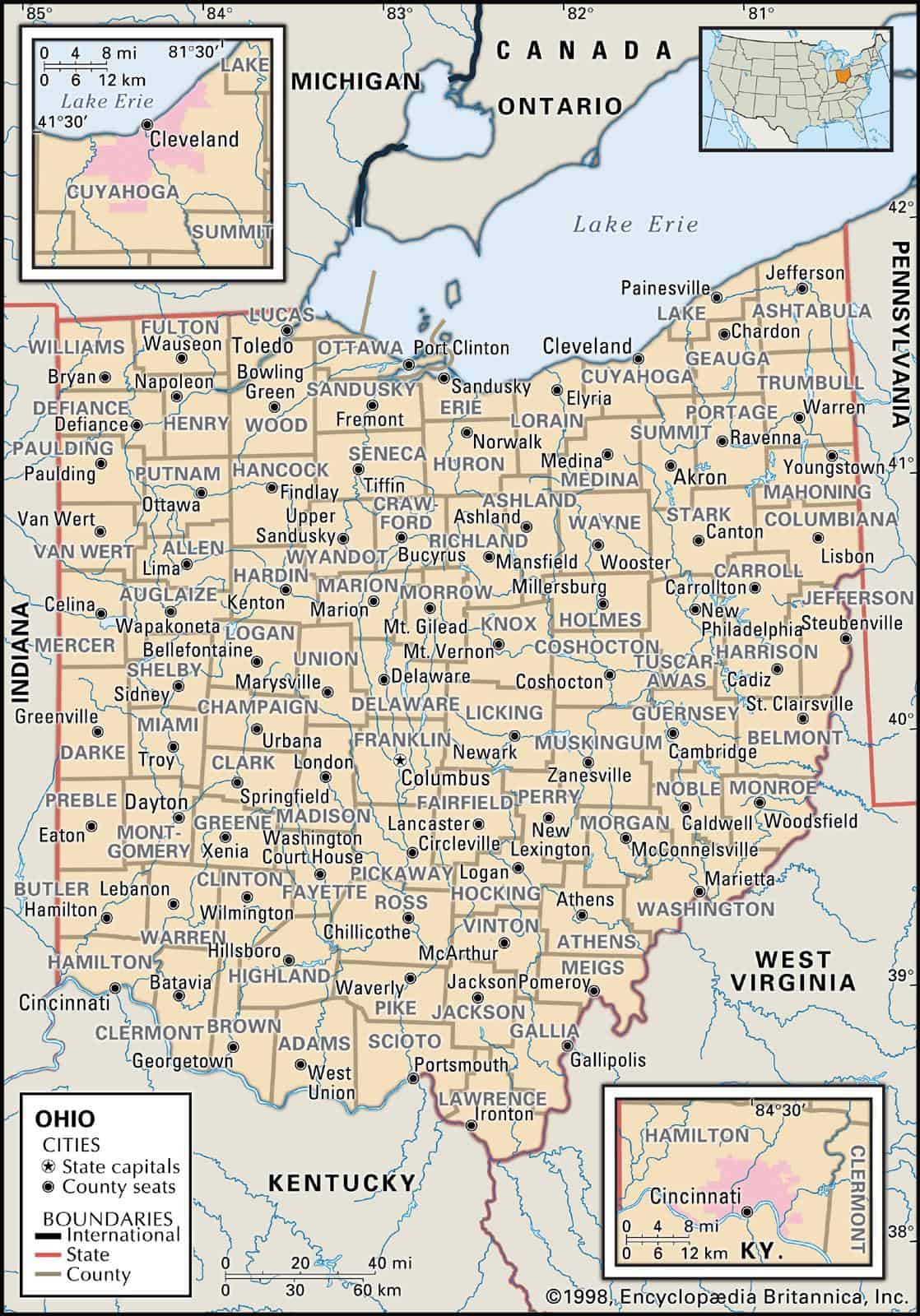
Looking at aggregate state numbers obscures how much location matters within Ohio. Wealthier districts near Columbus, Cincinnati, and Cleveland frequently boast much higher top-end salaries than rural districts in Appalachian counties.
For instance, districts like Olentangy Local Schools or Hilliard City Schools feature starting salaries for a brand-new bachelor's holder hovering around $50,000, scaling past $94,000 to $100,000 at the top steps. Meanwhile, smaller or economically strained districts may max out veteran teachers significantly lower unless those educators leverage graduate credits to shift into higher lanes.
The Ohio Department of Education and Workforce tracks district report cards and administrative spending, but actual salary schedules are negotiated locally via collective bargaining agreements between local school boards and teachers' unions, such as the Ohio Education Association.
Using Public Databases to Look Up Specific Salaries
Because Ohio schools operate with taxpayer funds, individual educator salaries are a matter of public record. If you want to check what a specific teacher or administrator earns, you have a few reliable paths:
- Search public salary aggregators like GovSalaries or local transparency projects that index public employee payrolls.
- Submit a public records request directly to the school district's treasurer office under Ohio Revised Code 149.43.
- Review district expenditure reports filed annually with the state.
Keep in mind that public lookups usually show base compensation. They might not reflect supplemental contracts for coaching sports, advising clubs, or teaching summer school classes, which can add thousands of dollars to an educator's annual earnings.
Common Mistakes When Analyzing Teacher Pay
Misinterpreting school district payroll data is easy if you don't know what to look for. Watch out for these pitfalls:
- Confusing state minimums with district reality. While state law mandates a $35,000 base floor, very few districts actually pay that low because local salary negotiations push starting numbers upward.
- Ignoring benefits and pensions. Base salary is only part of the compensation package. Ohio public teachers participate in the State Teachers Retirement System (STRS Ohio), where districts often pick up a portion of the required contributions.
- Assuming pay increases are uniform. Step increases stop advancing after a district's maximum step (often between step 20 and 30), meaning veteran teachers only see pay bumps if the union negotiates a base schedule increase across all cells.
Frequently Asked Questions
What is the legal minimum teacher salary in Ohio?
Ohio law (ORC 3317.13) sets a statutory minimum salary schedule floor, starting at $35,000 for a teacher with a bachelor's degree. Local collective bargaining agreements almost always exceed this statutory floor.
Are Ohio teacher salaries public record?
Yes. Because public school teachers are public employees funded by taxpayers, their salaries and compensation details are accessible via public records laws and searchable state databases.
How do teachers move up the pay scale fastest?
The fastest way to increase earnings is pursuing graduate credits to move across education lanes. Moving from a bachelor's lane to a master's lane or acquiring 30 post-bachelor credits yields permanent annual pay increases that compound over a career.
Do years of experience from other states transfer?
It depends on the district. While some school boards will credit up to 5 or 10 years of prior out-of-state public school experience, others cap incoming transfer credits, meaning veteran teachers might take a temporary step cut when switching districts.



