Navigating educator compensation in the Buckeye State requires looking past broad averages. While state data shows that public school teachers in Ohio average roughly $70,000 to $73,000 per year, that single figure masks massive variations across local districts, years of experience, and educational lanes. Starting salaries, statutory minimums, and local collective bargaining agreements dictate what educators actually take home.
Ohio operates under a state minimum salary schedule defined by Ohio Revised Code (ORC 3317.13), which sets a statutory pay floor. However, most public school districts negotiate local contracts that sit well above this baseline. This guide breaks down how Ohio teacher pay is structured, how districts compare, and what strategies educators use to maximize their earning potential over a career.
Understanding the Ohio Teacher Salary Structure
Most public school compensation models in the state rely on a grid format known as a salary schedule. Two main axes drive this grid: vertical steps representing years of service, and horizontal lanes representing educational attainment.
The Role of Vertical Steps
Each year an educator remains in the same district, they generally advance one vertical step on the salary schedule. This movement triggers an incremental annual salary increase. However, step advancement can freeze during contract disputes or district financial emergencies. Once a teacher reaches the maximum step on a given lane, vertical movement stops unless they complete additional college coursework or a degree to shift horizontal lanes.
Educational Lanes and Degree Advancement
Horizontal lanes reward continuing education. Common lane classifications across Ohio districts include:
- Bachelor's Degree (BA): The baseline lane for newly licensed teachers with a standard four-year degree.
- BA+15 or 150 Hours: Requires a bachelor's degree plus 15 semester hours of approved graduate or undergraduate coursework.
- Master's Degree (MA): Recognized as a significant milestone, a master's degree unlocks a higher pay column.
- MA+15 to MA+30 / Doctorate: Advanced columns rewarding further specialization or terminal degrees.
Moving horizontally creates a permanent boost to annual earnings. For example, in suburban districts like Olentangy Local Schools, shifting from a bachelor's degree to a master's degree at mid-career provides a substantial compounding raise that expands over time.
State Minimums Versus District Realities
Under Ohio law, the state minimum starting salary for a new teacher with a bachelor's degree sits at $35,000. For teachers with 150 semester hours (equivalent to a bachelor's plus 30 hours), the floor rises slightly to $36,330, while a master's degree carries a statutory minimum starting floor of $38,325.
These figures act strictly as a safety net rather than competitive market rates. Driven by local cost of living and active union negotiations through organizations like the Ohio Education Association, actual starting salaries in major metropolitan and suburban districts commonly range from $45,000 to over $57,000.
District Comparisons: Where Pay Scales Diverge
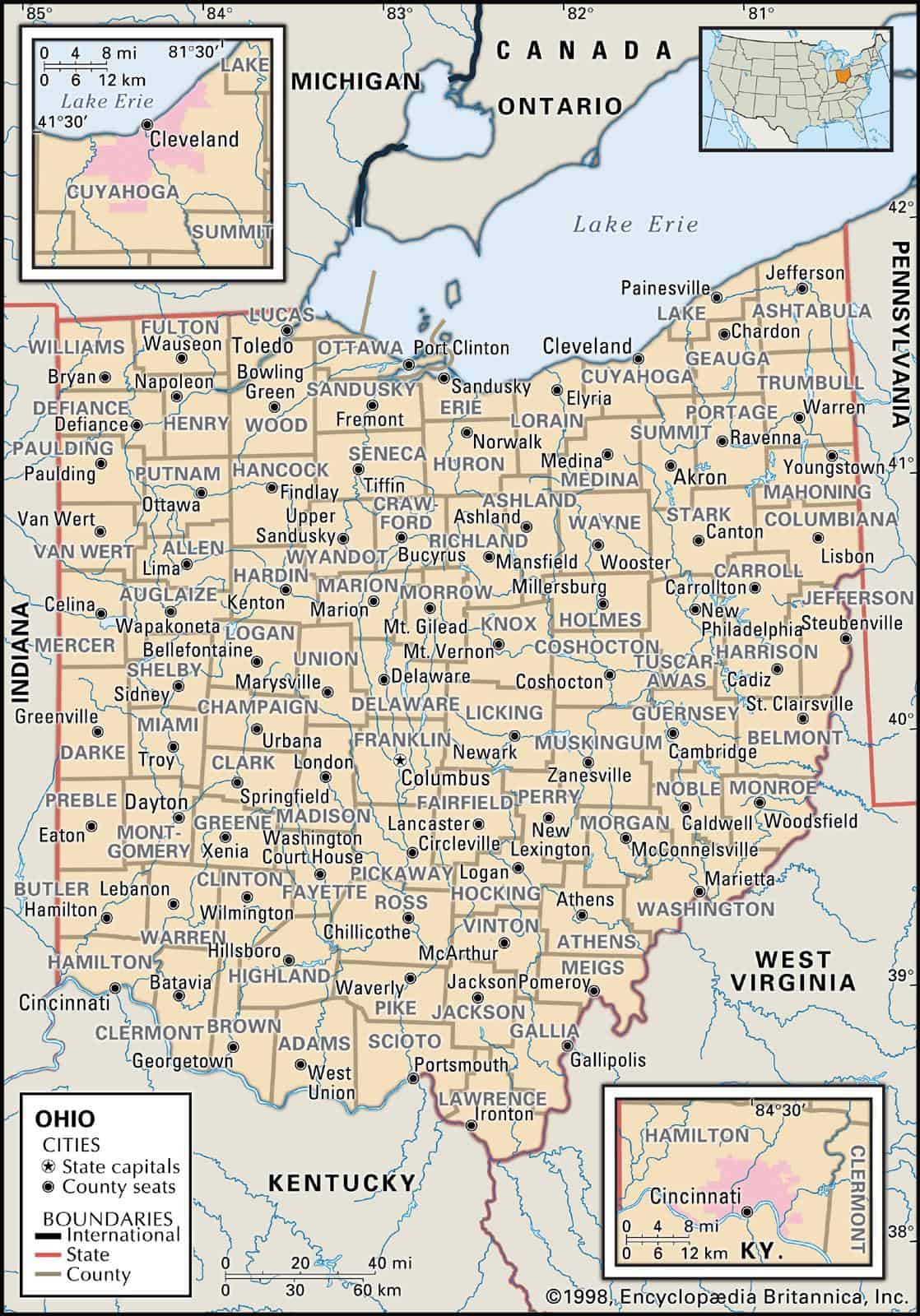
Geography remains one of the heaviest influences on educator pay in Ohio. Wealthy suburban districts surrounding Columbus, Cleveland, and Cincinnati generally feature higher top-end caps and quicker step progressions than rural districts in southeastern Ohio.
Urban and Suburban High-Pay Districts
- Columbus City Schools: Starting bachelor's pay begins near $57,862, with career maximums exceeding $107,000 on advanced lanes.
- Olentangy Local Schools: Features starting salaries around $50,217 for a bachelor's degree, scaling past $101,000 at the top steps.
- Hilliard City Schools: Offers starting pay near $51,501 with maximum career earnings scaling past $102,000.
Rural and Lower-Funding Districts
Conversely, smaller rural districts often maintain starting salaries closer to the state statutory minimum or slightly above $40,000. While the lower cost of living in these regions offsets some disparity, lifetime earnings potential remains visibly compressed compared to major economic hubs.
Supplemental Pay and Extra-Duty Contracts
Base salary schedules only capture part of total annual compensation. Most Ohio school districts issue supplemental contracts for duties performed outside regular classroom hours. These earnings are typically calculated as a percentage of the base salary depending on the responsibility level:
- Coaching varsity or junior varsity sports
- Advising student government, yearbooks, or academic clubs
- Directing theater productions or marching bands
- Serving as department chairs or mentor teachers
Furthermore, educators who secure National Board Certification (NBCT) often receive annual state stipends or district-level salary bonuses, adding thousands of dollars to their yearly take-home pay.
Frequently Asked Questions
What is the average teacher salary in Ohio?
Data from the National Education Association places the average teacher salary in Ohio at approximately $70,586, though individual earnings vary widely based on local district funding and experience levels.
Can school districts pay below the state minimum salary?
No. Ohio Revised Code 3317.13 legally mandates that districts meet or exceed the state minimum salary schedule based on degree tier and years of service. However, because the statutory floor is low, nearly all functioning districts negotiate schedules well above it.
How do teachers advance on the salary schedule?
Teachers advance vertically by completing another year of service in the district and horizontally by submitting official transcripts proving the completion of approved graduate credits or degree programs.
Do private school teachers in Ohio follow the same pay scale?
No. Private and parochial schools operate independently of public school collective bargaining agreements and state statutory minimum schedules. Private school salaries generally trend lower than public school counterparts, though they may offer alternative workplace benefits.



