Navigating higher education options at a massive public research institution requires clarity. The Ohio State University offers over 200 undergraduate majors, hundreds of graduate tracks, and dozens of specialized professional schools across multiple campuses. Choosing the right path means understanding how these academic divisions function, which majors fit your career targets, and how to navigate admissions requirements without getting lost in the noise.
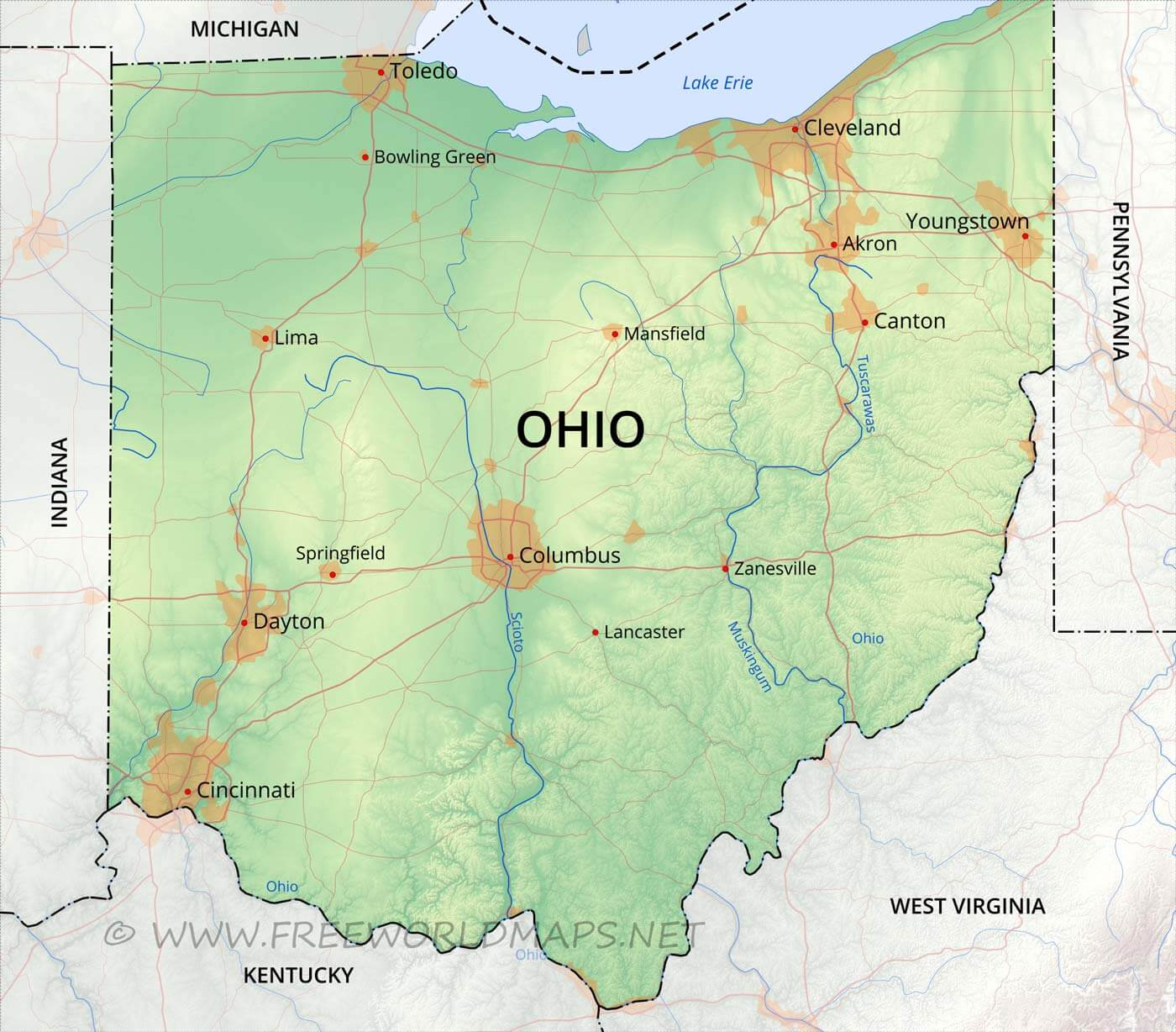
Ohio State operates through a decentralized college structure housed primarily on its main Columbus campus, alongside regional campuses in Lima, Marion, Mansfield, Newark, and the Agricultural Technical Institute in Wooster. Whether you're tracking engineering, business, nursing, or the humanities, knowing the structural layout of the university helps you map out prerequisites, major applications, and graduation timelines from day one.
The College Structure and Academic Divisions
Ohio State splits its academic offerings across distinct colleges, each maintaining its own admissions standards, advising offices, and curriculum requirements. Understanding these divisions helps prospective students identify where their target discipline lives.
- College of Arts and Sciences: The largest academic unit on campus, housing everything from data analytics and biology to fine arts and foreign languages. It covers foundational sciences and liberal arts.
- Fisher College of Business: Offers specialized undergraduate majors like finance, accounting, marketing, and operations management, alongside prominent MBA programs.
- College of Engineering: Features high-demand programs such as mechanical, biomedical, and computer engineering, backed by intensive laboratory and research facilities.
- College of Food, Agricultural, and Environmental Sciences (FAES): Combines traditional agricultural sciences with modern sustainability, animal sciences, and agribusiness.
- Health Science Colleges: Includes the College of Nursing, College of Pharmacy, and the School of Health and Rehabilitation Sciences, which feed directly into medical and clinical careers.
Students who aren't sure where they belong often enter through University Exploration, a specialized advising unit designed to help undecided students test coursework across different colleges before officially declaring a major.
Undergraduate Majors and Selective Admissions
Not all undergraduate programs at Ohio State allow direct admission into the major on day one. Many high-demand disciplines use a two-tier system where students enter as "pre-major" or "exploration" status and must meet strict GPA and prerequisite milestones before being accepted into the upper-level program.
For example, popular fields like computer science, nursing, and finance require students to complete gateway courses—such as specific calculus, chemistry, or introductory economics sequences—with competitive grades. If you're targeting a selective program, you'll need to map out your first three semesters carefully to avoid falling behind on graduation track.
Minors and dual degrees add another layer of flexibility. Students frequently pair a technical major like data analytics with a humanities minor like international studies to broaden their skill sets. Academic advisors assist in planning these combinations, though heavy credit loads or summer courses may be necessary to finish within four years.
Graduate and Professional Degree Pathways
Beyond undergraduate studies, Ohio State functions as a major research powerhouse with robust graduate and professional options.
- The Moritz College of Law and The College of Medicine rank among the top professional schools in the region, attracting applicants nationwide.
- Graduate School Programs: Master's and PhD tracks span the physical sciences, social sciences, and humanities, often offering Graduate Teaching Associate (GTA) or Graduate Research Associate (GRA) positions that cover tuition and stipends.
- Professional Certifications: Continuing education and certificate options cater to working professionals looking to upskill in areas like public health, data analysis, or educational administration.
When applying to graduate tracks, admissions committees look closely at undergraduate research experience, faculty recommendations, and standardized test scores where required. Building relationships with professors early during your undergraduate years pays off when you need strong letters of recommendation.
Common Mistakes in Academic Planning
Students often hit roadblocks at large institutions due to avoidable planning errors. Keeping these pitfalls in mind keeps your academic career on course.
- Ignoring Prerequisite Chains: Skipping a prerequisite or failing a gateway course can push your graduation date back by a full year due to course sequencing.
- Overloading Early Semesters: Trying to take 18 credit hours of heavy STEM coursework in your first semester often leads to burnout and a dropped GPA, hurting your chances of getting into competitive pre-majors.
- Failing to Utilize Office Hours: Professors and teaching assistants hold regular office hours, yet few students show up. Building these connections early helps with difficult concepts, research openings, and future recommendations.
- Delaying Career Services Engagement: Waiting until senior year to look for internships leaves you scrambling. Ohio State provides extensive career fairs and coaching through individual college offices starting freshman year.
For official deadlines, tuition rates, and specific course catalogs, consult the Ohio State Undergraduate Admissions portal or the Ohio State Graduate School guidelines.
Frequently Asked Questions
Can I change my major after I'm admitted?
Yes. Changing your major is common, though moving into highly competitive fields like engineering or business requires meeting specific GPA thresholds and completing prerequisite courses. You'll work with an academic advisor to file the official paperwork.
What is the difference between Columbus and regional campuses?
Regional campuses (like Newark or Marion) offer a smaller class size and lower initial tuition rates for the first year or two of coursework. Many students start regionally and transition to the main Columbus campus to finish their upper-level degree requirements.
How do I get involved in undergraduate research?
Ohio State features programs like the Undergraduate Research Office, which helps connect students with faculty labs. Reach out directly to professors whose research aligns with your interests, or check department job boards for open undergraduate research assistant roles.
Are online degree options available?
While most undergraduate degrees require in-person attendance on campus, Ohio State offers selective online degree completion programs, hybrid certificates, and online graduate tracks tailored for working adults.



