Navigating medical regulations in Ohio requires understanding how the State Medical Board of Ohio (SMBO) oversees professional conduct, credentials, and modern virtual care delivery. Whether you're a licensed practitioner managing a clinical practice or a patient looking to understand your rights, state statutes establish clear guardrails. These rules balance clinical innovation—such as remote patient evaluations—with strict accountability measures designed to protect public safety.
The board's authority stretches across initial license issuance, ongoing professional monitoring, enforcement actions for misconduct, and specific compliance standards for remote care. Recognizing how these components interconnect helps prevent administrative violations and ensures that care delivered across the state meets established legal and ethical thresholds.
The Licensing Framework and Credentialing Standards
Before any practitioner can treat a patient in the state—whether inside a traditional clinic or via virtual channels—they must hold an active, valid credential issued by the SMBO. The board evaluates applicants based on education, postgraduate training board exams, and background checks.
- Credential Verification: Every applicant must prove graduation from an approved medical school or training program, alongside passing scores on standardized medical licensing examinations.
- Scope of Practice: Licenses are tied directly to specific professional designations, including MDs, DOs, PAs, and specialized practitioners. Operating outside an authorized scope triggers immediate board scrutiny.
- Renewal Cycles: Practitioners must complete designated continuing education (CE) hours in specific clinical categories to maintain active status, ensuring ongoing competency throughout their careers.
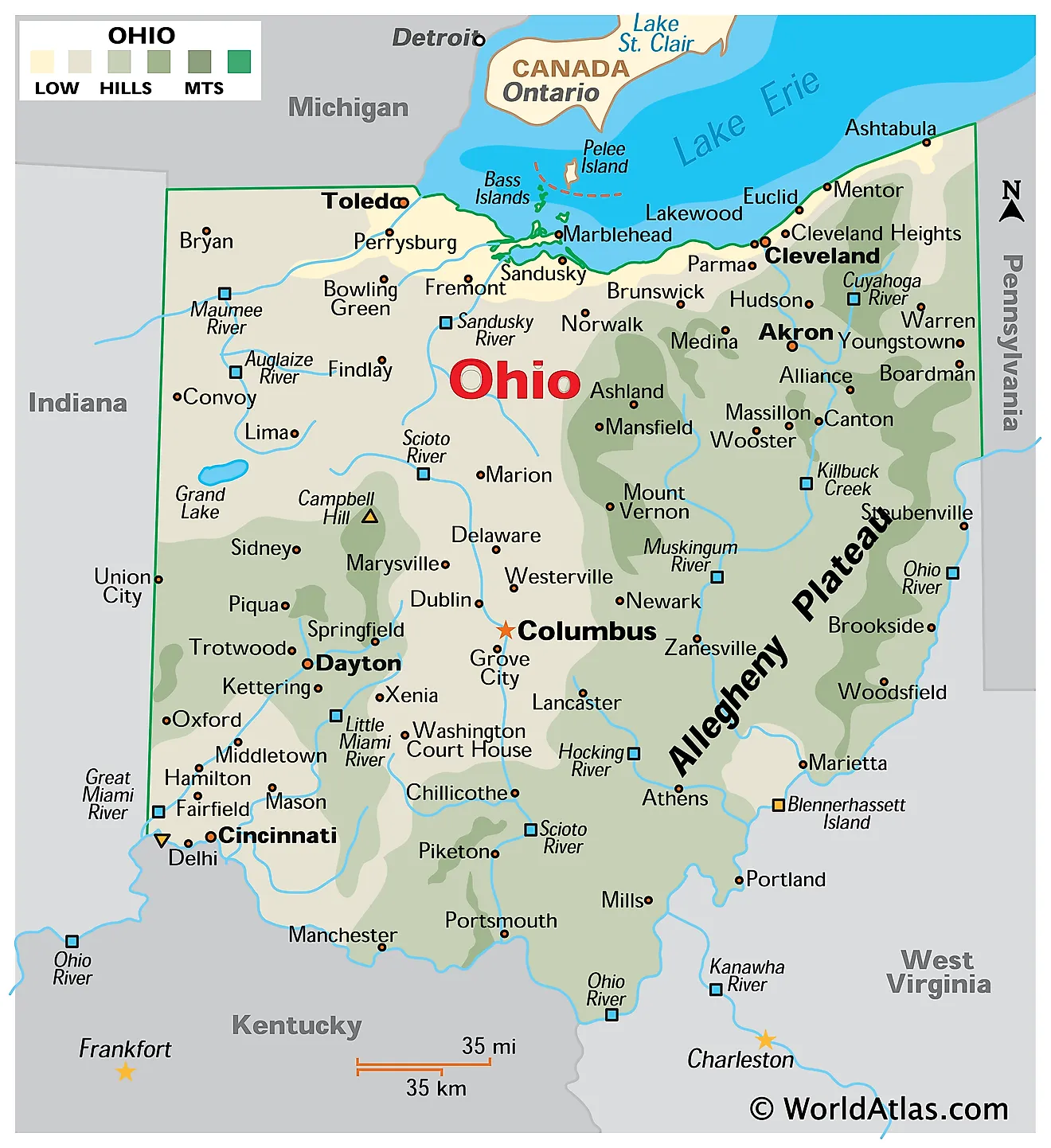
For providers located outside Ohio, practice rules depend strictly on where the patient is physically located at the time of service. If a patient sits in Columbus or Cincinnati during a consultation, the treating professional must hold an active Ohio license, regardless of where the clinician's physical office or server resides.
Telehealth Regulations and the Standard of Care
Virtual care in Ohio is governed by specific state statutes, including Ohio Revised Code Section 4743.09 and Ohio Administrative Code Rule 4731-37-01. The core legal principle governing virtual medicine is parity: the standard of care for a telehealth visit must match the standard of care for an in-person visit.
Practitioners cannot lower their diagnostic threshold simply because an interaction occurs through a screen or phone line. If a clinical assessment requires physical palpation or visual inspection that cannot be accurately replicated via remote technology, the provider must transition the patient to an in-person setting or arrange a local referral.
Permitted Modalities and Operational Requirements
Ohio guidelines recognize multiple delivery formats for remote care, provided they protect patient privacy and yield clinically sound data:
- Synchronous Audio-Video: Live, interactive two-way video remains the default standard for comprehensive initial evaluations and complex treatment planning.
- Asynchronous Store-and-Forward: The secure exchange of clinical images, test results, or digital questionnaires for later review by a licensed provider.
- Remote Patient Monitoring: Utilizing FDA-approved connected devices to track vital signs for chronic disease management, backed by documented clinical review protocols.
Before initiating virtual care, practitioners must verify the patient's identity and physical location, secure informed consent regarding the risks and limits of technology, and maintain comprehensive medical records detailing the specific modality used.
Disciplinary Process and Enforcement Actions
When a practitioner violates state medical laws, administrative rules, or ethical standards, the SMBO initiates a structured investigative and disciplinary process. Complaints originate from various sources, including patients, insurance companies, healthcare facilities, or mandatory self-reporting triggers.
- Investigation Phase: Board investigators gather medical records, interview witnesses, and review peer-review data to determine if credible evidence supports the allegation.
- Board Action Options: Depending on severity, findings can result in formal reprimands, civil penalties, mandatory practice monitoring, license suspension, or permanent revocation.
- Public Transparency: Final disciplinary orders are published on the SMBO public portal, allowing patients and healthcare systems to verify a provider's active standing and disciplinary history.
Common triggers for disciplinary intervention include professional incompetence, substance abuse impairing practice, fraudulent billing, improper prescribing habits, and boundary violations. The board's primary objective in these proceedings is public deterrence and remediation rather than punitive isolation, though severe offenses result in permanent exclusion from practice.
Patient Rights and Advocacy
Patients interacting with Ohio healthcare providers possess explicit rights regarding safety, privacy, and recourse. Knowing these rights helps individuals navigate complex medical situations and identify substandard care.
You have the legal right to expect that any individual diagnosing your condition or prescribing medication holds a valid, unencumbered license with the SMBO. Patients also maintain rights to access their complete medical records—including documentation generated during telehealth encounters—and receive transparent explanations regarding treatment risks and alternative options.
If you suspect a medical professional has acted negligently or violated state practice acts, you can file a formal grievance directly through the State Medical Board of Ohio File a Complaint Portal. The board evaluates all submitted reports to determine if an administrative or investigative inquiry is warranted.
Frequently Asked Questions
Can a physician start a new patient relationship via telehealth in Ohio?
Yes. Ohio law allows practitioners to establish a professional relationship through virtual modalities, provided the technology used allows the provider to gather sufficient clinical information to meet the standard of care. However, certain controlled substance prescriptions carry strict statutory limitations regarding initial remote encounters.
Do out-of-state doctors need a special telehealth license to treat patients in Ohio?
Out-of-state providers generally need an active Ohio medical license to treat patients located within Ohio state lines. A separate, standalone telemedicine license does not exist; practitioners must clear standard state licensure requirements or utilize authorized interstate compact pathways.
What happens if a telehealth visit cannot adequately address a medical issue?
If remote technology fails to capture sufficient diagnostic data, the provider must halt the virtual encounter and direct the patient to an appropriate physical clinic or emergency facility for an in-person examination.
How can I check if an Ohio doctor has a clean disciplinary record?
You can search any licensed medical professional's credentials and public history directly using the online licensee lookup tool hosted on the official State Medical Board of Ohio Website.


