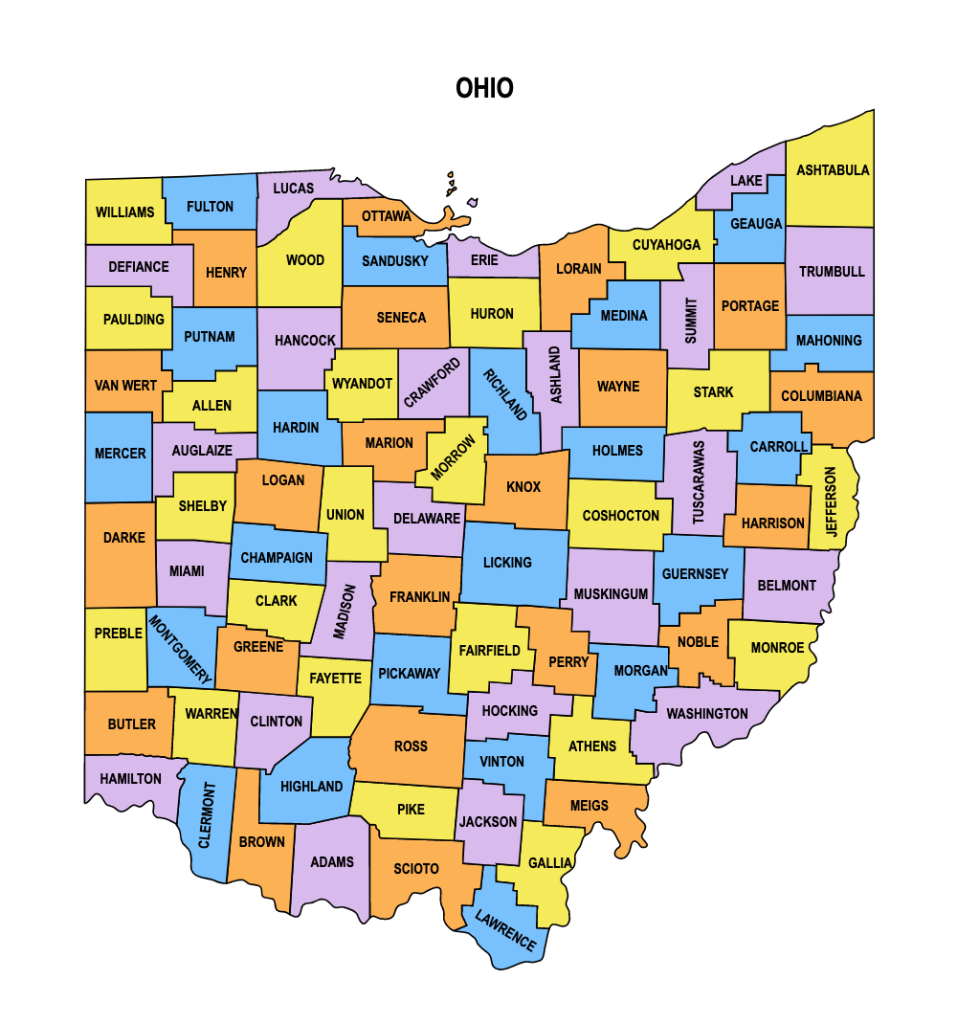
Public payroll transparency allows taxpayers to inspect how state funds are allocated across public institutions and agencies. When examining state employee compensation in Ohio, residents often want a clear picture of base pay, benefits, and total budget impacts without wading through dense bureaucratic jargon. Understanding how public funds support state workers requires looking directly at how salary databases function and where the money originates.
State employee compensation relies on a combination of legislative appropriations, public university revenues, and state tax dollars. Public databases hosted by agencies like the Ohio Department of Administrative Services and institutions such as The Ohio State University provide searchable records of public payrolls. Knowing how to navigate these records helps taxpayers separate general fund expenditures from self-sustaining auxiliary operations.
How State Employee Compensation Is Structured
State payroll isn't a single monolithic fund. Compensation packages consist of base salaries, step increases, longevity pay, and health or retirement benefits.
The structure depends heavily on the specific branch of government or institution:
- Centralized State Agencies: Workers in departments like transportation, taxation, and health are managed under the state classification plan, governed by collective bargaining agreements or exempt schedules.
- Higher Education Institutions: Public universities operate large payrolls that include instructional faculty, researchers, healthcare staff, and administrative personnel.
- Self-Sustaining Entities: Certain segments, such as university health systems and athletic departments, often generate their own revenue streams through patient care, ticket sales, and grants rather than relying directly on state tax appropriations.
Accessing Public Payroll Records
Taxpayers don't have to guess what public servants earn. Ohio law ensures that public employee earnings are a matter of public record. Several tools make this data accessible:
- The Buckeye Institute Database: Independent watchdogs like The Buckeye Institute maintain comprehensive, searchable archives tracking state, local, and higher education salaries over multiple years.
- State Agency Portals: The Ohio Department of Administrative Services publishes pay rate and longevity tables that outline minimum and maximum compensation for various job classifications.
- University Transparency Sites: Major public universities host dedicated salary search tools allowing users to filter staff and faculty earnings by department, title, or name.
When searching these databases, you'll notice that figures typically reflect gross wages. They don't automatically factor in the total cost of employer-paid benefits, which can add a substantial percentage to the overall compensation package.
Taxpayer Impact and Funding Sources
A common misconception is that every dollar listed on a public payroll database comes directly out of state income and sales tax revenue. In reality, funding sources vary widely.
For example, large state universities collect tuition, federal research grants, and auxiliary revenues. A medical center employee's salary is typically covered by clinical revenue and patient services, not taxpayer dollars. Conversely, administrative and regulatory agencies rely more heavily on state general revenue funds. Evaluating the true taxpayer burden requires looking at the specific funding stream attached to each department or position.
Common Misconceptions About Public Pay
Navigating public payroll data can lead to confusion if certain figures are misinterpreted.
- Gross Pay Versus Base Salary: An employee's total earnings in a given year might include overtime, shift differentials, or accumulated leave payouts upon separation. This can make annual earnings look higher than the contracted base salary.
- Part-Time and Seasonal Roles: Many large state databases include part-time workers, student assistants, or temporary staff. Without checking the full-time equivalency (FTE) status, raw earnings numbers can be misleading.
- The Scale of High Earners: While executive positions and specialized medical professionals at public universities often command six-figure salaries, the median base salary for the broader public workforce aligns much more closely with regional private-sector averages for administrative and operational roles.
Frequently Asked Questions
Are fringe benefits included in public salary database figures?
No. Public salary databases typically display gross wages or base pay only. Employer-paid health insurance, pensions, and other benefits are budgeted separately and usually add an estimated 25 to 40 percent to the total cost of employment.
Do public university athletic coaches receive taxpayer funds?
Generally, major athletic departments operate as self-sustaining entities funded by ticket sales, merchandise, conference distributions, and donor contributions rather than state tax subsidies.
How often is state payroll data updated?
Most public databases update their records annually following the close of the calendar or fiscal year, though searchable portals like university HR systems maintain active records based on current payroll appointments.
Can public employees have their salaries kept private?
No. Because public institutions operate using taxpayer or public-trust funds, employee names, titles, departments, and earnings are matters of public record under state open records laws.


