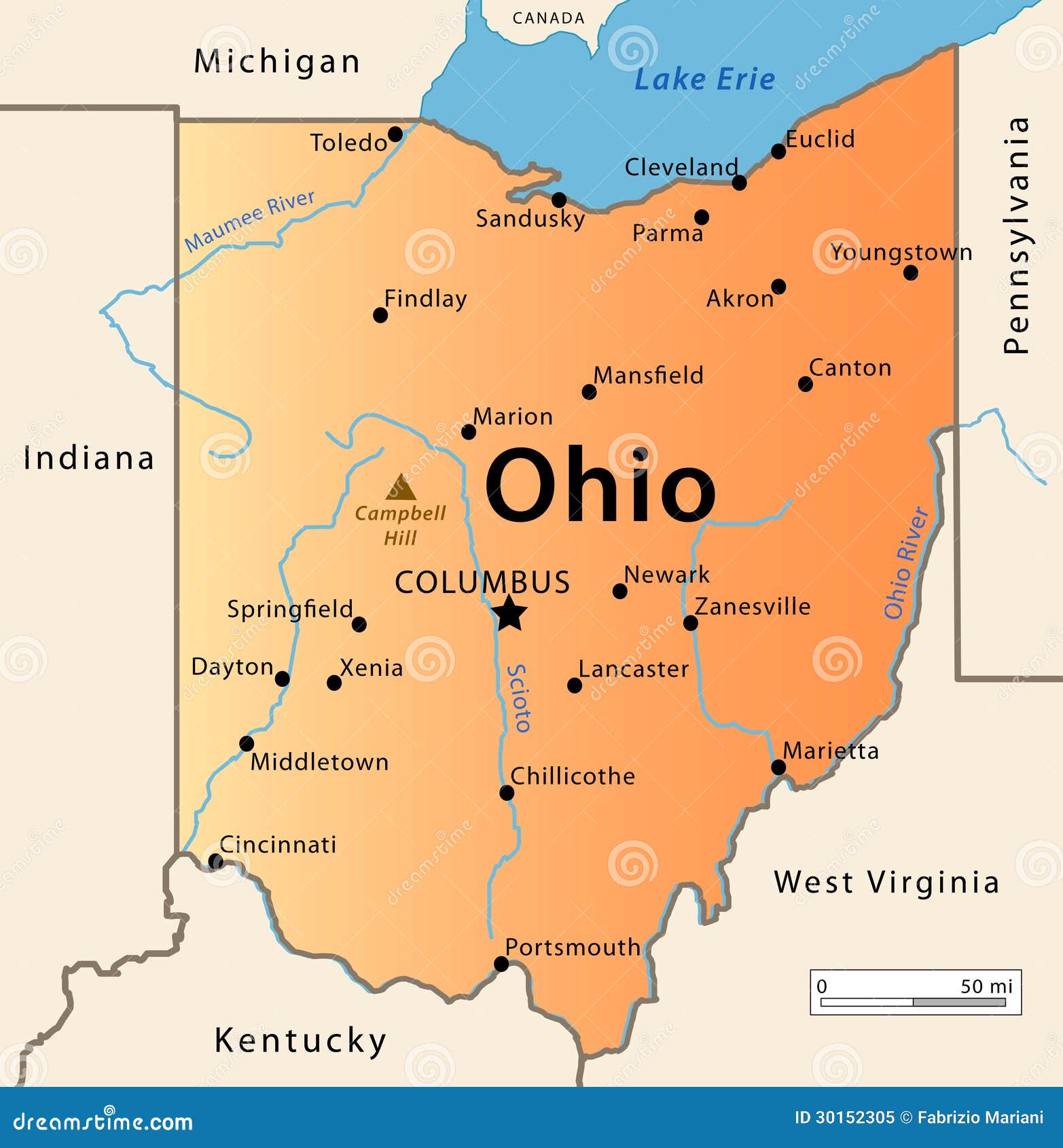
The Ohio National Guard's 684th Medical Company deployed 50 personnel to the U.S. Central Command area of responsibility to support Operation Spartan Shield. This deployment reinforces critical medical evacuation and health support networks across multiple operating bases in the Middle East.
Operation Spartan Shield functions as a vital U.S. Central Command mission designed to deter regional aggression, build partner nation capacity, and maintain combat readiness. State-based units rotate through this theater regularly to sustain theater-wide logistics, engineering, aviation, and force protection.
Understanding Operation Spartan Shield and Task Force Spartan
Task Force Spartan forms the U.S. Army component of Operation Spartan Shield, functioning under the operational control of U.S. Army Central. Headquartered primarily out of locations like Camp Arifjan in Kuwait, the mission spans various strategic outposts across Jordan, Saudi Arabia, and Iraq.
The operation's core objectives focus on maintaining a robust defense posture while strengthening relationships with regional partners. Units assigned to this mission participate in large-scale joint exercises, bilateral training engagements, and security cooperation events. These exercises ensure that active-duty, reserve, and National Guard elements operate smoothly alongside international coalition partners.
The Role of the 684th Medical Company
Medical units provide the backbone for operational safety during overseas deployments. The deployment of the 684th Medical Company brings specialized triage, emergency care, and medical evacuation capabilities directly to the theater.
- Area Support: Delivering routine and emergency outpatient medical care to deployed service members across dispersed operating locations.
- Evacuation Coordination: Managing patient movement protocols to ensure rapid transport from remote outposts to advanced surgical hospitals.
- Force Health Protection: Monitoring environmental and health risks to maintain unit fitness and operational longevity.
Without dedicated medical companies embedded within Task Force Spartan, combat and support brigades would face severe logistical vulnerabilities in isolated sectors.
Mobilization and Training Process for Guard Units
Deploying abroad requires months of rigorous preparation before a unit steps foot on a transport aircraft. State National Guard bureaus subject mobilizing companies to intense validation phases to ensure absolute readiness.
- Pre-Mobilization Validation: Soldiers complete individual medical readiness checks, weapons qualifications, and specialized skill evaluations at their home stations in Ohio.
- Mobilization Station Training: Units travel to designated U.S. mobilization platforms—such as Camp Shelby or Fort Bliss—to conduct collective live-fire drills, convoy protection exercises, and theater-specific cultural training.
- Final Departure Ceremonies: Families and community leaders gather at local call-to-duty events to honor the deploying soldiers before they embark overseas.
- In-Theater Handover: Arriving units complete a relief-in-place transition with outgoing elements, inheriting equipment, operational briefs, and sector responsibilities.
Strategic Significance of National Guard Rotations
The reliance on National Guard and Reserve components has evolved from a strategic reserve into an operational necessity. Roughly half of the total force supporting modern U.S. Central Command missions comes from non-active-duty branches.
Stateside citizen-soldiers bring unique civilian-acquired skill sets into military environments, ranging from advanced healthcare administration to heavy equipment logistics. This integration allows the Department of Defense to maintain a continuous rotational presence without over-exhausting active-duty divisions. You can review current deployment updates and structural overviews directly through the U.S. Army Central Task Force Spartan Portal and official reports via the Defense Visual Information Distribution Service.
Common Challenges Faced During Middle East Deployments
Deploying to the U.S. Central Command region presents distinct operational hurdles that units must navigate from day one.
- Extreme Climate Conditions: Summer temperatures regularly exceed 120 degrees Fahrenheit, requiring strict hydration discipline and equipment maintenance protocols.
- Distributed Operations: Personnel are often spread across multiple small-scale bases, stretching communication networks and supply lines.
- Rapidly Changing Geopolitical Dynamics: Units must maintain constant vigilance and flexible response strategies to adapt to emerging regional security threats.
Frequently Asked Questions
How long do National Guard deployments for Operation Spartan Shield typically last?
Most rotations last between nine to twelve months, which includes pre-mobilization training stateside and post-deployment demobilization processing.
Do National Guard members volunteer for these missions?
While many soldiers volunteer for overseas deployments, units are often selected and mobilized on a rotational force-generation cycle managed by the Department of the Army.
What happens to a soldier's civilian job while deployed?
Federal law under the Uniformed Services Employment and Reemployment Rights Act (USERRA) protects civilian employment rights, ensuring guard members can return to their previous positions with equivalent seniority and benefits after deployment.
How does the Ohio National Guard support families back home?
The Ohio National Guard operates family readiness groups and support networks that provide financial guidance, counseling, and community connection while service members are overseas.



