Ohio memes didn't start as a coordinated campaign. Instead, they grew out of random TikTok videos, surreal Twitter threads, and deep-seated internet irony that turned the Buckeye State into an endless punchline. If you've spent any time online over the last few years, you've likely seen clips of normal everyday occurrences captioned with phrases like "Only in Ohio" accompanied by distorted audio and unsettling imagery.
This hyper-fixation on a specific Midwestern state puzzles outsiders and residents alike. Why Ohio? Why not Indiana, Nebraska, or Kansas? The answer lies in a mix of geographic middle-ground anonymity, algorithmic virality, and the internet's love for absurd, hyper-local world-building that treats a real U.S. state like a dystopian sci-fi wasteland.
The Anatomy of the Trend
The Ohio meme ecosystem relies on a specific formula: treating the state as a chaotic, unpredictable dimension where the laws of physics and society don't apply. Videos show mundane things—like a local gas station, a cloudy sky, or a highway overpass—edited with aggressive filters, creepy sound effects, or sudden jumpscares. The underlying joke is simple: Ohio is so inherently weird and boring that it has crossed the event horizon into total absurdity.
This brand of humor is rooted in surrealism. By taking a real, recognizable place and exaggerating its mundane qualities into something sinister or otherworldly, creators subvert traditional regional stereotypes. It isn't malicious; it's a shared collective inside joke that snowballed into a global digital phenomenon.
How the Internet Turned Geography Into Fiction
To understand how Ohio became the internet's favorite fictional dystopia, we have to look at how digital culture processes geography. Coastal hubs like New York and Los Angeles dominate traditional media, leaving vast swaths of the American heartland feeling distant and abstract to online creators.
- The Blank Canvas Effect: Because many internet users view the Midwest as a vast, unchanging expanse of cornfields and interstates, it serves as a blank canvas for wild fiction.
- The "Only in Ohio" Catchphrase: This phrase acts as a blanket excuse for any bizarre, unhinged, or surreal video clip found online, regardless of where it was actually filmed.
- The Irony Shift: Gen Z and younger digital natives shifted away from clean, relatable humor toward chaotic, anti-meme irony where nothing makes sense on purpose.
Platforms like TikTok accelerated this process. Algorithms favor high-engagement shock value and quick narrative hooks, making surreal Ohio edits prime material for viral distribution. Once the meme reached critical mass, brands, sports teams, and even Ohio's own tourism agencies started leaning into the joke, completing the ironic feedback loop.
The Reality Behind the Buckeye State
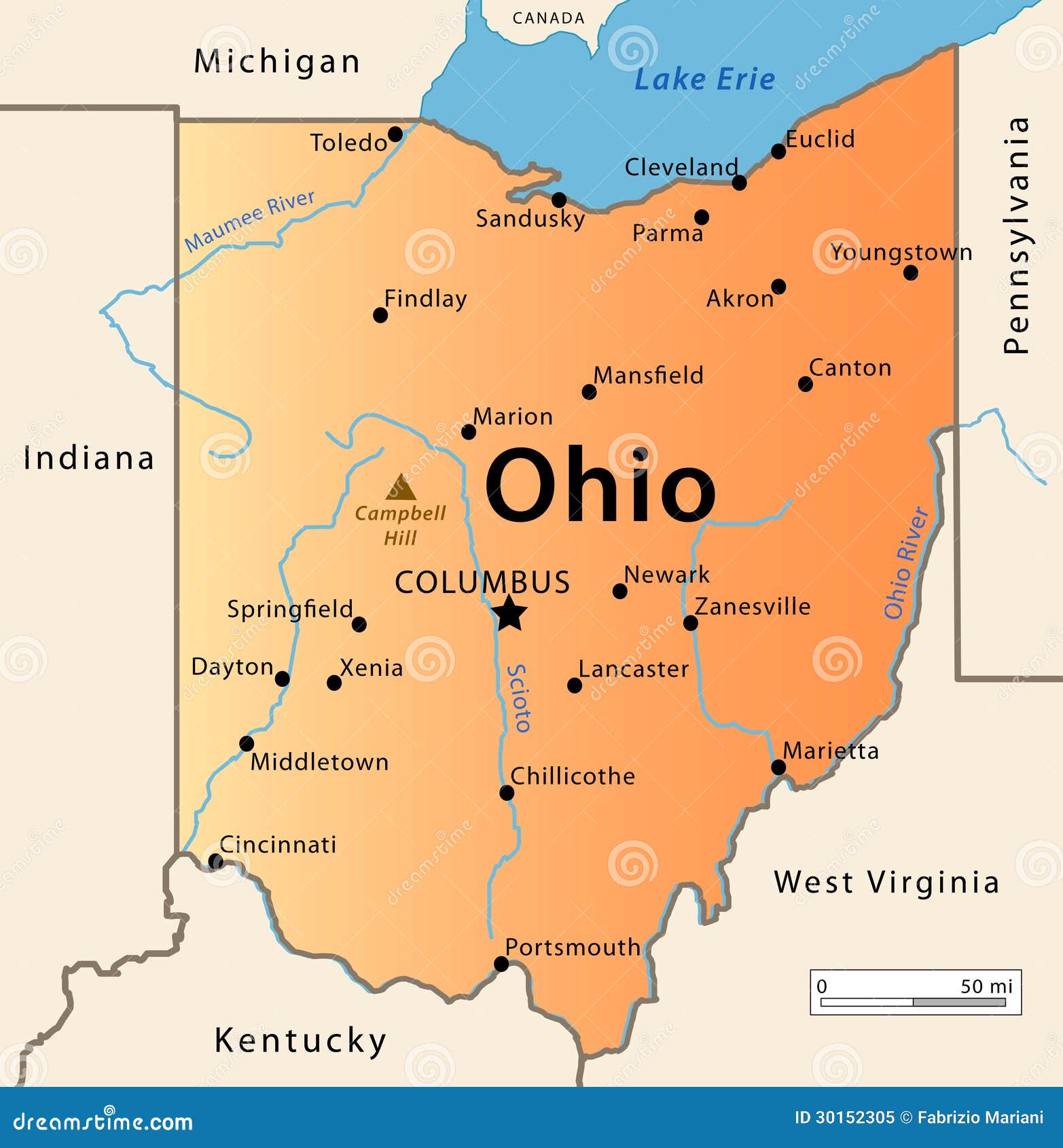
While the internet paints Ohio as a lawless wasteland populated by cryptids and runaway construction cones, the reality is far more grounded. Ohio is the seventh-most populous state in the U.S., boasting major cultural hubs like Columbus, Cleveland, and Cincinnati, thriving arts scenes, and rich industrial history.
In many ways, Ohio's status as a microcosm of America—containing a balance of urban centers, college towns, and rural counties—makes it uniquely resilient. Residents, known as Buckeyes, largely embraced the joke rather than getting defensive. Local businesses started selling "Only in Ohio" merchandise, and state institutions played along on social media, proving that self-awareness is the best defense against viral mockery.
Common Mistakes When Analyzing Internet Memes
When observers try to decode viral cultural shifts like the Ohio meme wave, they often fall into a few analytical traps:
- Treating it as targeted bullying: Many early commentators worried the trend was mean-spirited regional mockery. In practice, it's abstract absurdist theater that has almost nothing to do with actual Ohioans.
- Expecting a logical origin point: Viral trends rarely have a single inventor. Searching for the exact person who decided Ohio was weird misses how decentralized modern meme culture operates.
- Confusing irony with political commentary: While Ohio is a heavily watched political swing state, the meme wave is purely aesthetic and digital, detached from electoral politics.
Frequently Asked Questions
Why did Ohio become a meme instead of another state?
Ohio won the internet lottery through sheer coincidence and linguistic rhythm. "Only in Ohio" rolls off the tongue much easier than "Only in Iowa" or "Only in Missouri." Once a few viral videos caught on with that specific phrasing, the snowball effect took over.
Are people from Ohio actually upset by the jokes?
For the most part, no. Local businesses, universities, and residents embraced the absurdity. When a state leans into the joke, the internet loses its edge, turning potential cyberbullying into a badge of collective honor.
Will the Ohio meme trend ever die out?
Like all fast-moving internet jokes, the peak intensity has leveled off, but the phrase has cemented itself in modern digital slang. It functions similarly to older geographic jokes about Florida or Detroit.
How do internet memes affect real-world tourism?
Ironically, hyper-surreal memes can spark curiosity. Some travelers visit Columbus or Cleveland just to see what the fuss is about, turning digital irony into foot traffic for local coffee shops, museums, and parks.



