Motorists across the Buckeye State see them every single day, but few drivers realize how much history is stamped into an Ohio license plate. From the early days of municipal registration tags to the modern "Sunrise in Ohio" design, these metal rectangles reflect shifts in state pride, manufacturing limits, and legal requirements. Understanding how these plates evolved gives you a better grasp of state administrative history and vehicle laws.
The Evolution of Ohio Registration Standards
Before the state took total control of vehicle identification, local municipalities handled their own rules. Cities like Cleveland, Cincinnati, and Dayton issued separate metal numbers or initials for automobiles and motorcycles in the early 1900s. That changed when the state passed the Ward Automobile Law, shifting the power to a centralized registry and setting uniform standards for drivers.
For more than a century, passenger cars in Ohio carried both front and rear plates, with only a few exceptions. During World War II, metal conservation meant the state issued only a single rear plate alongside windshield validation stickers. A similar rationing approach occurred during the Korean War. Decades later, rules shifted permanently; Ohio officially dropped the mandatory front plate requirement, meaning modern passenger vehicles only need a rear-facing plate.
Iconic Designs and Historical Milestones
Ohio's plate aesthetics changed dramatically over the decades, moving from simple painted metal to complex multi-color landscapes.
- The 1938 Northwest Territory Plate: This marked a major turning point as the first Ohio plate to feature an illustration and a slogan, celebrating 150 years since the creation of the Northwest Territory.
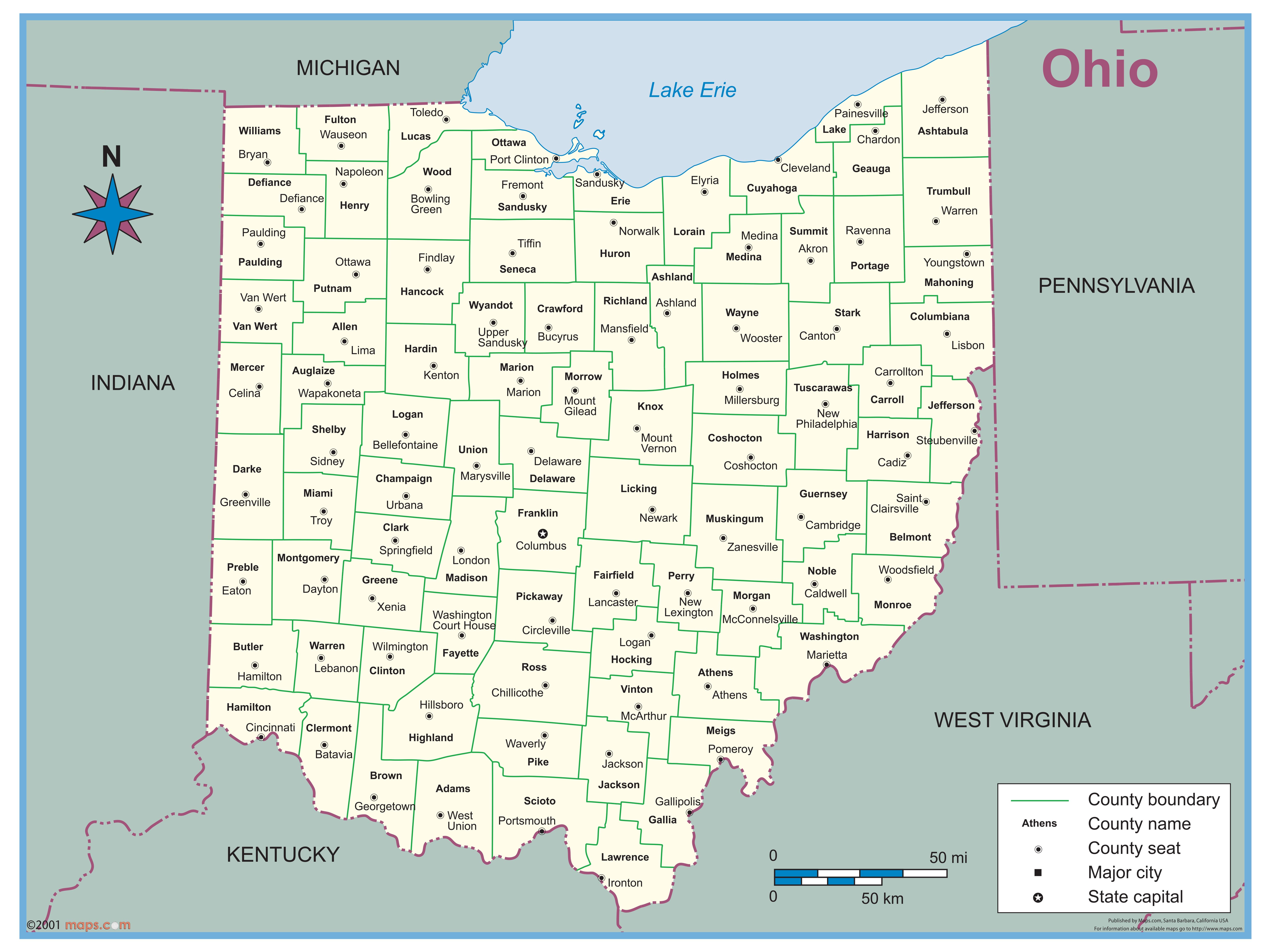
- The County Coding System: Between 1935 and 1979, the state issued serial numbers grouped strictly by Ohio's 88 counties. Drivers could instantly identify where a vehicle came from based on the letter prefixes.
- The Bicentennial and Sunburst Eras: Entering the 2000s, designs leaned heavily into vibrant graphics. The 2001 Bicentennial plate introduced a colorful gradient background, followed by the popular "Sunburst" design in 2003 and the "Beautiful Ohio" layout.
The current standard issue, known as "Sunrise in Ohio," debuted under Governor Mike DeWine. It features a scenic combination of a sunrise, the downtown skyline, a farm landscape, the Wright Brothers airplane, and a child on a swing with a dog. Early versions of this design drew quick public attention because the airplane graphic faced backward, prompting a rapid artistic correction before full public distribution.
Current BMV Rules and Customization Options
Acquiring and maintaining plates through the Ohio Bureau of Motor Vehicles involves specific guidelines regarding fees, validation, and specialized categories.
Standard passenger plates come included with regular vehicle registration fees, requiring no extra design surcharge. However, drivers who want a personalized touch can request customized character combinations. Personalized plates require an initial fee plus annual retention costs.
Beyond standard and personalized options, the state offers dozens of special interest and organizational plates. These support causes like wildlife conservation, military veterans, and universities such as The Ohio State University. Choosing a specialty design typically requires a dedicated one-time contribution fee alongside standard Ohio BMV registration costs, with portions of the funds going directly to designated non-profits or institutional programs.
Frequently Asked Questions
Do I still need to display a front license plate in Ohio?
No. Ohio law changed to eliminate the mandatory front plate requirement, meaning standard passenger vehicles only need to display a valid plate on the rear.
How can I tell which county an Ohio plate is from?
While older systems used direct letter codes for all 88 counties, modern standard plates use a two-digit county identification number sticker or a specific county name sticker located on the plate to indicate registration origin.
Are older Ohio license plate designs still valid for driving?
Most continuous-issue plates remain legal as long as the registration stays active and the reflective material meets state visibility standards, though older degraded bases eventually require mandatory replacement.
What was the inspiration behind the "Sunrise in Ohio" design?
The layout draws from the state seal and landscapes, aiming to showcase Ohio's natural beauty, industrial history, and aviation heritage through imagery like the Wright Brothers aircraft and a rural farm sunrise.



