Driving the Ohio Turnpike without an electronic toll tag means paying nearly double for every mile. If you commute across the state or take frequent interstate trips, getting an Ohio EZPass cuts your toll costs significantly while letting you breeze past long cash lines at highway exits.
Getting started requires understanding how account deposits work, where to mount your transponder properly, and how the state's discount tiers operate. Here is everything you need to know about setting up your account, avoiding hidden fees, and maximizing your highway savings.
How Ohio EZPass Works on the Turnpike
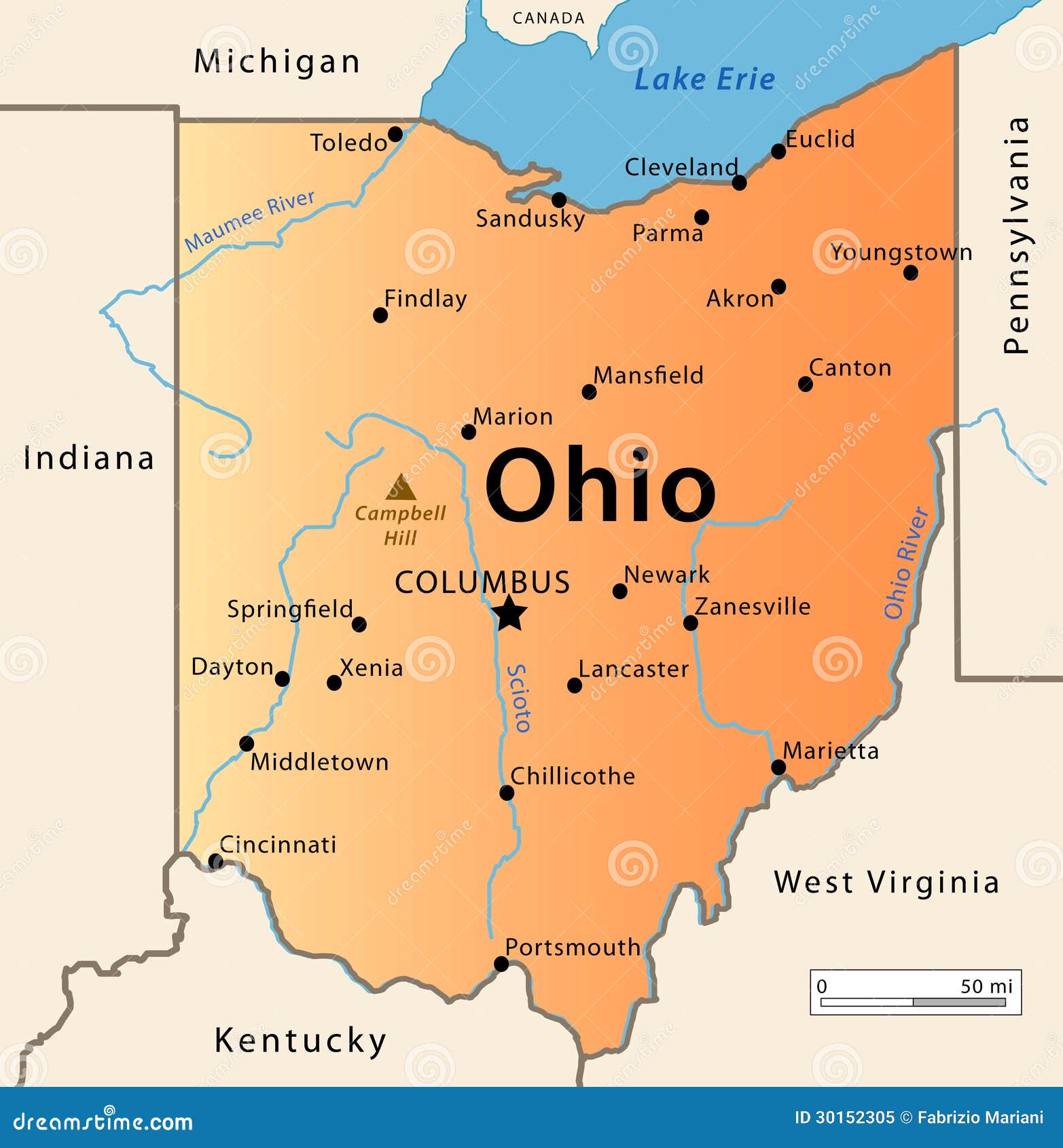
The Ohio Turnpike stretches 241 miles across northern Ohio, connecting the Indiana border to the Pennsylvania state line. The system uses overhead gantries and roadside antennas to communicate with transponders mounted inside vehicles.
When you drive past a toll point, the radio-frequency device transmits your unique account number in milliseconds. The system logs your entry and exit points to calculate the exact distance traveled. Because you don't need to stop or slow down below highway speeds, traffic keeps moving without the bottleneck of traditional cash collection booths.
Ohio's program participates in the wider E-ZPass Interagency Group network. That means your tag works seamlessly across neighboring states like Pennsylvania, Indiana, West Virginia, New York, and Illinois without requiring separate state accounts or extra transponders.
Setting Up Your Account and Mounting Your Transponder
Opening an account is straightforward, but a few upfront choices save you money and headaches later. You can sign up online through the Ohio Turnpike and Infrastructure Commission or call their customer service center.
When you create a personal account, you'll pay a small transponder deposit fee alongside an initial prepaid toll balance—typically $25 for a standard passenger vehicle. The system automatically replenishes this balance from your linked credit card or checking account whenever your funds drop below a specific threshold.
Proper installation ensures your transponder registers correctly every time:
- Clean the inside of your windshield right behind your rearview mirror with rubbing alcohol.
- Peel the backing off the mounting strips provided with your tag.
- Press the transponder firmly against the glass with the arrow pointing upward toward the roof.
- Never store your tag in the glove box or hold it out the window manually, as angled or blocked reads cause toll plaza errors.
Billing Realities and Dispelling Common Myths
A persistent misconception claims that maintaining an EZPass account costs extra monthly fees. For individual drivers using standard Ohio-issued tags, there is usually no monthly maintenance fee, provided you keep your account active and funded with a valid payment method.
Another myth suggests electronic tolling doesn't save money for occasional drivers. On the Ohio Turnpike, passenger car drivers save roughly 33% to 50% on tolls compared to cash or non-tag rates. Even if you only make two long trips across the state per year, the tag pays for itself.
Billing operates on a prepaid replenishment model rather than a traditional monthly bill. When your balance dips past the low-threshold trigger, your credit card gets charged for a new block of tolls. You can log into your online portal anytime to download itemized monthly statements showing exact timestamps, entry plazas, and exit costs for every trip.
Common Mistakes That Trigger Toll Penalties
Even with a working tag, drivers occasionally run into unexpected toll violations or video toll charges. Avoiding these common mistakes keeps your account in good standing:
- Failing to update vehicle info: If you buy a new car and swap your license plate without updating your account details, automated camera systems might flag your vehicle as untagged.
- Low balance triggers: If your credit card expires and replenishment fails, your transponder gets hot-listed. Passing through a gantry with a deactivated tag leads to violation notices and administrative fees.
- Improper tint or heated windshields: Metallic window tints or built-in windshield heating elements in certain luxury cars block radio frequencies. Drivers with these vehicles need external license plate-mounted transponders.
Frequently Asked Questions
Can I use my Ohio EZPass transponder in rental cars?
Yes, but you must log into your online account and add the rental car's license plate and dates of use before driving. If you forget, the toll system may capture the rental agency's plate and route a fine back to you.
What happens if my transponder battery dies?
Standard interior transponders last anywhere from three to five years. If your tag stops reading consistently at toll gates, contact customer service. They will test the device and usually replace it for free if it failed under normal use.
How do I close my account and get my deposit back?
You can close your account by calling customer service or mailing your transponder back to the Ohio Turnpike commission. Once they receive the functional device, they refund your remaining toll balance and your initial transponder deposit.
Are commercial vehicle rates different from passenger cars?
Yes. Commercial vehicles are categorized by axle count and weight class. Fleet operators use specialized commercial accounts that offer detailed axle reports, volume tracking, and specific tax documentation features.


