Ohio employee salaries often lag behind coastal tech hubs, but raw numbers rarely tell the whole story. When you factor in the state's modest cost of living, your paycheck stretches much further in the Buckeye State than it does in places like New York or San Francisco. Median household earnings and hourly wages sit slightly below the national average, yet regional expenses remain low enough to protect real purchasing power for everyday workers.
Understanding how Ohio wages stack up against national benchmarks requires looking beyond headline figures. Housing costs, grocery prices, and local tax structures shape how much disposable income remains in your bank account at the end of the month. Whether you're planning a career relocation or negotiating an internal raise, evaluating local compensation through a regional lens reveals distinct advantages and hidden pitfalls.
Average Wages and Regional Pay Disparities in Ohio
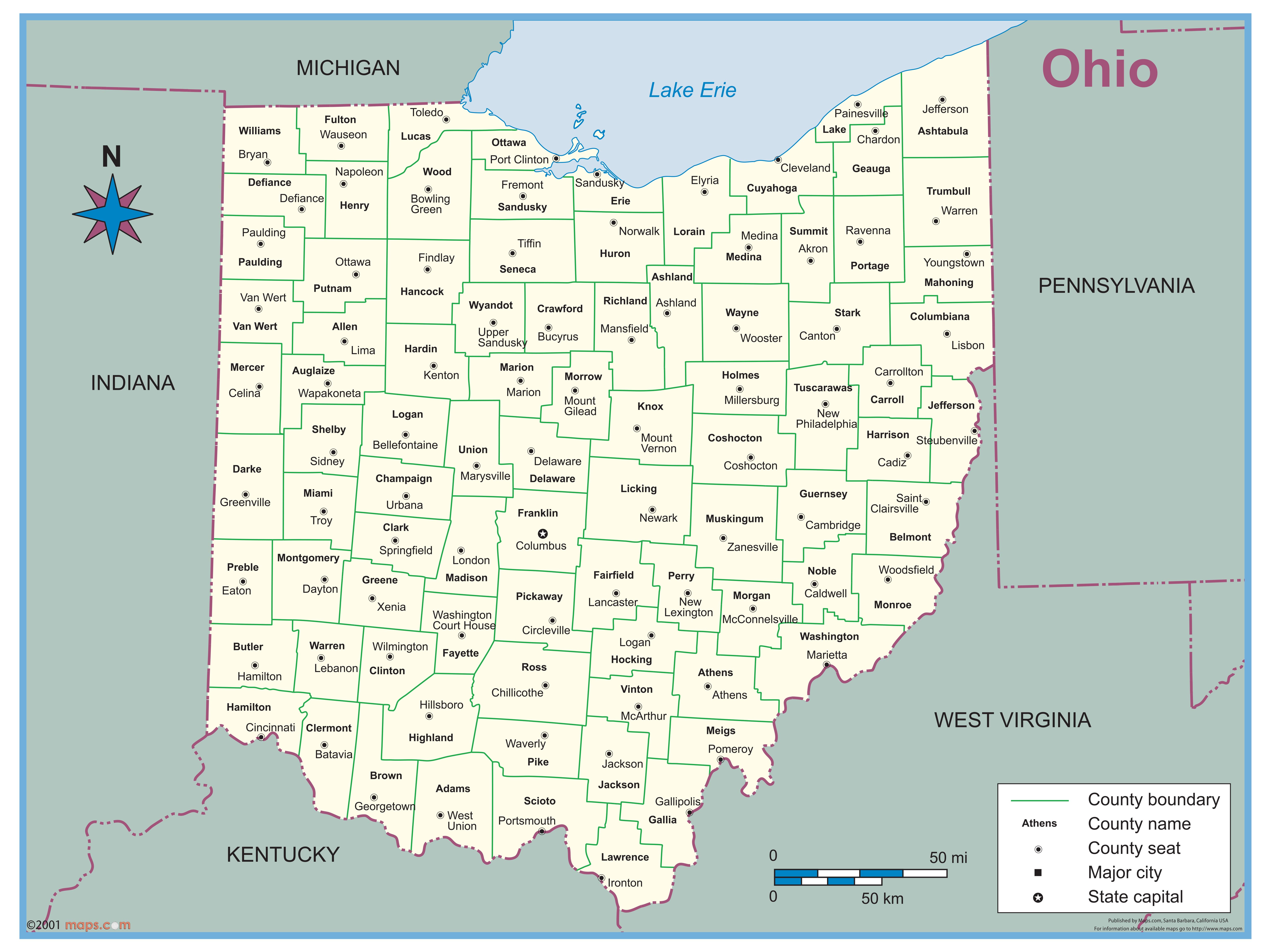
Median annual wages across Ohio hover around $55,000 to $60,000 for full-time workers, though averages vary wildly by sector and municipality. Major urban centers like Columbus, Cleveland, and Cincinnati boast higher concentrations of corporate headquarters, healthcare networks, and tech startups, driving average salaries up. Conversely, rural counties and smaller manufacturing towns see median earnings drop closer to the low $40,000s.
Manufacturing, health services, and trade drive the bulk of regional employment. While entry-level service roles often start near minimum wage or slightly above state mandates, specialized technical fields and advanced manufacturing roles command competitive six-figure packages.
- Columbus: Driven by insurance, finance, and higher education, salaries here tend to lead the state.
- Cleveland: Healthcare anchors the economy, with world-class hospital systems paying robust wages for clinical and administrative staff.
- Cincinnati: Corporate giants in consumer goods and logistics keep corporate salaries elevated compared to rural counterparts.
- Dayton and Toledo: Historic manufacturing hubs where skilled trades and production technicians find steady, middle-class wages.
The Purchasing Power Advantage
Nominal salary is only half the equation; purchasing power dictates what those dollars actually buy. Ohio consistently ranks well below the national average for cost of living. Housing expenses—historically the single largest line item in any household budget—remain significantly more affordable here than the national baseline.
According to data compiled by the U.S. Bureau of Labor Statistics, regional price parities in the Midwest reflect lower baseline costs for utilities, transportation, and groceries. A salary of $60,000 in Columbus or Akron provides a standard of living that would require an equivalent income upwards of $85,000 in high-cost coastal metros.
- Housing Costs: Median home values and monthly rents sit well below national medians, allowing residents to transition from renting to homeownership much earlier in their careers.
- Everyday Expenses: Local grocery and utility prices track closely with or slightly below national averages, shielding households from runaway inflation spikes seen elsewhere.
- Commute Times: Shorter average commute times across Ohio cities reduce monthly spending on fuel and vehicle maintenance compared to congested mega-regions.
Industry Breakdowns: Where the Money Is
Certain sectors dominate Ohio’s wage landscape, offering the fastest path to high earning potential without requiring a relocation to coastal markets. Healthcare, finance, and advanced engineering lead the pack in median compensation.
Professional and business services also provide strong mid-career salaries, particularly for project managers, software developers, and logistics specialists. Meanwhile, public sector roles, including state government employees and educators, offer stable pensions and reliable annual step increases, even if starting pay trails private sector equivalents.
Common Mistakes When Evaluating Job Offers in Ohio
Job seekers frequently miscalculate their true compensation when moving to or within Ohio. Relying solely on the base salary figure is a fast track to financial surprise.
- Ignoring Tax Variations: Ohio features a state income tax alongside municipal income taxes levied by specific cities or school districts. Always check the local tax rate of the exact municipality where your office is located, as city taxes can eat into net take-home pay.
- Underestimating Commute Costs: Trading a lower-cost home in a suburb for a downtown office might require factoring in daily parking fees or toll roads that erode your savings.
- Overlooking Total Benefits: A slightly lower base salary paired with robust healthcare premiums, remote work flexibility, and employer retirement matches often beats a higher gross wage with poor benefits.
Frequently Asked Questions
How does the cost of living in Ohio compare to the national average?
Ohio's cost of living typically runs roughly 10% to 15% below the national average, primarily driven by affordable housing, lower utility costs, and reasonable property taxes outside major urban cores.
What are the highest-paying industries in Ohio?
Healthcare administration, specialized manufacturing engineering, corporate finance, and technology management consistently rank as the highest-paying career fields across the state.
Do Ohio cities have local income taxes?
Yes. Unlike states that rely solely on state income taxes, many Ohio municipalities levy a local earnings tax ranging typically from 1% to 2.5% on earned income. Check the municipal tax rules of your specific workplace location.
Is purchasing power improving for Ohio workers?
Real wages have faced pressure from nationwide inflation cycles, but Ohio's lower housing baseline continues to give local workers an edge in net disposable income compared to peers in high-density coastal states.