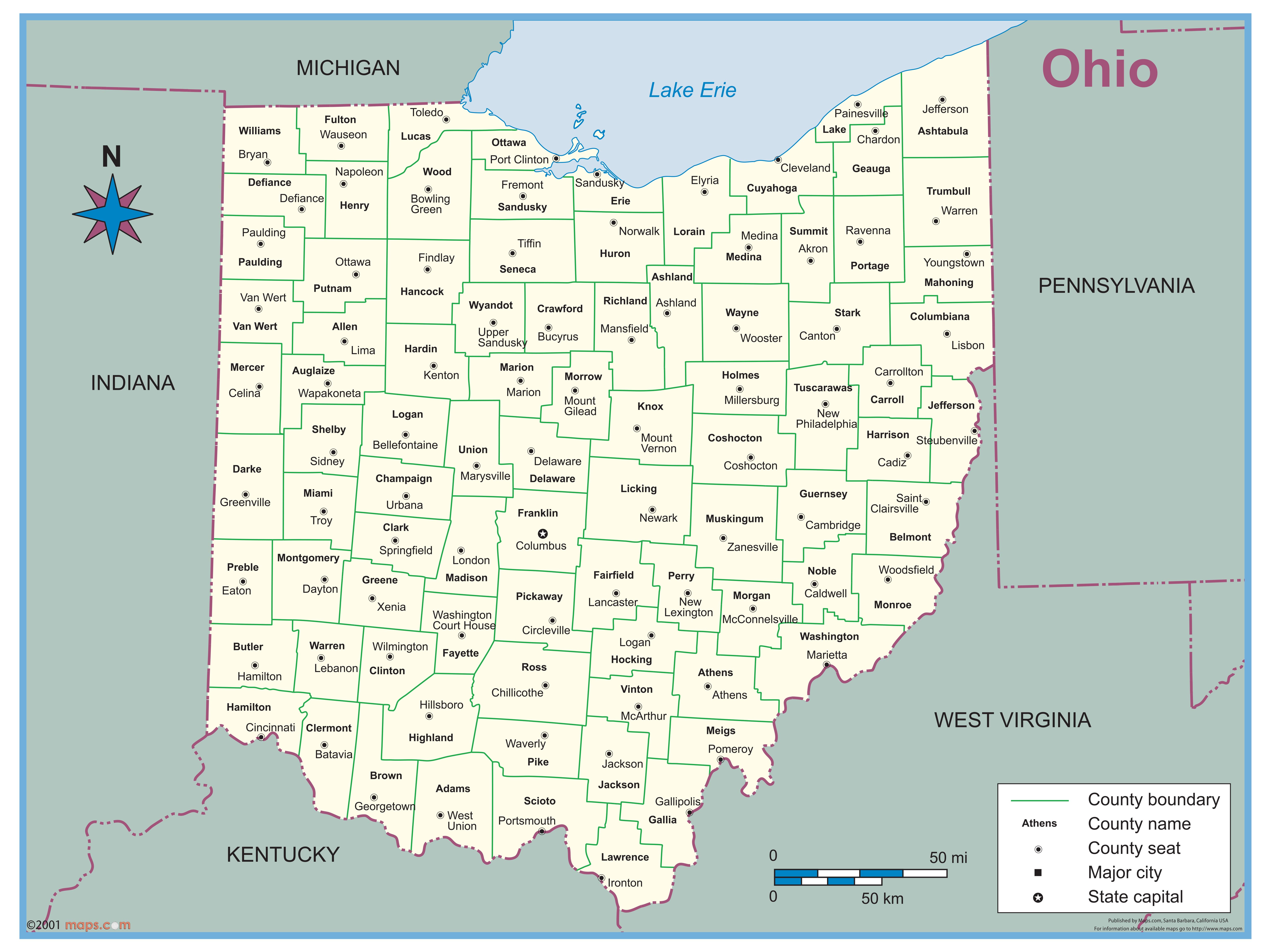
Ohio emergency medical services form a complex, multi-tiered network designed to deliver prehospital care across urban centers and rural townships alike. Governed by state statutes and coordinated regionally, the Buckeye State relies on a blend of career fire departments, volunteer rescue squads, and private transport providers to manage critical medical emergencies.
Understanding how this infrastructure operates requires looking past standard headlines and examining the actual regulatory frameworks, staffing requirements, and funding mechanisms that keep ambulances on the move. Whether you're studying public administration or tracking healthcare access in the Midwest, navigating Ohio's prehospital ecosystem reveals specific operational realities.
The Regulatory Framework and State Oversight
Prehospital care in Ohio doesn't happen in a vacuum. The Ohio State Board of Emergency Medical, Fire, and Transportation Services—housed within the Ohio Department of Public Safety—establishes the operational standards, training curricula, and certification rules.
The state divides its emergency response infrastructure into distinct operational regions. This regional approach ensures that trauma centers, local dispatch hubs, and transport units coordinate patient distribution efficiently. Under the Ohio Revised Code (ORC Chapter 4765), providers operate under strict medical oversight, requiring every licensed agency to maintain an affiliation with a supervising physician who dictates local treatment protocols.
Certification Tiers for Field Personnel
Ohio recognizes several distinct levels of provider certification, each with defined scopes of practice:
- Emergency Medical Responder (EMR): Provides basic, immediate lifesaving interventions while awaiting higher-level transport units.
- Emergency Medical Technician (EMT): Manages basic airway, ventilation, and circulatory support, including automated external defibrillation and basic medication administration.
- Advanced Emergency Medical Technician (AEMT): Handles limited intravenous access, advanced airway devices, and a broader array of emergency medications.
- Paramedic: Delivers advanced life support (ALS), including invasive airway management, complex cardiac rhythm interpretation, and extensive pharmacological interventions.
Medical Transportation Licensing and Vehicle Standards
Ground ambulances, mobile intensive care units (MICUs), and air medical services operating within the state must secure proper licensure through the Division of Emergency Medical Services. Under ORC Chapter 4766, medical transportation organizations undergo rigorous inspections to ensure vehicles meet mandatory safety and equipment configurations.
Staffing mandates depend directly on the level of service dispatched. For emergency runs, state law dictates minimum crew configurations to ensure patient safety during transit. For instance, an ambulance traveling to an emergency scene must carry at least one certified EMT, AEMT, or paramedic, alongside a qualified driver who meets specific training requirements.
Agencies must also maintain detailed electronic response records. These data points feed into state registries, allowing public health officials to track response times, cardiac arrest survival rates, and trauma triage accuracy across different counties.
Funding Mechanisms and Financial Pressures
The operational stability of local rescue squads varies widely. While municipal departments rely on local tax revenues and property levies, many volunteer and rural private-public hybrid agencies depend heavily on external support.
The Ohio EMS Grant Program provides essential supplemental funding to eligible agencies. These grants help cover the high costs associated with:
- Purchasing new ambulances and frontline response vehicles.
- Upgrading cardiac monitors, stretchers, and automated CPR devices.
- Funding continuing education and initial certification courses for personnel.
Despite state grant opportunities, many rural squads struggle with declining volunteer numbers and escalating equipment expenses. To bridge these gaps, regional systems increasingly rely on mutual aid agreements, allowing neighboring municipalities to share resources during mass-casualty incidents or severe staffing shortages.
Common Operational Challenges in Ohio EMS
Operating a prehospital network across diverse geographic landscapes introduces distinct hurdles. Addressing these systemic obstacles requires continuous administrative adjustments.
- Rural Staffing Shortages: Many volunteer fire-rescue departments face chronic recruitment hurdles, forcing neighboring paid districts to cover wider geographic radiuses.
- Hospital Turnaround Delays: Emergency departments experiencing capacity bottlenecks can trap ambulance crews in hallway care loops, temporarily reducing available frontline units in a community.
- Inter-Facility Transport Demands: Moving critically ill patients between community hospitals and tertiary care centers strains available MICU assets, balancing 911 emergency response against scheduled transfers.
For official updates on rules, training accreditation, and transport licensing, consult the Ohio Division of Emergency Medical Services. For broader public health statistics and regional health resource data, review reports provided by the Ohio Department of Health.
Frequently Asked Questions
What agency regulates emergency medical services in Ohio?
The Ohio State Board of Emergency Medical, Fire, and Transportation Services—operating under the Ohio Department of Public Safety—manages certification, training accreditation, and medical transportation licensing.
What are the minimum staffing requirements for an emergency ambulance run in Ohio?
An ambulance responding to an emergency scene must have at least one certified EMT, AEMT, or paramedic, alongside an approved driver who can rendezvous with clinical staff if necessary.
How do Ohio EMS agencies acquire funding for new equipment?
Agencies can apply for state-administered Ohio EMS and Trauma System Grants, which help offset the costs of vehicle purchases, medical gear, and staff training programs.
Are all medical transport vehicles in the state required to be licensed?
Yes. Ground ambulances, air medical services, mobile intensive care units, and ambulette wheelchair services must hold active licenses through the state unless specifically exempted by statute.


