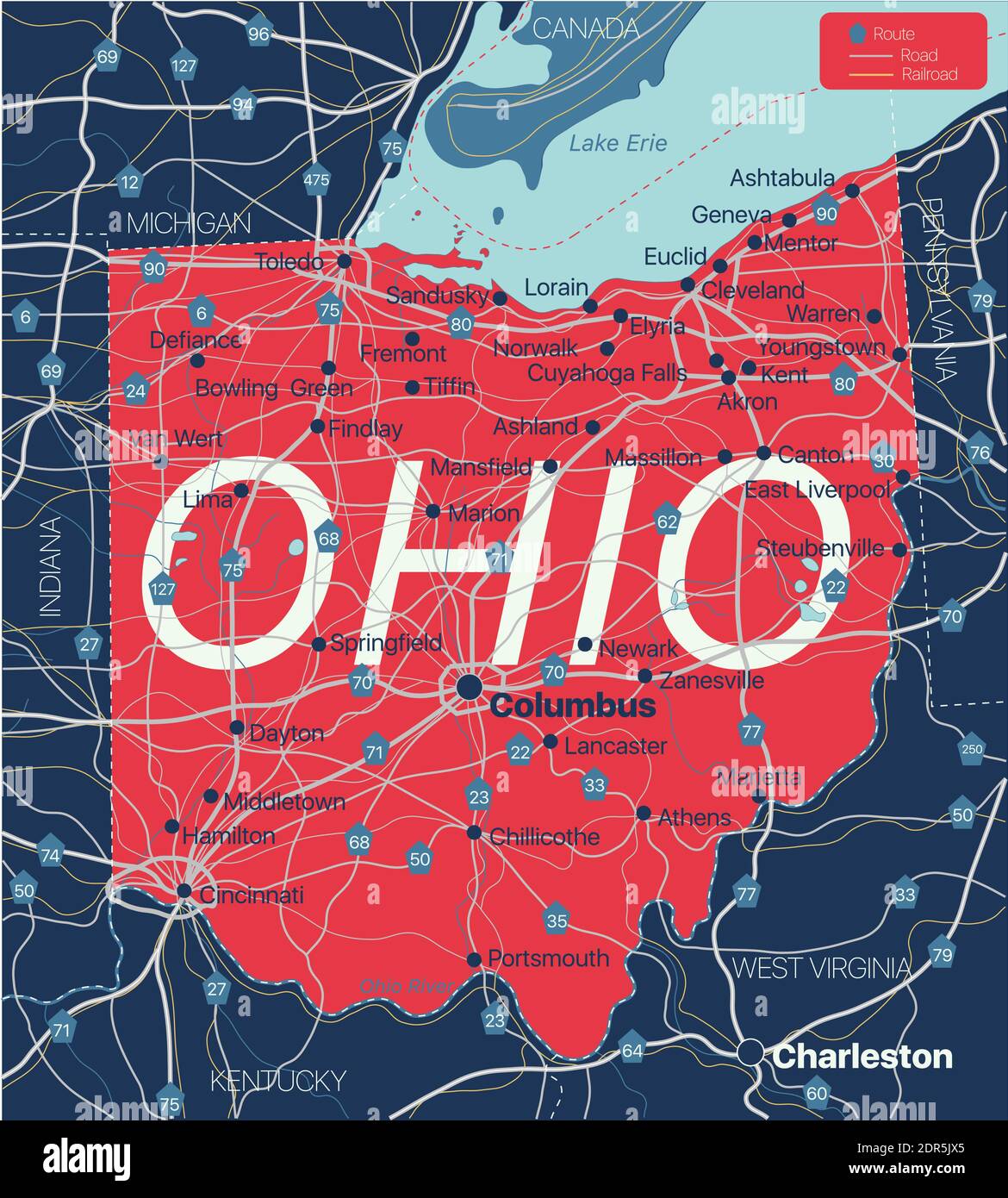
Ohio operates entirely within the Eastern Time Zone, aligning its clocks with major East Coast financial and cultural hubs despite sitting firmly in the industrial Midwest. From Cincinnati up to Cleveland, the state observes Eastern Standard Time (EST) at UTC-5 during the winter months and shifts to Eastern Daylight Time (EDT) at UTC-4 from mid-March through early November.
Unlike neighboring states such as Indiana or Kentucky, which split time zones across different counties, Ohio maintains uniform timekeeping statewide. This geographical consistency shapes everything from local broadcasting schedules to logistics corridors connecting the Great Lakes to the Atlantic seaboard.
The Structure of Ohio Timekeeping
The state follows standard federal guidelines managed by the Department of Transportation under the Uniform Time Act. Clocks move forward one hour on the second Sunday in March and fall back one hour on the first Sunday in November.
- Winter months (November to March): Operating on UTC-5 (EST), resulting in earlier sunsets around 5:00 PM local time during December.
- Summer months (March to November): Operating on UTC-4 (EDT), pushing daylight hours later into the evening.
- Statewide uniformity: Every single county from border to border adheres strictly to Eastern Time, eliminating internal border confusion for commuters and businesses.
Historical Shift Toward Standardization
Before the late nineteenth century, time in Ohio was strictly local, based entirely on the sun's position relative to individual towns. Noon occurred when the sun reached its local zenith, meaning clocks in Columbus differed by minutes from those in Steubenville or Dayton.
The rapid expansion of the railroad industry shattered this localized approach. Coordinating freight schedules, passenger safety, and telegraph communications across state lines forced a transition toward unified regional zones. In 1883, American railroads instituted standard hourly increments, and the federal Standard Time Act of 1918 officially codified these zones into law. Ohio's economic integration with eastern manufacturing centers and East Coast markets cemented its place in the Eastern zone rather than the Central zone.
Practical Impacts on Business and Daily Life
Operating on Eastern Time grants Ohio distinct operational advantages. Because major financial markets in New York and government centers in Washington, D.C., operate on the same schedule, corporate and legal communication requires no time-offset calculations.
- Corporate synchronization: Financial institutions, logistics hubs, and manufacturing plants coordinate seamlessly with partners along the Atlantic corridor.
- Media and broadcasting: Television networks use Eastern Time as the baseline for prime-time programming blocks, matching the largest domestic viewer markets.
- Interstate friction points: Commuters traveling west into Indiana or crossing certain regional borders must account for shifts into the Central Time zone, particularly near western border counties.
You can check official federal time zone boundaries and regulations directly through the U.S. Department of Transportation. For precise atomic clock synchronization across all local districts, consult the National Institute of Standards and Technology.
Common Mistakes and Misconceptions
People unfamiliar with Midwestern geography often assume that states bordering Indiana or sharing longitude with western parts of the region must observe Central Time.
- Assuming split zones: Unlike neighboring states, Ohio has no internal time zone division.
- Forgetting Daylight Saving adjustments: Digital systems automate changes, but mechanical clocks and legacy industrial equipment require manual intervention twice a year.
- Confusing solar noon with clock noon: Because Ohio sits on the western edge of the Eastern Time Zone, true solar noon happens later than 12:00 PM local time, especially during standard time.
Frequently Asked Questions
Does any part of Ohio observe Central Time?
No. Every county in Ohio operates exclusively within the Eastern Time Zone.
When do clocks change in Ohio?
Clocks move forward one hour on the second Sunday of March and move backward one hour on the first Sunday of November.
Why is Ohio in the Eastern Time Zone instead of Central?
Historical railway routing, commercial alignment with East Coast industrial centers, and economic ties to Pennsylvania and New York pulled the state into the Eastern zone during the late nineteenth century.
How does Ohio's position affect sunset times?
Because Ohio sits on the western fringe of the Eastern Time Zone, sunsets occur later relative to clock time compared to coastal states like Maine or New York.



