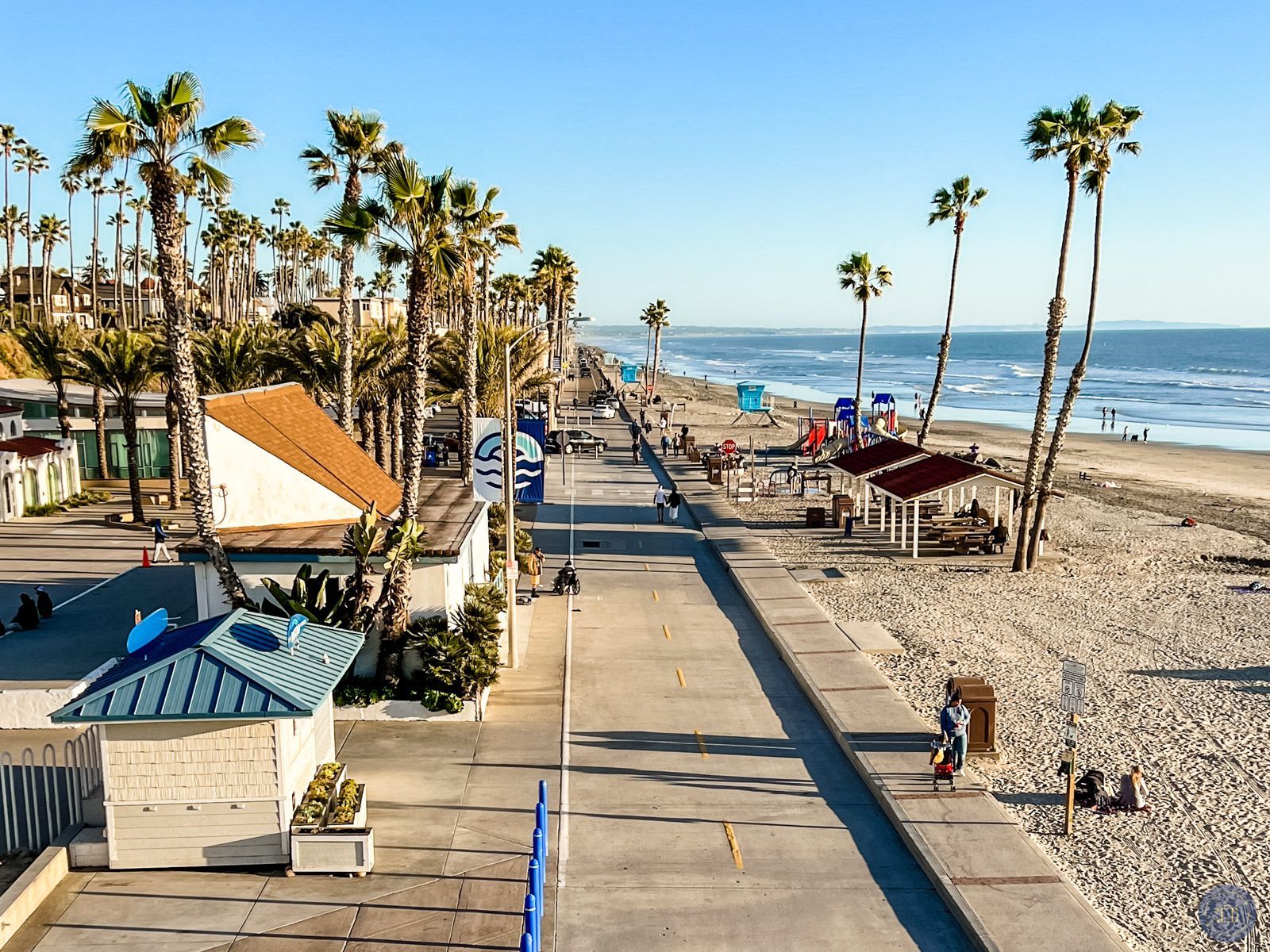
Oceanside, New York, sits at a complex ecological and architectural crossroads. Bound by tidal marshlands, bays, and the constant meteorological pressures of the Atlantic coastline, this suburban hamlet faces an intensifying struggle between modern residential growth and shifting environmental realities. Traditional suburban expansion now collides head-on with rising sea levels, severe storm surges, and the delicate preservation of local ecosystems.
Understanding this friction requires examining how natural coastal processes shape local infrastructure, how municipal growth strains aging drainage networks, and how residents actively work to preserve a distinct community identity. From historic maritime roots to contemporary climate adaptation strategies, Oceanside exemplifies the trials facing densely populated coastal communities across the region.
The Physical Setting: Coastal Dynamics of South Shore Long Island
The geography of Oceanside is defined by its proximity to the south shore's barrier island system, tidal creeks, and expansive bays. Unlike rocky coastal zones, low-lying estuarine environments respond dramatically to minor shifts in sea level and severe weather patterns. Tidal actions continuously move sediment through local waterways, while coastal storms reshape salt marshes and shorelines.
These dynamic natural processes create ongoing maintenance challenges for local infrastructure. Bulkheads, docks, and paved surfaces interfere with the natural absorption capabilities of surrounding wetlands. When heavy rainfall coincides with high astronomical tides—often referred to as sunny-day flooding or nuisance flooding—low-lying streets and residential yards experience water accumulation with little natural drainage relief. To see the full picture, check out the detailed report by The New York Times.
Protecting these neighborhoods involves balancing structural interventions with natural safeguards. Environmental agencies across New York State emphasize the importance of retaining natural protective features, such as wetlands and tidal flats, which act as natural buffers against wave action and storm surges.
Infrastructure Pressures and the Realities of Modern Growth
Growth in Oceanside isn't marked by massive skyscrapers, but rather by the intensification of suburban density. Older housing stock undergoes frequent renovation, teardowns, and expansions to accommodate multi-generational living or rising property demands. However, municipal infrastructure originally designed decades ago struggles to handle modern demands.
- Stormwater Management: Older drainage pipes frequently lack the capacity to handle intense, sudden precipitation events brought by modern storm systems.
- Impervious Surfaces: Driveways, paved commercial lots, and expanded building footprints reduce the acreage of permeable soil available to absorb rainfall naturally.
- Sewer and Utility Strain: Increased household density places heavy loads on underground sewage lines that run parallel to high water tables.
To combat these strains, municipal planning requires rigorous environmental review. Local zoning boards increasingly evaluate how new construction projects handle on-site stormwater retention. Developers can't simply pave over parcels without proving that runoff won't exacerbate neighborhood flooding during heavy downpours.
Preserving Community Identity Amid Environmental Change
Despite suburban modernization and environmental vulnerabilities, Oceanside retains a fiercely loyal identity rooted in its maritime heritage, local civic organizations, and multi-generational family ties. Neighborhood cohesion often spikes during crisis recovery, such as organizing community responses after major storm events.
Community identity here is also tied to recreational access and local commerce. Small businesses along major corridors like Long Beach Road anchor the local economy, while local parks and waterways provide residents with a direct connection to the surrounding coastal ecology. Maintaining this identity requires civic leaders to champion projects that protect the neighborhood's physical integrity without pricing out long-standing residents or erasing local character.
Civic associations play a major role in local governance, attending town board meetings to voice concerns over high-density zoning variances and push for infrastructure upgrades. This grassroots activism ensures that growth decisions reflect the community's long-term interests rather than short-term commercial gains.
Mitigation Strategies and Climate Adaptation Steps
Mitigating coastal and stormwater risks requires a shift from reactive repairs to proactive adaptation. Municipalities and property owners across Long Island increasingly rely on a mix of gray and green infrastructure solutions.
- Elevating Vulnerable Structures: Homeowners frequently raise older homes on pilings or flood-vented foundations to comply with updated Federal Emergency Management Agency guidelines and reduce structural insurance premiums.
- Bulkhead Maintenance and Living Shorelines: Replacing deteriorating wooden bulkheads with engineered living shorelines—incorporating native marsh grasses, rock sills, and intertidal plantings—helps absorb wave energy naturally.
- Enhanced Drainage Assets: Installing backflow preventers on outfalls stops tidal water from pushing back up into street drains during high tides.
For deeper insights into state-level environmental protections and hazard mitigation frameworks, review the NYSDEC Coastal Management Program. Additional planning resources can also be found through the National Oceanic and Atmospheric Administration guidelines on coastal resilience.
Frequently Asked Questions
What are the main drivers of coastal flooding in Oceanside?
Coastal flooding in Oceanside is primarily driven by a combination of nor'easters, severe tropical storms, spring high tides, and long-term relative sea-level rise. Because the community sits low near tidal bays, high water easily breaches normal drainage paths.
How does new construction impact neighborhood drainage?
New construction often increases the amount of impervious surface—such as roofs and asphalt—which prevents rainwater from soaking into the ground. Without modern drywells or retention systems, this excess runoff overwhelms municipal storm sewers.
What is a living shoreline, and how does it help?
A living shoreline uses natural elements like native wetland plants, sand, and stone sills to stabilize the coast. Unlike rigid concrete bulkheads, living shorelines absorb wave energy and adapt naturally over time while improving local water quality.
How can homeowners lower their flood insurance risks?
Homeowners can reduce risk and potentially lower insurance premiums by elevating mechanical systems, installing flood vents, raising the living space above base flood elevations, and participating in local community rating system programs.



