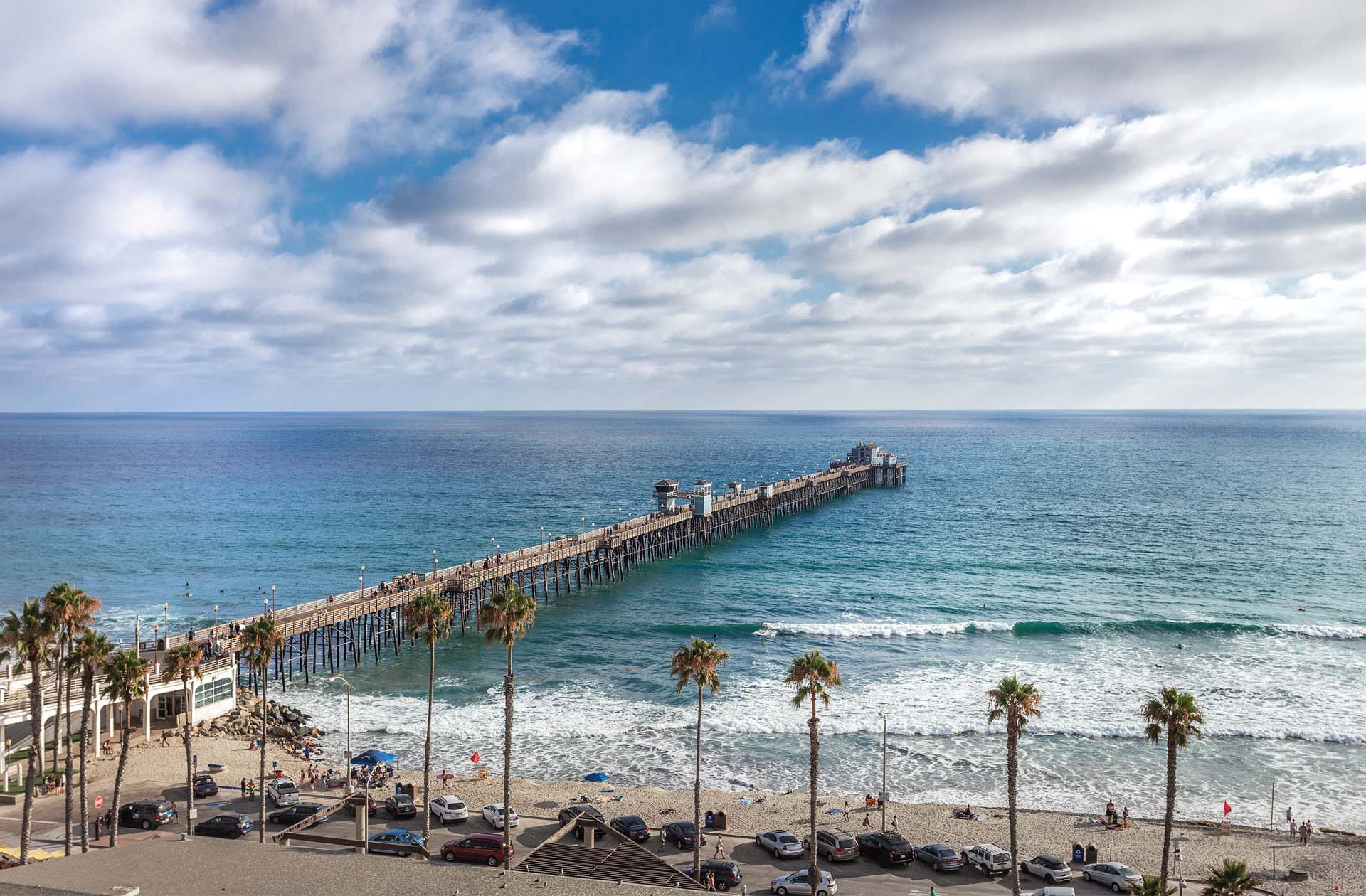
Navigating an oceanside car accident requires knowing local reporting procedures, state insurance laws, and immediate safety steps. If you've been involved in a collision along Interstate 5 or State Route 78, acting quickly protects both your health and your legal rights.
When a crash happens in Oceanside, California, confusion often follows. You need clear answers regarding police documentation, liability rules, and medical follow-ups. This guide breaks down what to do after a crash, how to access official records through the Oceanside Police Department, and how California regulations govern your claim.
Immediate Steps After an Oceanside Crash
The moments right after a collision set the course for everything that follows. Staying calm helps you avoid critical mistakes that could jeopardize your insurance claim or personal injury case.
- Move to safety: If the vehicles are drivable and no one has severe injuries, pull over to the shoulder or a nearby side street to avoid blocking traffic on busy corridors like Mission Avenue or El Camino Real.
- Check for injuries: Assess yourself and your passengers. Call 911 immediately if anyone feels pain, loses consciousness, or needs emergency medical attention.
- Exchange details: Get the other driver's full name, phone number, insurance policy number, license plate, and vehicle make and model. Take photos of all vehicles involved, noting license plates and damage angles.
- Document the scene: Snap wide shots of the intersection or highway layout, skid marks, traffic lights, and street signs. Visual evidence disappears quickly once vehicles are towed.
Police Reports and Official Documentation
California law requires you to report any traffic collision to the California Highway Patrol or local police if there are injuries, fatalities, or property damage exceeding one thousand dollars.
For crashes within city limits, officers from the Oceanside Police Department typically respond to manage the scene and file an official report. You'll need this document when dealing with insurance companies.
- Requesting a copy: You can obtain your collision report by contacting the Oceanside Police Department records division online, by phone at 760-435-4900, or in person at their main station located at 3855 Mission Ave.
- Filing an SR-1: Under California law, drivers involved in an accident with injury or property damage over one thousand dollars must file an SR-1 form with the Department of Motor Vehicles within ten days, regardless of who caused the crash. Failing to do so can lead to license suspension.
Dealing With Insurance Adjusters
Insurance companies move fast after an accident, but their goals don't align with yours. Adjusters often call within twenty-four hours to gather recorded statements.
Protect your claim by sticking to the basic facts. Don't speculate about fault, and don't accept a quick settlement offer before you've completed a full medical evaluation. Many soft-tissue injuries, such as whiplash or mild concussions, take days to show clear symptoms.
- Notify your insurer: Report the crash to your own insurance provider promptly, keeping your statement concise and factual.
- Decline early recorded statements: You aren't legally required to give an immediate recorded statement to the other driver's insurance company without preparation.
- Keep medical records: Save every bill, prescription receipt, and doctor's note related to the accident. A paper trail proves the financial impact of the crash.
Comparative Fault in California
California follows a pure comparative negligence system. This means that even if you bear partial blame for a collision—such as driving slightly over the speed limit while another driver ran a red light—you can still recover financial compensation.
Your total award is simply reduced by your percentage of fault. If a court or insurer determines you were twenty percent responsible for an accident totaling ten thousand dollars in damages, you can still collect eight thousand dollars. Because insurance adjusters frequently try to inflate your share of the blame, having clear evidence from the scene is vital.
Common Mistakes to Avoid
Avoiding typical pitfalls after a collision keeps your claim on solid ground.
- Skipping the medical check: Adrenaline masks pain. Refusing a paramedic evaluation or waiting weeks to see a doctor makes it easy for insurers to argue your injuries didn't stem from the crash.
- Posting on social media: Venting about your accident online gives opposing insurance adjusters ammunition to minimize your injuries or claim you weren't hurt as badly as you claim.
- Accepting verbal agreements: Don't let another driver talk you out of calling the police to "settle it in cash." Without an official report, you have no leverage if they later deny responsibility.
Frequently Asked Questions
How long do I have to file a personal injury lawsuit in California?
The statute of limitations for personal injury claims in California is generally two years from the date of the accident. For property damage claims, you typically have three years. Missing these deadlines means you lose your right to sue.
What should I do if the other driver flees the scene?
If you're involved in a hit-and-run, call 911 immediately. Note the car's color, make, model, partial license plate, and direction of travel. File a police report right away so your uninsured motorist coverage can kick in if you have that policy option.
Do I need a lawyer for a minor fender-bender?
If the accident involved only minor property damage and no injuries, you can usually handle the claim through insurance. If anyone suffered physical injury, or if liability is heavily disputed, consulting a qualified attorney makes sense.
How much does it cost to get an accident report in Oceanside?
The Oceanside Police Department charges a nominal administrative fee for physical copies of accident reports, usually covering printing and processing costs. Call their records department ahead of time to confirm the exact fee and accepted payment methods.



