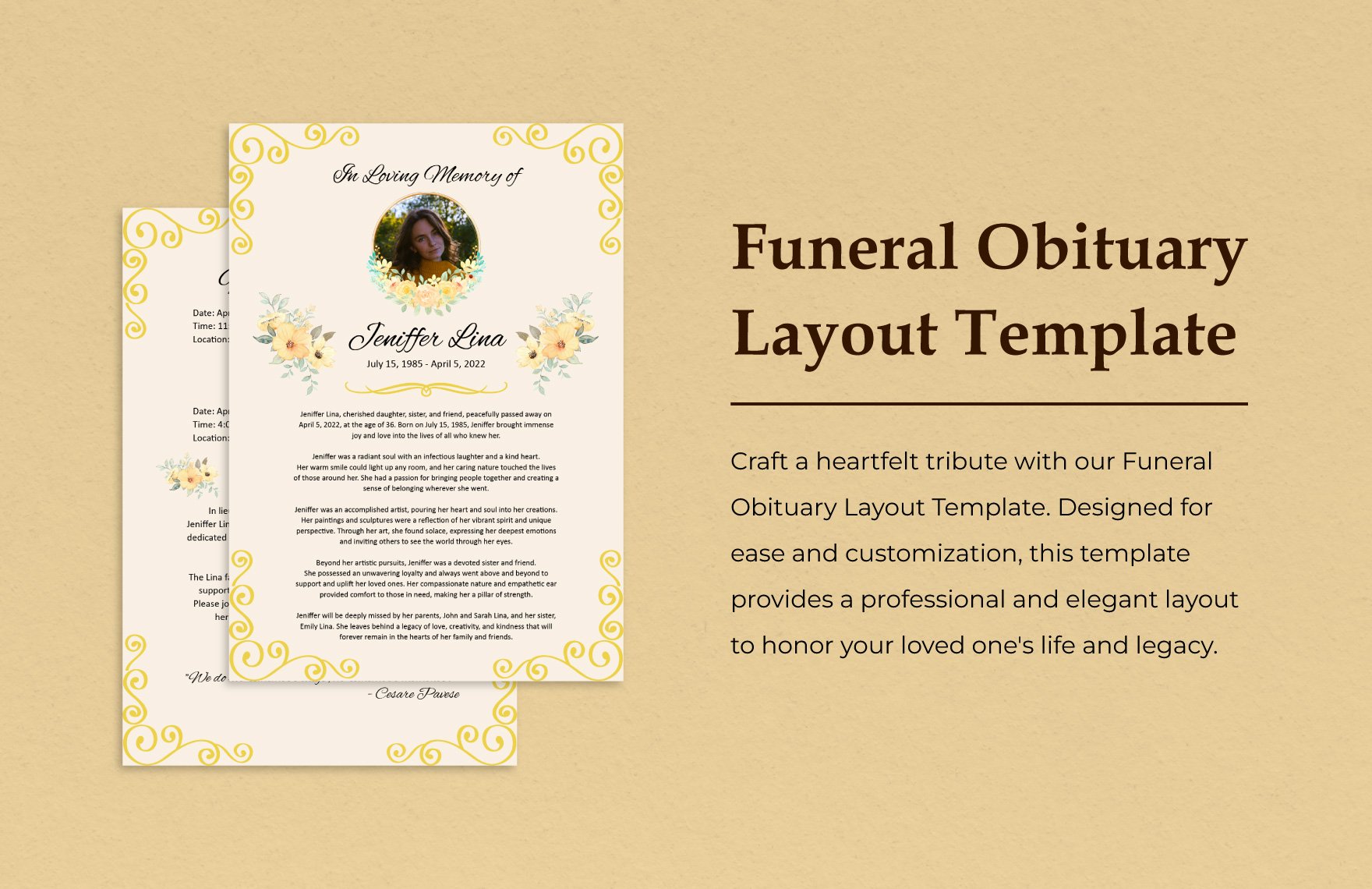
Writing an obituary used to mean sticking to a rigid, highly sanitized template. Families would list dates, surviving relatives, and basic biographical facts while carefully omitting anything messy or painful. Today, a growing number of families and funeral directors are changing that approach, breaking through cultural taboos by choosing raw, honest, and deeply emotional tributes that capture a person's authentic life.
If you are tasked with writing a tribute for someone you love, moving beyond sterile clichés can feel daunting. Shifting away from traditional formulas allows you to honor a person's genuine struggles, quirks, and triumphs without fearing judgment. This guide explores practical ways to write an authentic obituary, drawing on modern insights from funeral professionals and grieving families alike.
Why Raw and Honest Obituaries Matter
Traditional obituaries often read like dry resumes. They list high schools, employers, and club memberships, wrapped in generic phrases like "survived by a loving family" or "peacefully passed away." While functional, these standardized notices rarely capture the essence of who the deceased actually was.
When families share real struggles—such as battles with mental health, addiction, or long-term illness—something shifts. The stigma around difficult topics begins to dissolve.
- Validation of Real Life: Human lives are complex, messy, and multi-dimensional. Honoring that complexity validates the lived experience rather than masking it.
- Connection Over Perfection: Readers connect with vulnerability. An honest reflection invites genuine empathy rather than polite, detached condolences.
- Permission to Grieve: When a notice acknowledges hard truths, it gives other mourners permission to feel their own complex emotions without shame.
Step-by-Step Guide to Crafting an Authentic Tribute
Writing an emotionally resonant obituary requires balancing personal storytelling with practical information. You do not have to air every private detail to make a tribute feel real and grounded.
1. Ditch the Clichés and Corporate Tone
Start by throwing out phrases you have seen in a hundred other notices. Avoid starting with "It is with heavy hearts that we announce..." unless it truly resonates with your voice. Instead, open with a sentence that sounds like how your loved one actually lived.
For example, if your father was a notoriously sarcastic mechanic who loved bad jokes, let that tone peek through early. If your sister struggled for years with addiction before losing her life, addressing that reality with dignity can help destigmatize the conversation around substance use.
2. Focus on Specificity Over Generosity
General praise is easy to forget, but specific details linger. Instead of writing that someone "loved helping people," describe the specific way they helped.
- Generic: "She was a kind person who loved gardening and her community."
- Specific: "She spent every Saturday morning nursing neglected orchids back to health and arguing passionately about local zoning laws at town council meetings."
3. Balance Honesty with Respect for Privacy
Being honest does not mean sharing every private detail or airing family grievances. The goal is authenticity, not overexposure. Ask yourself what the deceased would have wanted shared and what honors their memory best while keeping living family members safe and comfortable.
Practical Information You Still Need to Include
While emotional depth makes an obituary memorable, it still serves a functional purpose. Readers need to know logistics. Do not let the creative writing overshadow the essential facts:
- Full Legal Name and Preferred Name: Include nicknames if they were widely known.
- Dates of Birth and Passing: Simple and clear chronology.
- Service Details: Time, date, and location of memorial services, visitations, or celebrations of life. Include livestream links if applicable.
- Memorial Contributions: Where to send donations, such as a favorite charity or community organization, rather than asking for generic flowers.
Common Mistakes When Writing Emotional Obituaries
When families try to break away from traditional obituary formats, they sometimes run into predictable pitfalls. Keeping these mistakes in mind will help keep your writing grounded.
- Overcorrecting into Cynicism: Honesty should not mean bitterness. Even when addressing difficult chapters of a person's life, maintain a core tone of love and respect.
- Forgetting the Logistics: In the rush to write a moving literary piece, families sometimes forget to include the time and location of the funeral service. Always double-check your facts.
- Ignoring Publication Guidelines: Newspapers and online memorial platforms often have strict word counts and formatting rules. Check these limits before you start drafting so you aren't forced to hastily cut your favorite paragraphs.
Frequently Asked Questions
How long should a modern obituary be?
Most traditional newspaper obituaries run between 200 and 400 words due to high publishing costs. However, online memorial pages and funeral home websites often have no strict limit, allowing for 600 to 1,000 words or more if you want to tell a fuller story.
Is it appropriate to mention mental health struggles or addiction?
Yes, many families now choose to address these issues openly, especially to raise awareness or direct memorial donations toward prevention organizations. The decision depends entirely on what the immediate family is comfortable sharing and what honors the deceased with dignity.
Can I write an obituary in the first person?
While traditional obituaries are written in the third person, modern online tributes frequently use the first person ("We are heartbroken to share...") or address the reader directly. Choose the style that best fits where the obituary will be published.
How do I handle family disagreements about what to include?
Writing a tribute during grief can heighten tensions. It helps to designate one primary writer who collects memories and bullet points from other relatives, then makes the final editorial decisions to keep the narrative cohesive and peaceful.



