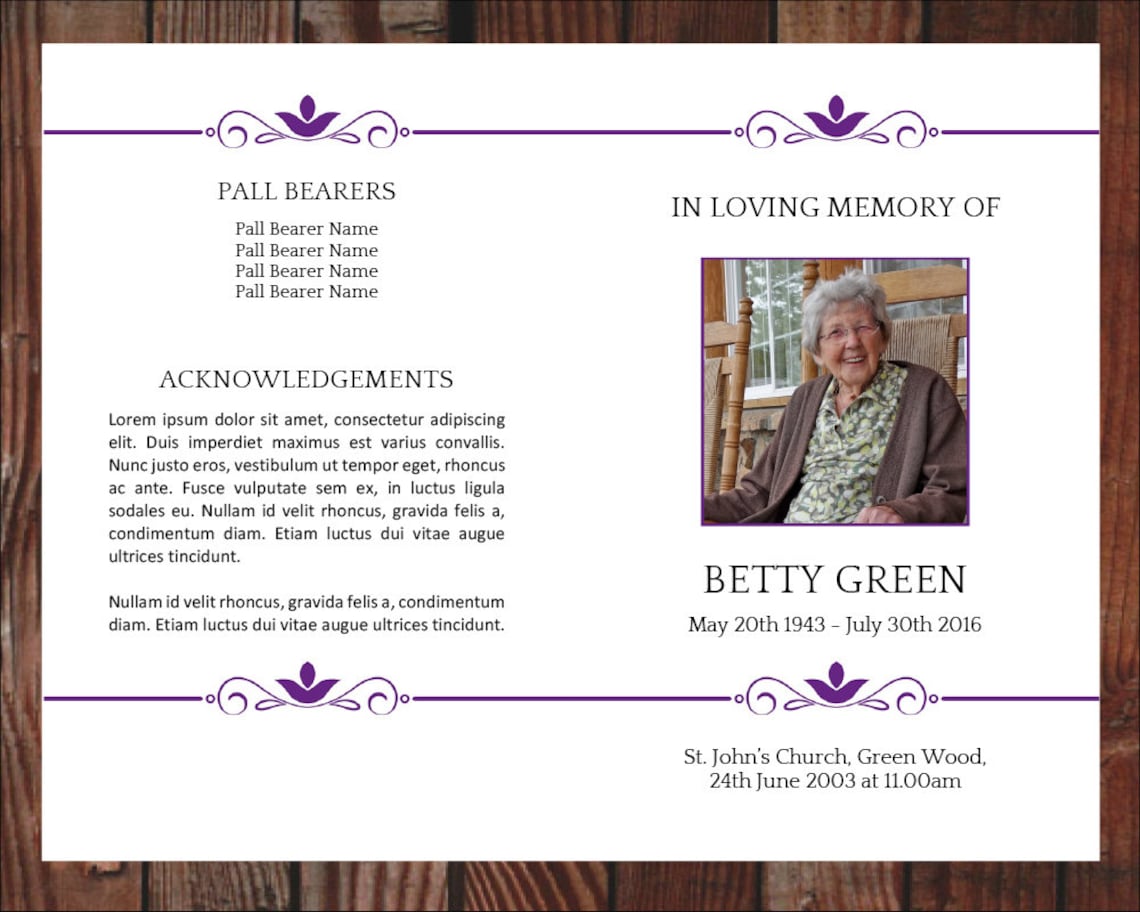
Local obituaries in Wooster, Ohio, serve as more than simple notices of passing. They form an ongoing record of Wayne County history, chronicling generations of families, agricultural milestones, industrial changes, and community institutions. Whether you're researching genealogy or remembering a neighbor, understanding where to find these records and how to read them adds immense depth to local heritage.
Wooster's historical death notices and memorials span nearly a century and a half of continuous local reporting. By examining how these life stories are preserved, researchers and residents alike can better trace the unique social fabric of this northeastern Ohio city.
The Historical Role of Wooster Obituaries
For generations, local newspapers functioned as the primary community bulletin board. Long before social media platforms existed, announcements of births, marriages, and deaths were the core social currency of Wooster.
Local papers like the Daily Record documented the daily rhythms of Wayne County. When prominent farmers, factory workers, educators, and business owners passed away, their published notices captured specific details that official state death certificates often omitted. These accounts frequently detailed:
- Membership in local organizations like the Fraternal Order of Eagles or the local Grange.
- Employment history at major regional employers such as the Wooster Brush Company or Rubbermaid.
- Contributions to educational pillars like The College of Wooster or the Ohio Agricultural Research and Development Center (OARDC).
- Survivor networks that map out extended family migrations across Ohio and neighboring states.
Where to Find Wooster Ohio Obituaries
Accessing historical and contemporary death notices requires knowing which digital repositories and physical archives hold the records. Depending on the timeframe you're researching, several distinct resources provide reliable access.
Contemporary and Recent Records
For notices published from the late 1990s onward, digital aggregation platforms make searching straightforward. Most families coordinate notices through local mortuaries such as McIntire, Bradham & Sleek Funeral Home or Roberts Funeral Home.
- Digital Archives: Platforms like Legacy.com host extensive databases indexing recent notices from Wooster-area funeral homes and newspapers.
- Dedicated Search Engines: Specialized archiving services like ObitsArchive.com maintain searchable repositories stretching back several decades for the local press.
Archival and Genealogical Research
When tracking ancestors from the early 20th or 19th centuries, modern search engines won't suffice. Researchers must dive into historical newspaper databases.
- Genealogy Databases: Platforms like GenealogyBank provide scanned pages and text-searchable indexes for historical Wooster publications, uncovering records dating back nearly 150 years.
- Local Public Libraries: The Wayne County Public Library houses extensive microfilm collections of historical newspapers, local church records, and county cemetery indexes. Local librarians can assist with targeted queries that automated text recognition misses.
Reading Between the Lines in Historical Notices
Genealogists often hit brick walls because historical writing styles differ sharply from modern formats. Past generations wrote notices with different conventions, and understanding these shifts helps unlock tougher research puzzles.
Older notices were often brief, sometimes consisting of just a few sentences noting a sudden illness or accident. In contrast, mid-century notices grew more structured, outlining survivors, pallbearers, and specific church affiliations.
If you can't find a female ancestor under her given name, search using her husband's name (e.g., "Mrs. John Doe"). Reviewers should also watch for common spelling variations of surnames, as typesetting errors were frequent in early print shops.
Frequently Asked Questions
How far back do online Wooster obituary archives go?
Digital databases for local papers like the Daily Record primarily cover material from 1998 onward, but specialized historical newspaper archives extend coverage back into the late 19th century.
Are local library archives free to access?
Yes, visiting the Wayne County Public Library allows local researchers to use microfilm and specialized genealogy databases free of charge. Some subscription databases can also be accessed remotely with a valid library card.
What details should I look for when building a family tree?
Pay close attention to maiden names, former town names, church memberships, and surviving relatives' locations. These clues frequently point toward naturalization papers, birth certificates, and migration paths.
Why might an older notice lack complete biographical information?
Before the mid-20th century, publishing a detailed life summary was expensive and reserved mostly for prominent citizens. Poorer residents or transient workers often received brief line notices detailing only date of death and funeral arrangements.



