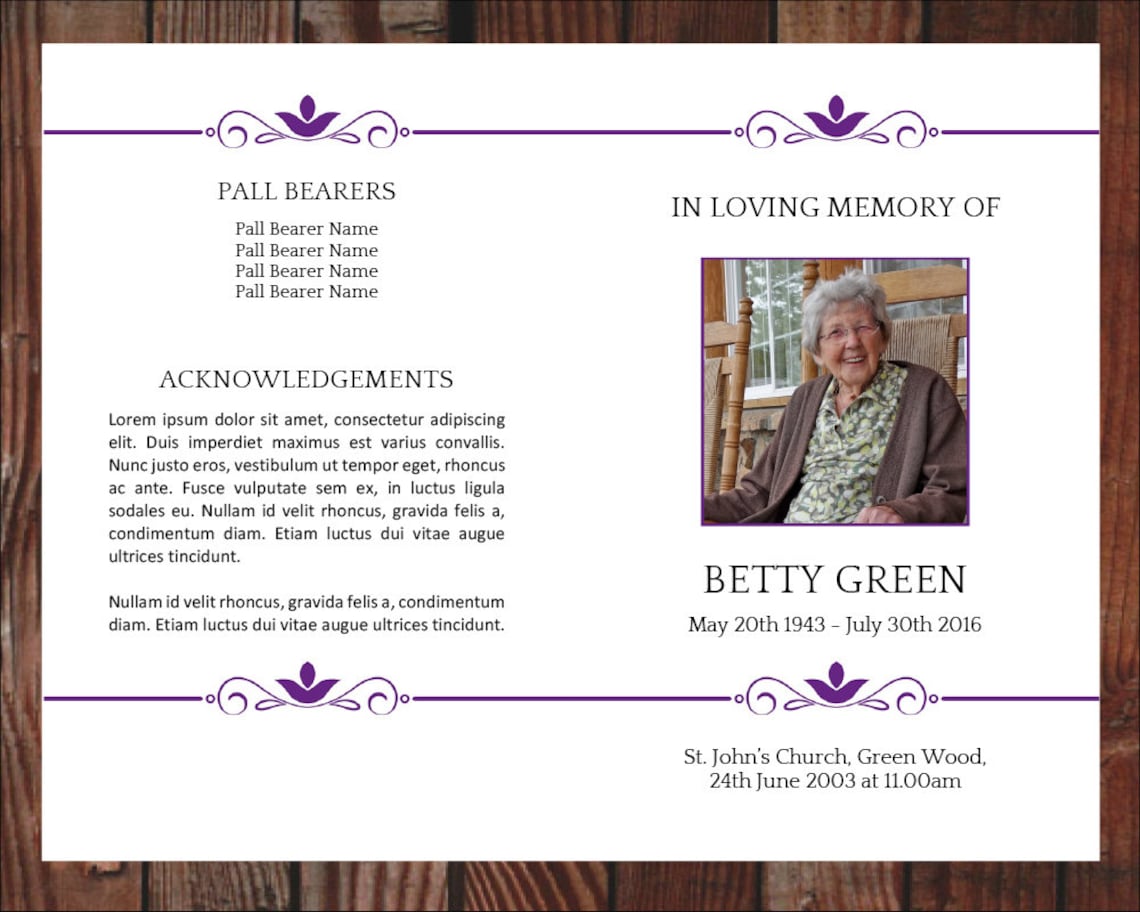
Finding historical records and local notices can often feel like searching through a maze, especially when you're trying to trace family roots or understand the heritage of a specific community. Schenectady, known historically as the Gateway City, holds centuries of stories, archives, and local documentation that tell the tale of its residents. Navigating these local resources requires a clear understanding of where records are kept and how to access them efficiently.
If you're researching family history or local biographies in Schenectady, knowing the right repositories makes all the difference. Local archives, historical societies, and municipal offices hold the keys to past notices and vital statistics. Let's look at how you can effectively locate these records, avoid common research pitfalls, and piece together the history of individuals who shaped this region along the Mohawk River.
Understanding the Gateway City Context
Schenectady earned its nickname as the Gateway City because of its strategic geographic location along the Mohawk River, which served as a natural transportation route for westward expansion. Founded by Dutch colonists in the seventeenth century, the city grew from a small trading post into a major industrial powerhouse, famously home to companies like General Electric and the American Locomotive Company.
This industrial growth brought waves of immigrants from Europe and migrants from other regions, creating a diverse demographic fabric. When researching notices and life histories here, you're not just looking at single names on a page; you're examining a cross-section of American industrial history. Understanding this background helps you contextualize why a family might have moved to the area, worked in specific manufacturing sectors, or settled in particular neighborhoods like Stockade or Mont Pleasant.
Where to Find Historical Schenectady Notices
Locating historical notices and biographical entries requires checking multiple official and community archives. Because older records span different eras of print and digital record-keeping, a single website rarely yields a complete picture.
Local Libraries and Historical Societies
The Schenectady County Public Library houses extensive local history collections, including microfilm rolls of historical newspapers such as the Schenectady Gazette. Local librarians can guide you through regional newspaper archives that date back well over a century. Additionally, the Schenectady County Historical Society maintains physical and digital collections that offer deeper biographical context beyond standard death notices.
Municipal and Vital Records
For official death certificates and vital statistics, researchers typically turn to the New York State Department of Health for state-level archives, or the Schenectady City Clerk for local filings. Keep in mind that New York State has specific privacy laws governing who can access vital records and how many years must pass before records become public.
Online Genealogy Platforms
Major digital repositories like Library of Congress Chronicling America provide free access to digitized historical newspapers from across the country, including regional New York publications. Commercial databases like Ancestry or Newspapers.com also index significant volumes of Schenectady-specific death notices, though they typically require a subscription.
Common Research Pitfalls to Avoid
Genealogists and local historians often run into predictable roadblocks when searching for older records in industrial cities like Schenectady. Being aware of these issues saves time and frustration.
- Name Spelling Variations: Surnames were frequently misspelled by census takers, reporters, and typesetters, especially for immigrant families adapting names to English phonetics. Always try wildcard searches or phonetic variations.
- Assuming Digital Completeness: Not every local newspaper from the nineteenth and early twentieth centuries has been digitized. If you hit a digital dead end, physical microfilm or contacting a local historical society is necessary.
- Confusing Common Names: In bustling manufacturing towns, multiple people often shared identical names. Always verify dates, addresses, and family member names before drawing conclusions.
Frequently Asked Questions
How far back do local newspaper archives go in Schenectady?
Local newspaper coverage dates back to the early nineteenth century, with varying degrees of survival and digital availability. The Schenectady County Public Library maintains microfilm collections spanning most of the city's modern newspaper history.
Can I access official death certificates online for free?
Official vital records managed by the state or municipality usually require formal requests and fees, adhering to strict state privacy laws. However, transcribed notices and newspaper clippings are often accessible through library databases and historical society portals.
What should I do if a notice contains incorrect information?
Historical notices and newspaper reports were frequently compiled under tight deadlines and occasionally contained typos regarding birth dates, spellings, or survivor names. Cross-reference multiple sources—such as census data, church registries, and headstone inscriptions—to verify accuracy.
Why are older notices sometimes difficult to locate in regional databases?
Many historical newspapers used abbreviated formats, classified entries under unexpected headings, or suffered physical degradation over time before preservation efforts began. Expanding your search terms to include maiden names, neighborhood names, or associated businesses can help uncover missed records.



