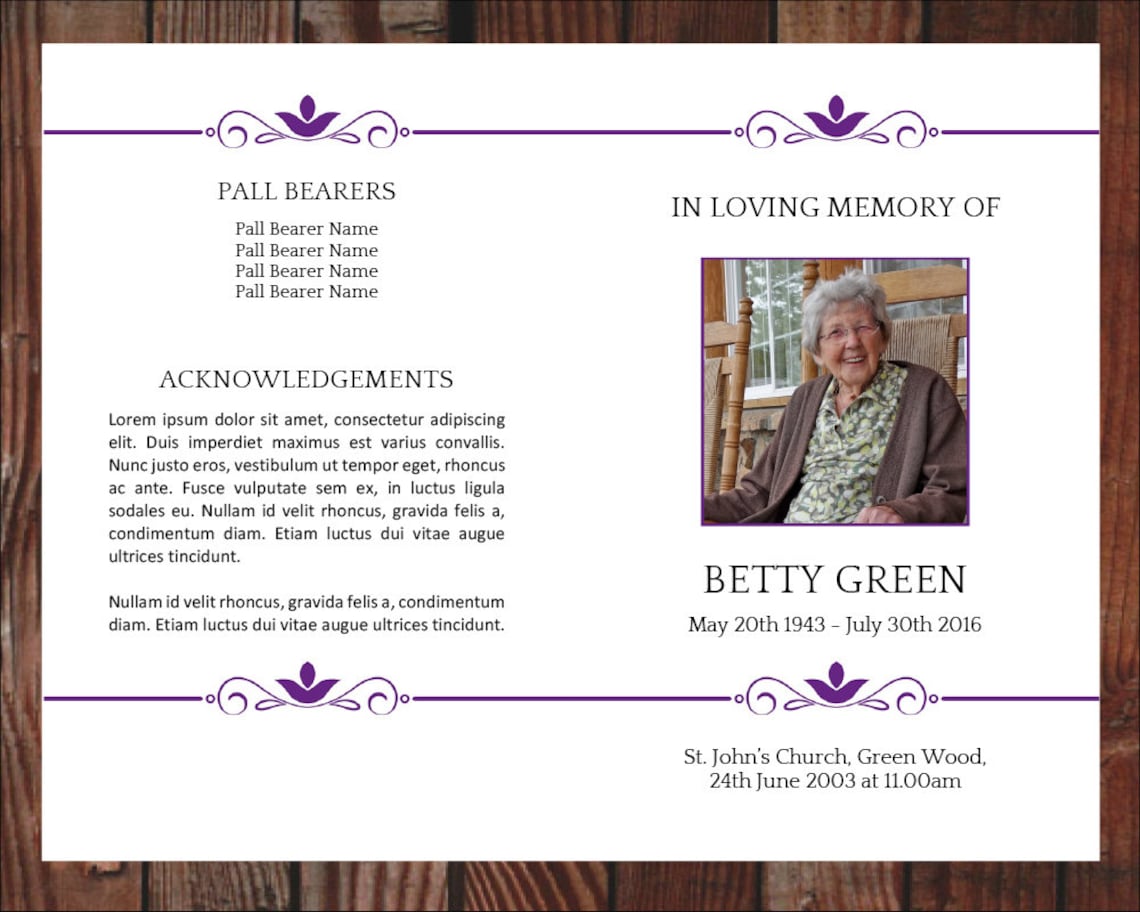
When a community member passes away, their final notice does more than mark an ending. Obituaries in Cedar Rapids Iowa capture the individual milestones, quiet sacrifices, and industrial shifts that built the City of Five Seasons. These records form an evolving archive of local history, mapping out how neighborhoods, family businesses, and civic institutions grew across generations along the Cedar River.
For researchers, historians, and grieving families alike, looking through local death notices offers a grounded look at Midwestern life. Instead of dry historical timelines, these notices provide human context. They show who worked on the shop floors of local manufacturing plants, who taught in public school classrooms, and who volunteered at neighborhood centers during economic downturns and seasonal floods.
Understanding the Role of Local Death Notices
Local death notices serve a practical purpose by informing friends and neighbors about memorial arrangements, but they also function as primary historical documents. In Linn County, these texts preserve genealogical lineages and community footprints that official census data often misses.
When you read through archives from local publications like The Gazette, distinct patterns emerge. You see waves of migration, economic transitions from agriculture and meatpacking to high-tech manufacturing and healthcare, and the endurance of tight-knit neighborhoods like Czech Village and NewBo.
Genealogy and Family Research
Tracing a family tree in eastern Iowa often relies heavily on archived death records. These entries provide essential breadcrumbs for genealogists.
- Direct Relationships: Surviving family members listed by name help map out multi-generational households.
- Geographic Shifts: Mention of birthplaces and previous residences traces migration paths into and out of the Midwest.
- Occupational History: Mention of local employers—such as Quaker Oats, Collins Radio, or local school districts—reveals working-class contributions.
- Organizational Ties: Memberships in churches, unions, veterans' groups, and fraternal lodges highlight social engagement.
How Industrial Growth Shaped Local Lives
Cedar Rapids grew rapidly around its manufacturing and processing backbone. The stories told in local death notices reflect this heavy industrial identity. Generations of residents spent decades working in heavy manufacturing, grain processing, and defense electronics.
When a retired machinist or assembly line worker passes away, their notice often notes a thirty- or forty-year tenure at a single plant. These long careers built the financial stability of local families and shaped the economic resilience of the entire metropolitan area. You don't just read about a person's retirement; you read about the physical labor and dedication required to sustain regional commerce through decades of economic shifts.
The Impact of Neighborhood Institutions
Local institutions anchor families to specific parts of the city. Notices frequently reference community cornerstones, including long-standing parishes, neighborhood sports leagues, and local charities.
- Parishes and Congregations: Membership in historic churches like Immaculate Conception or local Lutheran and Methodist congregations often spans entire lifetimes.
- Civic Engagement: Involvement in Rotary clubs, neighborhood associations, and seasonal festival committees highlights active civic participation.
- Educational Roots: Attendance at local institutions like Coe College, Mount Mercy University, or area public high schools anchors personal histories firmly within the city limits.
Navigating Archives and Public Records
Finding historical records in the area requires knowing where to look. While contemporary notices appear instantly online through aggregators like Legacy.com, older records demand a bit more digging through public libraries and historical societies.
The Cedar Rapids Public Library maintains extensive microfilm collections of local newspapers, allowing researchers to view historical notices dating back to the nineteenth century. Combining these archives with data from the State Historical Society of Iowa helps fill gaps left by missing family Bibles or incomplete courthouse records.
Steps for Effective Local Research
If you're hunting for historical notices in the area, follow a structured approach to save time and unearth accurate details.
- Identify a Timeframe: Narrow down the year of death using census data, voter rolls, or city directories.
- Check Primary Newspaper Archives: Search digital or microfilm editions of regional papers covering Linn County.
- Cross-Reference Cemetery Records: Look up burial locations through local cemetery databases to confirm dates and plot locations.
- Contact Local Funeral Homes: Historic establishments often retain internal service records that pre-date modern digital databases.
Common Mistakes in Local Genealogy Research
Many amateur researchers run into roadblocks when exploring regional records. Avoiding these common errors ensures accurate family trees and historical accounts.
- Assuming Unique Names: Cedar Rapids has plenty of common family surnames. Always verify middle names, spouses, and addresses to avoid mixing up distinct individuals.
- Ignoring Maiden Names: Women are frequently listed solely by their married names in older notices, obscuring maternal lineages unless cross-referenced.
- Trusting Transcriptions Blindly: Automated text recognition on old newspaper scans often misreads names and dates. Always inspect the original image scan.
Frequently Asked Questions
Where can I find current notices for Cedar Rapids residents?
Current notices are published daily through regional news outlets like The Gazette and aggregated nationally on platforms dedicated to local memorials.
How far back do local newspaper archives go?
Digitized and microfilm archives for the area stretch back well into the 1800s, covering the foundational era of the city's incorporation and early settlement.
Can I submit a historical notice for an ancestor who passed away decades ago?
While newspapers typically publish notices immediately following a passing, historical societies and genealogy groups welcome biographical write-ups and family histories to enrich public archives.
What details are most important when saving a family notice for genealogy?
Always record the full name, maiden name if applicable, exact dates of birth and death, names of parents and surviving relatives, and the specific location of interment.



