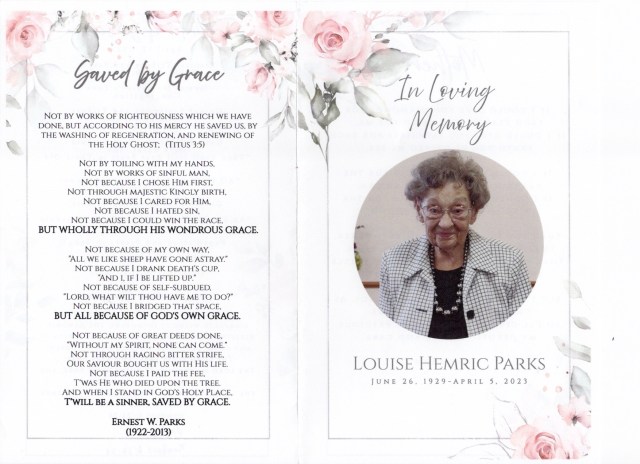
Digital archives have completely transformed how communities process grief, preserve local history, and honor those who passed away. Moving away from ink on paper, modern platforms like obituaries courier express collections anchor personal legacies into searchable digital databases. This shift changes memorialization from a fleeting morning read into an enduring, interactive experience.
Navigating this transition requires understanding how modern death notices function, where historical data goes, and how families can craft meaningful digital tributes that stand the test of time.
The Evolution From Print to Digital Archives
Historically, local newspapers served as the sole gatekeepers of community milestones. A death notice was printed, read over morning coffee, and eventually recycled. Today, platforms aggregate these notices into vast, permanent repositories.
This evolution brings distinct structural shifts to public record-keeping:
- Instant Global Reach: Families can share notices across continents instantly via social channels or email links, ensuring distant relatives stay informed without waiting for postal delivery.
- Granular Searchability: Genealogists and researchers can locate specific names, dates, or keywords in seconds instead of combing through physical microfilm archives.
- Perpetual Storage: Digital profiles act as virtual memorial spaces where friends can revisit stories, leave digital condolences, and view photo galleries years after the funeral.
Anatomy of a Modern Digital Notice
While traditional constraints forced families to keep word counts strictly limited due to high print costs, online portals allow for richer, multi-layered storytelling. A comprehensive digital tribute typically balances essential facts with personal narrative elements.
Core Informational Elements
Every valid notice requires precise identification to ensure legal clarity and prevent confusion among acquaintances. These basics include the full legal name (including maiden names), exact dates of birth and passing, and primary city of residence.
Narrative and Legacy Extensions
Beyond logistics, online formats permit families to highlight what made an individual unique. Modern notices frequently incorporate career milestones, volunteer service with local charities, military history, and personal anecdotes provided by close friends. Multimedia attachments like photo collages or recorded memorial service streams transform standard text into a vivid portrait of a life lived.
Practical Challenges in the Digital Remembrance Ecosystem
Despite the clear benefits of online accessibility, the shift toward centralized digital publishing introduces several complex hurdles for families and historians.
Managing Costs and Syndication Fees
Many regional newspapers partner with third-party digital networks to handle death notices. While this expands distribution, it often introduces confusing fee structures, tiered pricing for photos, and hidden charges for word counts. Families should always ask funeral directors for transparent breakdowns of publishing fees across both print and online channels.
Permanence Versus Privacy
Physical newspapers stayed local, but digital entries rank on search engine results pages indefinitely. Some families experience distress when old notices resurface years later during casual web searches. Conversely, corporate consolidation of publishing platforms can sometimes lead to broken links or paywalled archives, threatening long-term historical records.
How to Write a Lasting Digital Tribute
When you're tasked with writing or updating an online notice, following specific drafting practices ensures the tribute remains respectful, clear, and engaging for future readers.
- Prioritize Clarity Up Front: Place vital statistics—full name, age, and service details—near the top so readers find essential information immediately.
- Focus on Character Over Clichés: Instead of relying on generic stock phrases, share specific hobbies, characteristic sayings, or professional achievements that paint a true picture of the person.
- Optimize for Future Searchability: Ensure full names and locations are spelled correctly and written out plainly so distant descendants can trace family lineages accurately.
- Coordinate Directly with Funeral Directors: Verify whether the local platform offers permanent hosting or if the notice will expire after a set promotional period. For official guidelines on registering vital statistics, consult resources like USA.gov or local government portals.
Frequently Asked Questions
How long do digital obituaries stay online?
Hosting duration depends entirely on the publishing platform. Some newspaper archives keep records indefinitely, while third-party funeral home aggregators may remove or archive pages after a specific subscription period ends.
Can I update a digital obituary after it has been published?
Yes, most online platforms allow minor corrections or additions, such as updated service times or extra photos. Contact the managing funeral home or the publication's support desk directly to request edits.
Why do some online notices require a subscription to view?
Many regional publishers place their archives behind digital paywalls to support ongoing journalism and digital maintenance costs, which can occasionally restrict free public access to older local records.
How can I ensure a notice remains accurate for genealogical research?
Double-check all vital dates, spellings of maiden names, and locations before submission. Including parents' names and birthplace details significantly helps future family historians build accurate trees.



