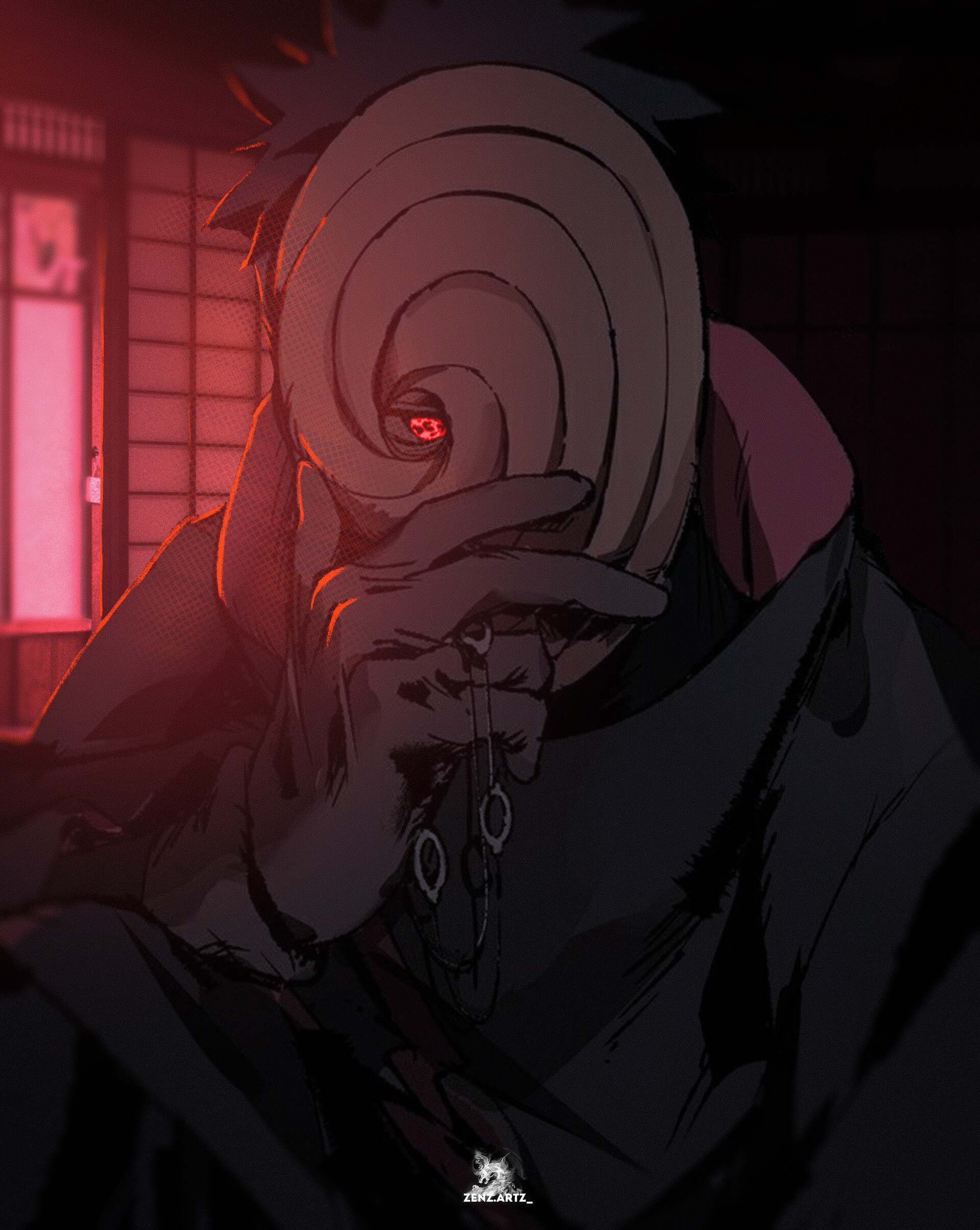
When internet discussions turn toward fictional deities, anime lore, and mysterious entities, few names provoke as much wild speculation as Obito Uchiha. The bizarre phrase circulating online—referencing an obito aviso about a divine content drop rather than a standard character exit—has left fans scratching their heads. If you've stumbled across strange theories claiming that a beloved character's departure was actually a divine transmission from an unknown cosmic entity, it's time to separate fandom myth from actual narrative design.
In the original storytelling of Masashi Kishimoto's Naruto series, Obito's trajectory is rooted in shinobi politics, trauma, and the complex mechanics of the Tailed Beasts, rather than otherworldly deities dropping content from the heavens. Understanding how these surreal internet rumors start requires looking at translation anomalies, automated content generation, and the playful nature of modern anime fandoms that love to spin intricate conspiracy theories out of thin air.
Deconstructing the Myth: Where Did the "Divine Content" Theory Start?
The phrase obito aviso de que vnlio uma conteudo de deuses reads like a bizarre hybrid of Portuguese phrasing, machine-translation glitches, and internet slang. In digital content spaces, low-quality scraper sites and automated publishing tools frequently mash together random keywords from unrelated fandoms to capture search engine traffic.
When you encounter articles filled with broken syntax and bizarre claims about divine creatures or mysterious entities masquerading as fictional ninja, you're looking at programmatic SEO spam rather than genuine literary analysis.
- Automated scrapers combine trending anime names with randomized phrases.
- Machine translation errors turn simple plot warnings into cryptic prophecies.
- Fandom subcultures amplify these weird snippets as ironic memes.
Instead of accepting these garbled posts at face value, it helps to examine what actually happens in the source material when major characters make their dramatic exits.
Obito's Real Narrative Arc: Shinobi Tragedy vs. Cosmic Myth
In the actual narrative, Obito's journey isn't governed by divine intervention or mysterious alien gods in the traditional sense, though the series does introduce Otsutsuki celestial beings later on. Obito begins as an underdog member of Team Minato, suffers what appears to be a fatal crushing injury during the Third Shinobi World War, and is rescued by Madara Uchiha.
His transformation into Tobi and eventual role as the mastermind behind the Fourth Great Ninja War stems from psychological devastation after losing Rin Nohara, not from an unearthly transmission or divine awakening.
- The Fall at Kannabi Bridge: The defining moment where Obito is presumed dead under a boulder.
- Madara's Manipulation: The psychological grooming that turns a hopeful young ninja into a cynical realist.
- The Mask of Tobi: Adopting a false identity to execute the Eye of the Moon Plan.
- Redemption and Sacrifice: Reclaiming his true self to aid Naruto and Kakashi against Kaguya.
By grounding his story in human grief and political manipulation, the narrative achieves its emotional weight. Reducing this complex character arc to a cryptic message from a divine entity completely misses the thematic point of the story.
Why Fandoms Invent Cryptic Lore
Internet communities thrive on hyper-analysis. When a series spans hundreds of episodes and chapters, fans naturally begin to look for hidden patterns, secret meanings, and alternative interpretations. This phenomenon often leads to exaggerated theories that snowball across forums and social media platforms.
When automated translation tools cross-pollinate discussions from Japanese forums into Portuguese, Spanish, and English, words shift meaning entirely. A routine character warning or obituary-style retrospective can easily mutate into a sensationalized headline about divine creatures and mysterious entities.
- Translation Drift: Nuanced Japanese dialogue loses its context through multiple automated translation layers.
- Meme Culture: Fans often lean into absurd interpretations ironically, which search engines then pick up as legitimate trends.
- Clickbait Incentives: Content farms exploit these viral fragments to generate ad revenue with zero editorial oversight.
Recognizing these mechanics helps you filter out the noise and focus on genuine media criticism and deep-dive lore analysis.
Frequently Asked Questions
Is Obito actually connected to a divine entity in the original story?
No. While Obito eventually interacts with powerful chakra manifestations and helps seal Kaguya Otsutsuki (who is a celestial being), his personal motivation, identity, and narrative arc are entirely human, driven by trauma, grief, and the harsh realities of the shinobi world.
Why do some online articles have such strange, broken titles?
Many low-quality websites use automated content spinners and raw machine translations to churn out thousands of pages targeting obscure search terms. This results in nonsensical keyword combinations that look like random gibberish.
Did Obito actually die during his childhood?
In the context of the story's universe, he was presumed dead by his teammates after the boulder cave-in. However, he survived thanks to Madara Uchiha and White Zetsu prosthetics, operating in secret for years before revealing himself.
How can I spot low-quality SEO spam articles?
Look for disjointed sentences, lack of clear author credentials, repetitive paragraphs that don't make logical sense, and headlines that cram unrelated pop culture terms together. Real analytical articles maintain a coherent structure and address the topic directly.



