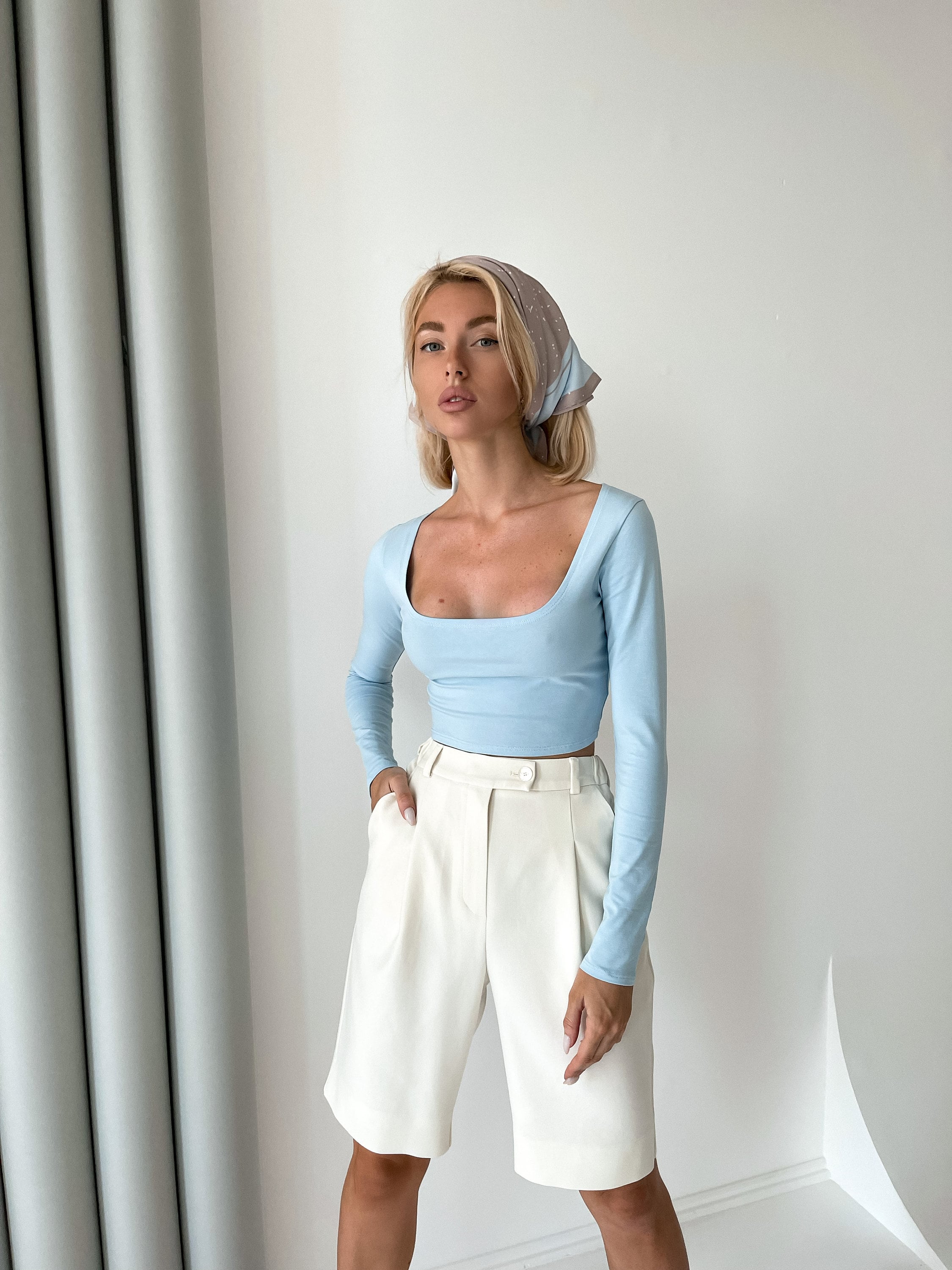
The fitness apparel industry has shifted away from purely functional gear toward daily fashion staples. The search query Obest SCWomen 002639SC points to this exact crossover, where high-performance textiles meet elevated streetwear aesthetics. Consumers don't want to change outfits between the gym and daily errands; they expect versatile clothing that bridges movement and modern style seamlessly.
Choosing the right hybrid activewear requires looking past aesthetic trends to evaluate fabric composition, breathability, and structural durability. This article breaks down the technical evolution behind style-forward sportswear, how to evaluate quality fabrics, common styling pitfalls, and what to look for when building a functional athletic wardrobe.
The Evolution of Hybrid Sportswear
Athletic apparel used to be strictly divided into locker-room necessities and casual streetwear. Synthetic jerseys and heavy cotton sweatpants rarely mixed outside of a running track or a living room. That barrier collapsed as fabric technology advanced, allowing mills to produce four-way stretch materials that mimic the tactile softness of luxury knits while maintaining moisture-wicking properties.
Activewear items like the ones referenced by Obest SCWomen 002639SC represent a broader cultural shift toward comfort-driven utility. When brands engineer garments that handle high-intensity interval training while maintaining clean architectural lines, consumers respond by wearing them to work meetings, coffee dates, and travel transits. Similar coverage on this trend has been provided by BBC.
Performance Meets Everyday Aesthetics
Modern sportswear design relies heavily on minimalist palettes, matte finishes, and tailored silhouettes. Glossy, neon spandex has given way to earthy neutral tones, ribbed textures, and laser-cut hems. This shift allows pieces to pair effortlessly with trench coats, blazers, or denim jackets without screaming gym-bound intentions.
Textile engineering has also prioritized tactile comfort. Traditional synthetic blends often trapped heat and caused skin irritation during prolonged daily wear. Newer iterations incorporate micro-perforations, organic cotton blends, and recycled polyester fibers that regulate temperature across varied environments. You'll find that garments engineered this way maintain their shape through multiple wash cycles without sagging or pilling.
Key Factors in Evaluating Stylish Sportswear
Buying high-end activewear requires looking closely at specifications rather than trusting marketing labels. A sleek exterior means little if the fabric loses elasticity after two workouts.
Fabric Composition and Technical Weaves
Look closely at the label tag or product specifications. High-performance lifestyle wear typically blends nylon and elastane for durability and stretch, or polyester and spandex for moisture management.
- Nylon-Spandex Blends: These offer superior durability, a buttery-soft hand-feel, and excellent resistance to abrasion. Ideal for daily movement and structured leggings.
- Polyester-Spandex Blends: These excel at moisture-wicking and quick drying. Best for high-sweat sessions and outdoor running.
- Natural Fiber Infusions: Tencel, modal, or organic cotton blends provide breathability for low-impact activities like yoga, Pilates, or casual lounging.
Construction and Seam Integrity
Chafing and premature tearing often stem from poor construction methods. Flatlock seams sit flush against the skin, reducing friction during movement. Check whether garments use multi-needle stitching along high-stress areas like gussets and waistband attachments. A reinforced waistband with an internal drawstring prevents rolling and slipping during active use.
Common Mistakes When Styling Athletic Apparel
Merging athletic pieces into a daily wardrobe can sometimes look sloppy if certain boundaries aren't respected. Avoiding these errors keeps your look intentional and sharp.
Mixing too many athletic elements at once often makes it look like you're heading to a heavy lifting session rather than stepping out for brunch. Balance structured sportswear with tailored elements. Pair a sleek athletic crop top with an oversized structured blazer and straight-leg trousers, or match performance joggers with a tailored wool coat.
Another frequent misstep is ignoring fabric sheen. Highly reflective, shiny synthetic fabrics look out of place in professional or formal casual settings. Stick to matte finishes, ribbed textures, and muted colorways for a sophisticated, grounded aesthetic.
How to Build a Versatile Activewear Capsule
Creating a functional wardrobe rotation means focusing on modular pieces that mix and match easily.
- Select a Neutral Foundation: Build your base with black, navy, charcoal, or olive bottoms. These anchor your outfits and pair with almost any top layer.
- Prioritize Multi-Tasking Layers: Invest in cropped zip-jackets, lightweight windbreakers, and fitted bodysuits that function as standalone tops or layering pieces.
- Inspect the Opacity: For leggings and fitted bottoms, always test the fabric stretch in natural light to ensure complete coverage during deep bends or squats.
- Care for Your Technical Fabrics: Wash performance gear on cold settings with mild detergents. Skip fabric softeners entirely, as they coat synthetic fibers and ruin moisture-wicking properties.
For more insights on sustainable apparel manufacturing, you can review guidelines from the Sustainable Apparel Coalition. To understand textile standards further, explore resources provided by ASTM International.
Frequently Asked Questions
Can I wear high-performance sportswear to a casual workplace?
Yes, provided you style it intentionally. Pair matte-finish athletic leggings or trousers with an unstructured blazer, loafers, and minimal jewelry. Avoid loud logos or neon colors in professional environments.
Why do some activewear pieces pill quickly?
Pilling usually happens when low-grade synthetic fibers rub against each other or rough surfaces. Washing garments inside out on a delicate cycle and air-drying them significantly extends their lifespan.
What is the difference between gym wear and lifestyle sportswear?
Gym wear is built exclusively for sweat, featuring high compression, rapid-dry treatments, and maximum breathability. Lifestyle sportswear balances those performance metrics with softer textures, refined tailoring, and versatile aesthetics suitable for everyday public wear.
How do I prevent odor retention in synthetic athletic clothes?
Synthetics like polyester tend to trap bacteria. Wash workout clothes immediately after use, avoid leaving damp items in gym bags, and occasionally use athletic-specific laundry detergents or white vinegar rinses to neutralize trapped oils.