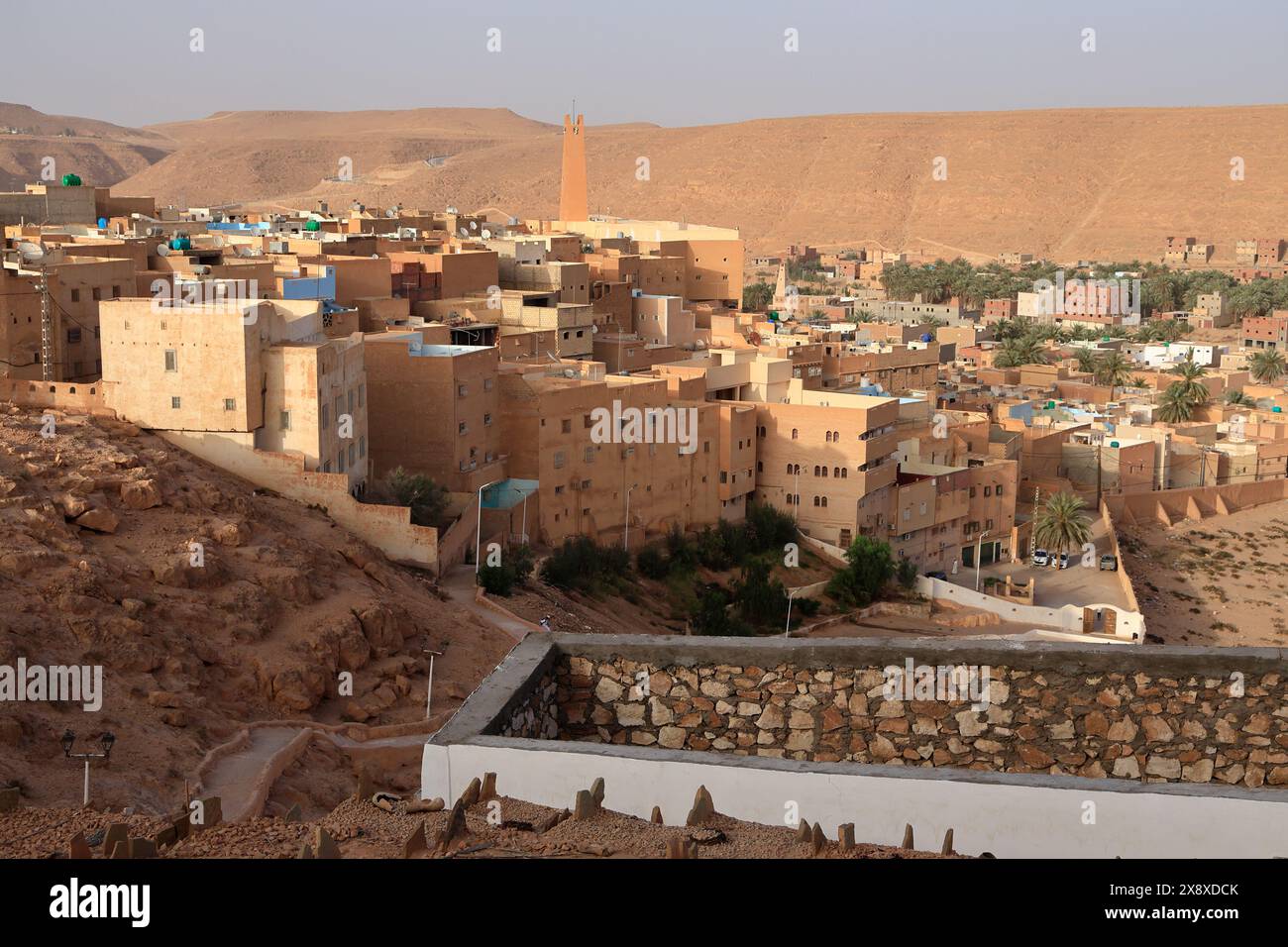
An oasis is a fertile patch in an arid desert sustained by groundwater, springs, or ancient aquifers that reach the surface. These rare hydrological pockets defy harsh climatic conditions, turning barren dunes into functioning ecosystems that support specialized flora, fauna, and human settlements. Without them, historical trans-continental trade across the Sahara or Arabian deserts would have been impossible.
Far from being mere pools of water, oases function as complex ecological refuges. They rely on specific geological structures where tectonic faults, sloping mountain runoff, or pressurized artesian basins force trapped water to the surface. Understanding how these systems form and persist reveals the exact mechanisms that allowed early civilizations to thrive in extreme environments.
How Oases Form: The Hydrogeology of Desert Water
Water doesn't randomly pool in the middle of a desert. An oasis exists because underground hydrology intersects with surface topography. Rain falling hundreds of miles away on distant mountain ranges infiltrates porous rock layers, creating subterranean aquifers that flow downward under gravity or hydrostatic pressure.
When these underground water paths hit a geological trap—such as an impermeable clay layer, a fault line, or a steep drop in elevation—the water is forced upward. This creates natural springs. In other cases, wind erosion strips away surface sand down to the shallow water table, exposing moisture directly to the atmosphere and allowing roots to reach it.
Ancient engineers learned to exploit these natural dynamics by building qanats, which are underground sloping tunnels that tap into alluvial fans at the base of mountains. By using gravity to transport water without pumps, civilizations could establish stable settlements miles away from the actual mountain runoff source.
The Multi-Tiered Ecology of an Oasis
An oasis ecosystem is built on strict vertical stratification. Because water is present, plant life grows in distinct layers that maximize shade and moisture retention, creating a localized microclimate that can be significantly cooler and more humid than the surrounding desert dunes.
- Canopy Layer: Tall date palms (Phoenix dactylifera) form the topmost layer. Their dense fronds block harsh solar radiation, reducing evaporation rates for crops growing underneath.
- Understory Layer: Fruit trees like pomegranates, figs, and olives occupy the middle tier, benefiting from the filtered sunlight and moderate humidity.
- Ground Layer: Cereal grains, vegetables, and fodder crops grow at the base, protected from wind erosion and extreme heat by the upper layers.
This vertical setup supports specialized wildlife. Migratory birds crossing thousands of miles of arid wasteland rely on these green patches as vital stopover feeding grounds. Insects, amphibians like desert frogs, and small mammals make permanent homes here, while predatory species follow them down from the surrounding rocks.
The Role of Oases in Human Civilization and Trade
Throughout history, oases acted as anchor points for global commerce. The Silk Road and the Trans-Saharan trade routes didn't cross unbroken deserts; they hopped from one oasis to the next. Merchants traveling with camel caravans calculated every leg of their journey based on the reliability of specific water stations.
Control over an oasis meant control over regional trade monopolies. Settlements like Al-Ahsa in Saudi Arabia or Siwa in Egypt grew into powerful cultural and economic hubs because they could provision thousands of travelers at once. Agriculture inside these hubs wasn't just for local survival; surplus dates and grains were traded for textiles, metals, and spices brought by passing caravans.
Traditional oasis architecture reflects harsh survival math. Settlements were tightly clustered to maximize shade in narrow streets and minimize the surface area of soil exposed to evaporation. Irrigation channels were meticulously partitioned using communal water rights, ensuring that every farmer received an exact share based on the flow rate of the spring.
Modern Threats Facing Global Oases
Today, many historic oases face rapid ecological collapse due to human intervention and changing climate patterns. The delicate balance that kept them alive for millennia is breaking down under modern pressures.
- Deep Aquifer Depletion: Industrial agricultural pumps extract groundwater faster than seasonal rains can replenish deep aquifers. As water tables drop, natural artesian springs dry up completely.
- Soil Salinization: Over-irrigation combined with high surface evaporation leaves behind concentrated mineral salts. This process ruins arable soil, turning once-productive farmland into crusty salt flats.
- Rural Exodus: Younger generations are abandoning traditional farming villages for urban economic centers. Without constant labor to clear irrigation channels and maintain mud-brick infrastructure, ancient water networks degrade rapidly.
Restoring these environments requires a shift toward modern conservation techniques. Projects in North Africa and the Middle East now focus on drip irrigation, solar-powered water monitoring, and reviving drought-resistant heritage crops that demand less groundwater.
Frequently Asked Questions
What is the difference between an oasis and a swamp?
An oasis is an arid region made fertile by a localized freshwater source, typically featuring dry surrounding land and managed agriculture. A swamp is a permanently waterlogged wetland dominated by saturated soils and aquatic plants, usually found in humid or temperate climates rather than deserts.
How do date palms survive in an oasis?
Date palms possess deep root systems that can tap directly into shallow water tables. Their physiological structure allows them to tolerate high soil salinity and intense solar radiation while providing crucial shade for smaller understory crops.
Can humans create artificial oases?
Yes. Throughout history, people have engineered artificial oases by digging wells, constructing underground drainage tunnels, and implementing sophisticated drip-irrigation networks to bring deep groundwater to the surface in barren regions.



