Introduction
For over two centuries, a small wooded landmass off the southern shore of Nova Scotia has consumed the imaginations of fortune seekers, historians, and engineers. Known worldwide simply as Oak Island, this private 140-acre property holds the title of hosting the longest-running treasure hunt in North American history.
Unlike conventional historical sites, the appeal here centers around a persistent engineering puzzle rather than well-documented political events. People aren't drawn to the location for what is clearly known on the surface, but rather for what allegedly lies deep beneath it. From elaborate flood tunnels to centuries of collapsed shafts, the property presents a unique intersection of folklore, heavy machinery, and enduring human curiosity.
The Origins of the Legend
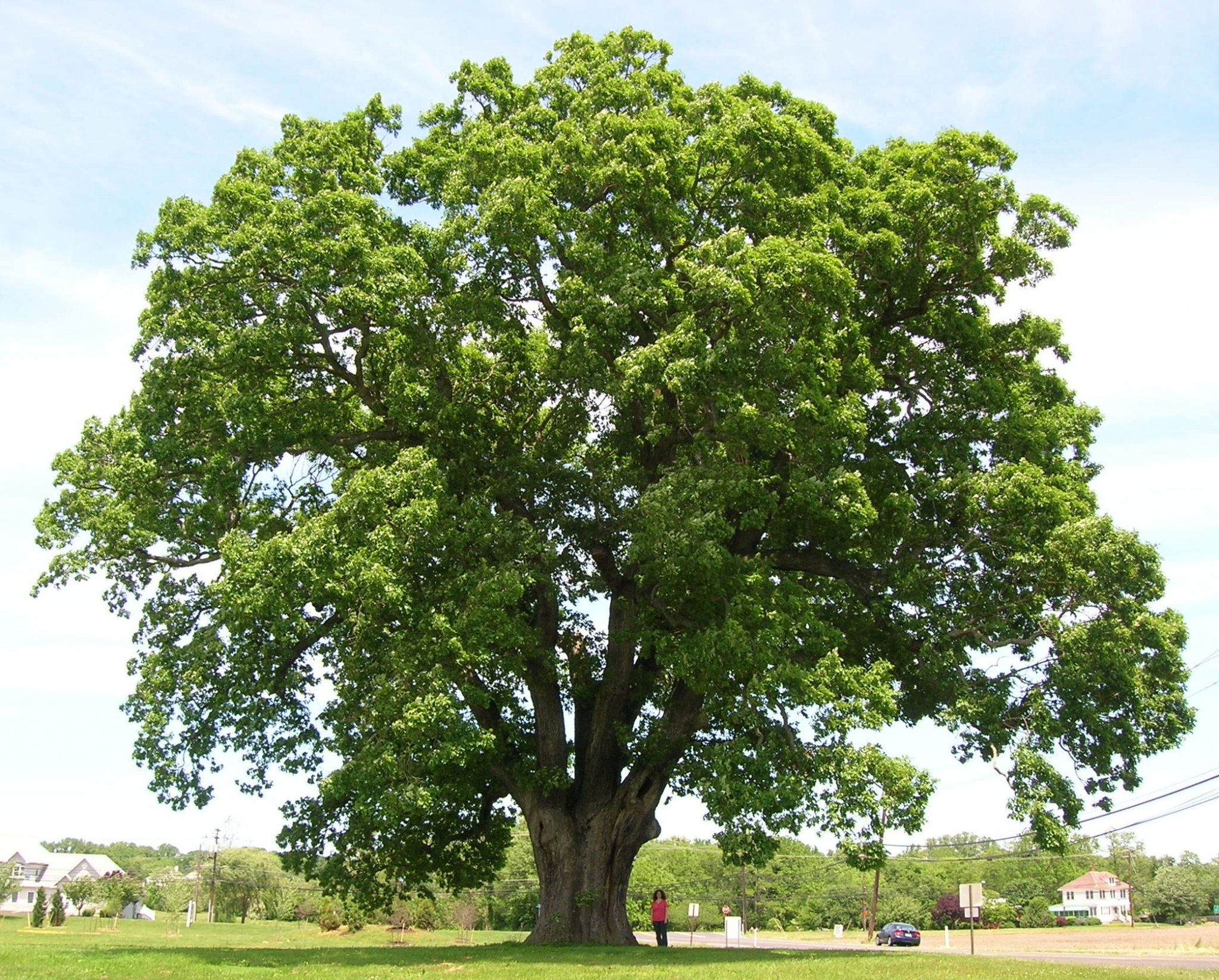
The documented narrative began in the summer of 1795 when a young local resident named Daniel McGinnis noticed a peculiar depression in the ground beneath an ancient oak tree. Attached to a heavy branch directly above the depression was a block and tackle hoist, suggesting that previous visitors had suspended weight over the spot.
Fascinated by the prospect of buried riches, McGinnis returned with friends John Smith and Anthony Vaughan to excavate the depression. As they dug, they encountered distinct layers of flagstones two feet down, followed by tightly packed layers of logs wedged into the shaft walls at ten-foot intervals. Realizing the scale of the undertaking far exceeded their physical labor limits, they abandoned the initial excavation, leaving behind a mystery that would spawn generations of commercial companies and independent syndicates.
Anatomy of the Money Pit
The central fixture of the lore is the Money Pit, the designation given to the primary excavation site discovered by the original teenagers. As subsequent groups dug deeper through the nineteenth and twentieth centuries, they documented increasingly complex structural barriers designed to protect whatever lay at the bottom.
- Log Platforms: Spaced at regular depth intervals, these oak platforms provided structural integrity to the vertical shaft.
- Charcoal and Putty Layers: Explorers reported encountering thick layers of charcoal, putty, and coconut fiber—materials completely foreign to Nova Scotia, hinting at deliberate waterproofing and preservation efforts.
- The Flood Tunnels: According to historical accounts from the mid-1800s, excavation teams breached a subterranean channel connected to Smith's Cove, which immediately flooded the main shaft with seawater to a depth of over thirty feet whenever the tide rose.
While modern geologists and skeptics argue that these features might represent natural sinkholes and mineral deposits common in Nova Scotia's karst topography, believers maintain that the intricate layering points to human engineering of extraordinary sophistication.
Theories Behind the Property
Countless theories attempt to explain who built the subterranean labyrinth and what they hid. Each hypothesis relies on historical gaps, circumstantial evidence, and imaginative leaps.
Pirate Booty
The earliest and most straightforward theory links the island to infamous maritime outlaws like Captain William Kidd or Edward Teach (Blackbeard). Proponents argue that pirates needed a secure, engineered vault to stash amassed plunder away from naval patrols. However, historians note that pirates typically spent their fortunes quickly rather than constructing complex subterranean vaults requiring years of cooperative labor.
The Spanish Galleon
Another prominent theory suggests that a Spanish warship or treasure galleon wrecked off the coast or sought safe harbor, using local labor to unload gold and silver bullion. This idea gained traction when searchers recovered fragments of old shipping materials and occasional non-local metal scraps, though definitive proof connecting them to a specific shipwreck remains elusive.
Francis Bacon and Cryptic Authors
More elaborate hypotheses attribute the works to historical figures such as Sir Francis Bacon, who some theorists believe buried original manuscripts proving he wrote the plays attributed to William Shakespeare. This school of thought relies heavily on esoteric symbols, cipher stones, and geometric alignments supposedly mapped across the island.
Modern Excavation and Scientific Reality
In recent decades, large-scale operations—most notably chronicled by the History Channel series on Oak Island—have brought heavy industrial equipment, seismic testing, and core-drilling technology to the property. Modern teams use high-powered caissons to punch wide steel shafts deep into the bedrock, screening every gallon of displaced earth for traces of precious metals, parchment, or human habitation.
Despite deploying modern archaeology, the results remain frustratingly ambiguous. While searchers have recovered centuries-old artifacts such as lead crosses, rusted hand tools, and ancient coins, no definitive treasure vault has been intercepted. Critics and independent historians frequently point out that centuries of digging, tunneling, and backfilling have so thoroughly disturbed the soil that distinguishing between original structures and nineteenth-century treasure-hunt debris is nearly impossible.
Common Misconceptions About the Island
- It is a public park: Many visitors arrive in Nova Scotia expecting a national historic site they can freely tour. In reality, the island is privately owned by a partnership known as Oak Island Tours Inc., and public access is strictly regulated for safety and legal reasons.
- Massive wealth has been recovered: Pop culture portrayals sometimes exaggerate small finds. Aside from a few historical artifacts and old coins, no gold bullion or major treasure trove has ever been officially verified or recovered from the site.
- The engineering is definitively alien: While complex, many geologists argue that the subterranean phenomena can be explained by natural gypsum dissolution and sinkholes, which naturally trap debris and channel seawater.
Frequently Asked Questions
Can visitors tour Oak Island?
Public access is severely restricted because active commercial operations and heavy industrial equipment make the property unsafe for casual tourism. Guided tours are occasionally offered through official channels during the summer months, but advance registration is mandatory.
Who currently owns the property?
The majority of the land is owned by a partnership that includes Michigan businessmen Rick and Marty Lagina, along with real estate developer Dan Blankenship's family estate and local partners.
Has any actual treasure ever been found?
No significant gold, silver, or priceless artifacts have ever been recovered. The most valuable discoveries consist of eighteenth-century uniform buttons, lead crosses, and coins that offer insight into early maritime trade rather than massive hidden fortunes.
Why hasn't modern technology solved the mystery?
The combination of heavy water influx from the ocean, shifting glacial till, and over two hundred years of previous chaotic excavation has created a chaotic underground environment where stratigraphy is completely disrupted.



