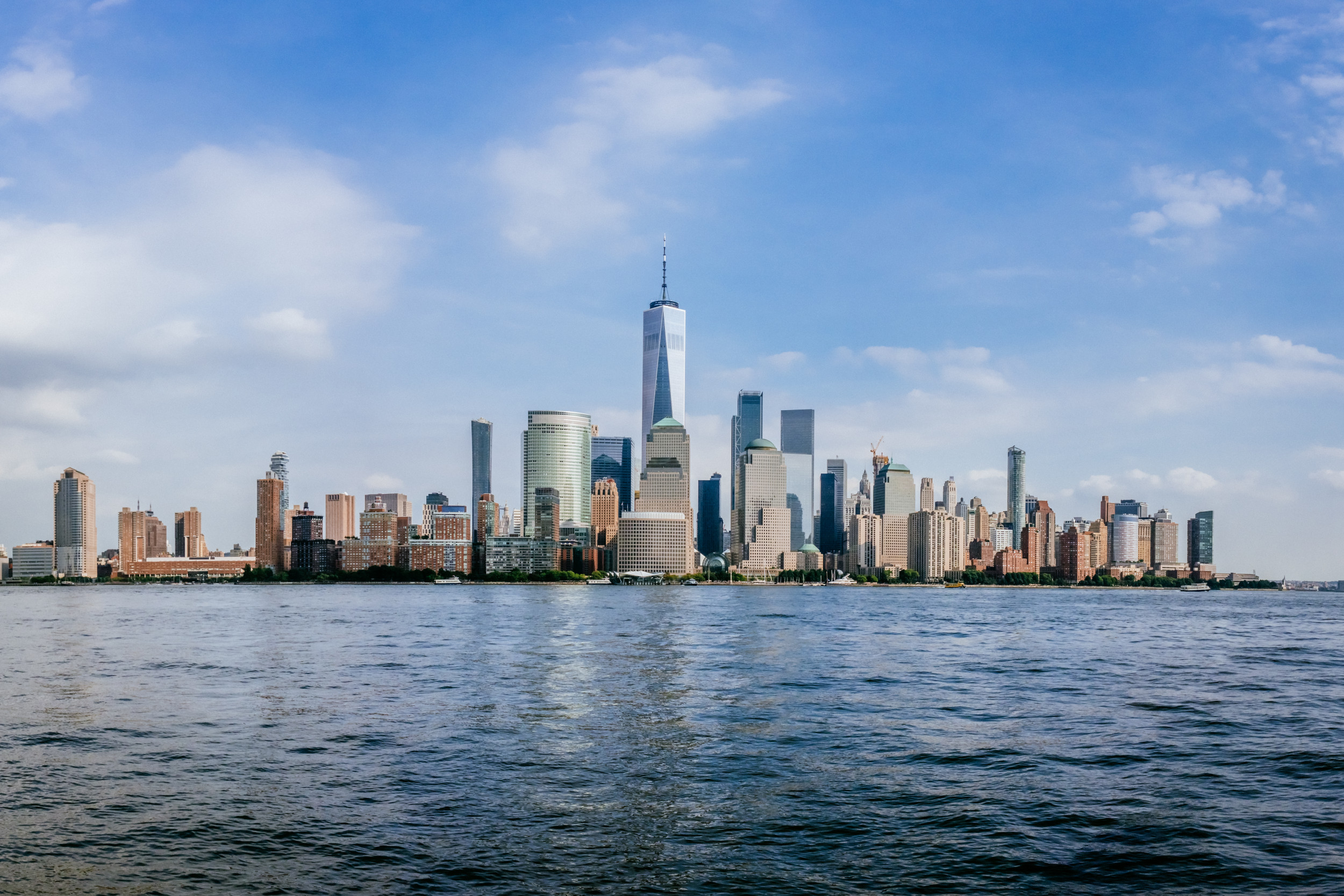
New York City's shoreline has undergone a dramatic transformation over the past two decades. Industrial relics that once handled heavy maritime freight now function as upscale residential hubs and sprawling public parks. Among these coastal transformations, NYC Pier 36 stands out as a prime example of adaptive reuse, blending modern residential luxury with inclusive public riverfront access. Located on the Lower East Side along the East River—rather than the Hudson River, a common misconception addressed here—this multi-use site bridges the gap between historical preservation and contemporary urban design.
Understanding the evolution of NYC Pier 36 requires looking past the glossy marketing brochures and examining how industrial maritime spaces are actually repurposed. From its roots as a working freight station to its modern status as a cultural and residential destination, the site offers a window into how modern cities balance private luxury with public infrastructure.
From Freight Hub to Modern Waterfront Anchor
The physical footprint of NYC Pier 36 carries deep historical roots tied to New York's shipping past. Originally constructed as a utilitarian pier designed for rail freight and cargo handling, the structure served the city's commercial backbone during an era when the East River was choked with barges and cargo ships.
Decades of containerization and shifts in maritime logistics left the pier abandoned and decaying. For years, the pier sat underutilized, functioning primarily as a municipal storage yard or a dormant asphalt expanse. The turning point arrived when city planners and private developers recognized the untapped potential of the East River waterfront. Rather than razing the site entirely, the master plan embraced adaptive reuse, incorporating industrial remnants into a multi-phase development scheme.
Architects preserved heavy steel trusses and structural pylons, pairing them with modern materials like floor-to-ceiling glass and sustainable composite panels. This preservation-first approach ensures that the pier retains an industrial anchor while serving contemporary needs.
Architectural Design and Sustainable Infrastructure
The modern incarnation of NYC Pier 36 spans substantial square footage, integrating mixed-use architecture that avoids the sterile feel of single-use developments.
Vertical integration dictates the layout. Lower levels interface directly with public promenades, while elevated structures house residential units and event spaces. Sustainable engineering forms the core of the infrastructure. Key eco-friendly implementations include:
- Stormwater management systems utilizing permeable pavers and bioswales to reduce runoff into the East River.
- High-efficiency LED lighting arrays designed to minimize light pollution while securing pedestrian walkways.
- Energy-saving HVAC systems and smart building controls that lower the carbon footprint of residential and commercial spaces.
These features align closely with municipal climate resilience mandates, ensuring the structure can withstand extreme weather events and rising tides.
Residential Real Estate and Amenities
Living along the water in Manhattan carries a specific price point and lifestyle expectation. Condominiums and living spaces at NYC Pier 36 cater to buyers seeking unobstructed river views and high-end finishes without sacrificing connectivity to the core of the city.
Interiors feature open-plan layouts, exposed structural elements salvaged from the original pier, and smart-home automation. Typical unit sizes range from cozy one-bedroom configurations to expansive penthouses featuring floor-to-ceiling glass exposure.
Residents gain access to a curated suite of wellness and leisure amenities. These include private rooftop terraces, a 75-foot indoor lap pool, fully equipped fitness centers with designated high-intensity interval training zones, and secure subterranean parking. The design philosophy emphasizes continuity between indoor living and the outdoor marine environment, allowing occupants to experience the river's daily rhythms directly from their doorsteps.
Public Access, Recreation, and Event Spaces
A frequent criticism of waterfront luxury developments is the privatization of public land. NYC Pier 36 counters this by dedicating substantial acreage to public access and community programming.
The site connects seamlessly to the broader East River Greenway, offering uninterrupted pedestrian and bicycle paths. Visitors can utilize open-air public plazas, recreational sports courts, and green spaces featuring native plantings designed to support local pollinators.
Furthermore, the pier functions as a major venue for public events, concerts, and cultural gatherings. The versatile indoor spaces and outdoor aprons routinely host art exhibitions, cultural festivals, and community markets, ensuring the pier remains a democratic gathering space rather than an exclusive enclave. You can explore upcoming public programming and facility details directly through the NYC Economic Development Corporation or read about broader coastal planning via the New York City Department of Parks & Recreation.
Common Misconceptions About NYC Pier 36
When researching the pier, visitors and prospective tenants often encounter conflicting information regarding its location, function, and access rules. Clearing up these points helps set accurate expectations.
- Location confusion: Many casual observers assume the pier sits on the Hudson River. In reality, it is situated on the East River along the Lower East Side, changing its orientation regarding sunset views and wind patterns.
- Access restrictions: While parts of the facility—such as residential towers and private event halls—require bookings or residency, the surrounding piers, esplanades, and specific open-air plazas are fully open to the general public.
- Event vs. Residential use: The pier is frequently booked for massive private galas, trade shows, and sports events. It's not purely a residential complex; its multi-use zoning means public event traffic fluctuates heavily depending on the season.
Frequently Asked Questions
Where is NYC Pier 36 located?
It is located along the East River on the Lower East Side of Manhattan, near the intersection of South Street and Rutgers Slip.
Is NYC Pier 36 open to the general public?
Yes, the surrounding waterfront esplanades, greenways, and designated public plazas are open to all visitors. Certain private indoor venues and residential zones require authorization or tickets for entry.
How do I get to the pier using public transit?
The area is accessible via local bus routes and nearby subway stations, including the F, J, M, and Z trains stopping at East Broadway or Delancey/Essex streets, followed by a short walk toward the river.
Can NYC Pier 36 be rented for private events?
Yes, the large indoor floor spaces and open-air areas are frequently rented out for corporate functions, fashion shows, concerts, and private celebrations.


