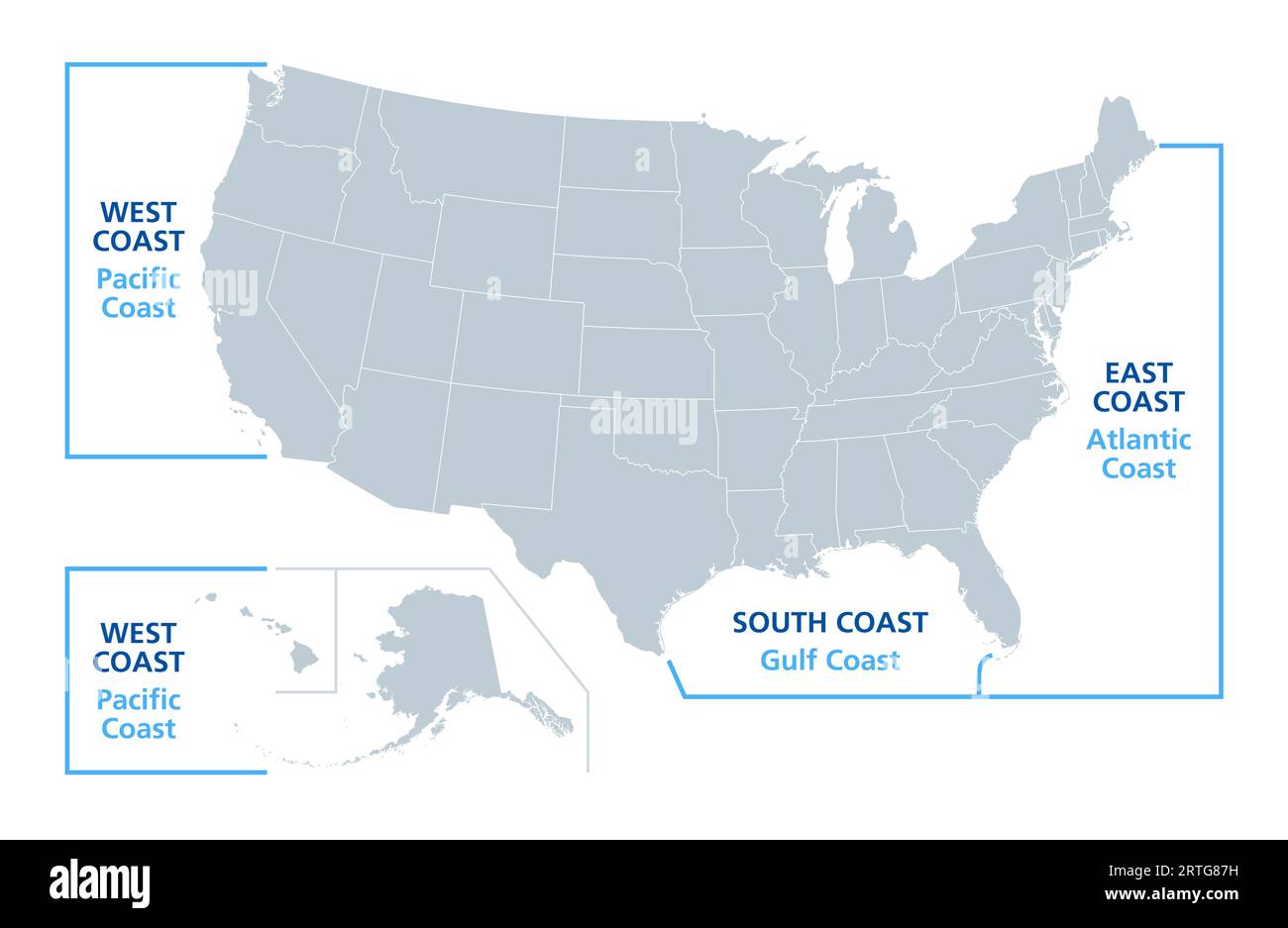
Choosing where to live on the East Coast often boils down to a high-stakes triangle: New York City, Philadelphia, and Washington, D.C. While these metropolitan areas sit within a few hours of each other on the Amtrak Northeast Corridor, they offer completely different daily rhythms, housing markets, and professional ecosystems. Picking the right one depends heavily on your budget, your career trajectory, and your tolerance for urban chaos.
If you want absolute maximum career velocity, round-the-clock public transit, and unmatched cultural variety, New York City is the logical choice, provided you can stomach the high cost of living. If you love historic row homes, a vibrant arts community, and a slightly lower cost of living without sacrificing big-city amenities, Philadelphia serves as a practical sweet spot. If your career touches policy, federal contracting, international affairs, or defense, Washington, D.C. provides a planned, monument-filled environment with strong green spaces.
New York City: The High-Stakes Powerhouse
New York City operates on an intensity level that you won't find anywhere else in the United States. It's a dense web of five distinct boroughs, each functioning like its own major city.
Professional Ecosystem and Economy
The local economy is massive and diverse, anchored by finance, media, fashion, tech, advertising, and healthcare. If you're looking to scale the corporate ladder quickly or pivot industries, the sheer density of companies makes it possible. Networking happens naturally at industry panels, art openings, or even casual neighborhood coffee shops.
Housing Realities and Daily Life
Finding an apartment in NYC is notoriously competitive. You're trading square footage for location. Most residents live in apartments that require compromises, such as walk-ups, tiny kitchens, or shared laundry rooms in the basement.
- Transportation: The subway runs twenty-four hours a day, meaning you don't need a car. In fact, owning a car in Manhattan or inner Brooklyn is an expensive liability due to parking fees and alternate-side regulations.
- Pace: The social and professional atmosphere is fast, demanding, and direct. Burnout is common if you don't carve out strict personal boundaries.
Philadelphia: The Gritty, Accessible Alternative
Philadelphia offers a rich historical backdrop and a distinct neighborhood culture, often acting as a pressure valve for professionals priced out of New York and Boston.
Cost and Neighborhood Structure
Philly is significantly more affordable than its northern neighbor. You can rent a spacious multi-room apartment or even buy a historic brick row home in neighborhoods like Fishtown, Passyunk Square, or West Philadelphia for a fraction of Manhattan prices.
- Culture and Food: The culinary scene punches well above its weight, extending far beyond cheesesteaks into world-class BYOB restaurants, bakeries, and gastropubs.
- Pace: The local vibe is more grounded and neighborhood-centric. Locals are famously straightforward, and community ties run deep.
Career Limitations
While healthcare, higher education, biotechnology, and hospitality thrive here, the economy isn't as hyper-diversified as New York's. If you work in niche corporate sectors, you might find fewer local headquarters or face slower wage growth.
Washington, D.C.: The Beltway and Beyond
Washington, D.C. is a unique hybrid: a powerful global political capital blended with the feel of a collection of distinct quadrant neighborhoods.
Professional and Economic Landscape
The job market revolves around government agencies, defense contractors, lobbying firms, non-profits, international think tanks, and tech sectors tied to federal cybersecurity. If you hold or can obtain a federal security clearance, your career prospects multiply significantly.
Urban Design and Green Space
Unlike the jagged, sprawling grids of older northeastern hubs, D.C. was master-planned. Building height limits give the city an open, airy feel where the sky remains visible.
- Outdoor Access: Rock Creek Park cuts right through the city, offering miles of dense forest trails for running and biking that rival any national park experience.
- Culture: Smithsonian museums line the National Mall and offer free admission year-round, giving residents endless weekend activities.
Direct Comparison: Key Decision Factors
When evaluating where to set down roots, look closely at how these three cities handle the metrics that impact daily life.
Housing Affordability Matrix
- NYC: Highest rent-to-income ratio in the country; older housing stock; broker fees are common.
- Philly: Highly accessible market; realistic chance of renting or buying a multi-story home on a moderate salary.
- DC: Moderately high housing costs, particularly in gentrified quadrants or close-in Maryland and Virginia suburbs, but apartments tend to be newer and feature better amenities.
Transit and Commuting
- NYC: The most comprehensive transit grid; walking and subways dominate; cars are unnecessary.
- Philly: Compact and walkable core, supported by SEPTA subways, trolleys, and regional rail, though outer neighborhoods benefit from car ownership.
- DC: The Metrorail system is clean, safe, and efficient for downtown commutes, though certain residential pockets require reliance on buses or cars.
Common Relocation Mistakes to Avoid
Moving to the East Coast requires careful planning. Watch out for these pitfalls:
- Underestimating regional taxes: Cities like NYC and Philadelphia levy local income or wage taxes in addition to state and federal withholding. Factor these into your net take-home pay calculations before signing a lease.
- Assuming you need a car in NYC: Trying to keep a vehicle in the city introduces massive monthly garage fees and constant stress over street sweeping rules. Try living car-free for your first six months.
- Ignoring the humidity: East Coast summers bring intense humidity, especially in Washington, D.C. Ensure your prospective apartment has reliable air conditioning units or central HVAC.
Frequently Asked Questions
Which city has the lowest overall cost of living?
Philadelphia is by far the most budget-friendly option among the three. Rent, dining out, and entertainment costs sit well below the regional averages found in New York and Washington, D.C.
Can I live comfortably in these cities without a car?
Yes. New York City, Philadelphia, and Washington, D.C. feature robust public transit infrastructures. You can easily navigate daily life, grocery shopping, and commuting via subways, buses, and trains without ever buying a vehicle.
How does the job market differ between D.C. and NYC?
New York specializes in private sector industries like finance, media, fashion, and corporate tech. Washington, D.C. centers its economy around public policy, federal agencies, defense contracting, legal fields, and non-profit organizations.
Which city is best for outdoor enthusiasts?
Washington, D.C. takes a slight lead here due to its expansive urban parks like Rock Creek Park and quick access to the Blue Ridge Mountains and Chesapeake Bay for weekend trips.